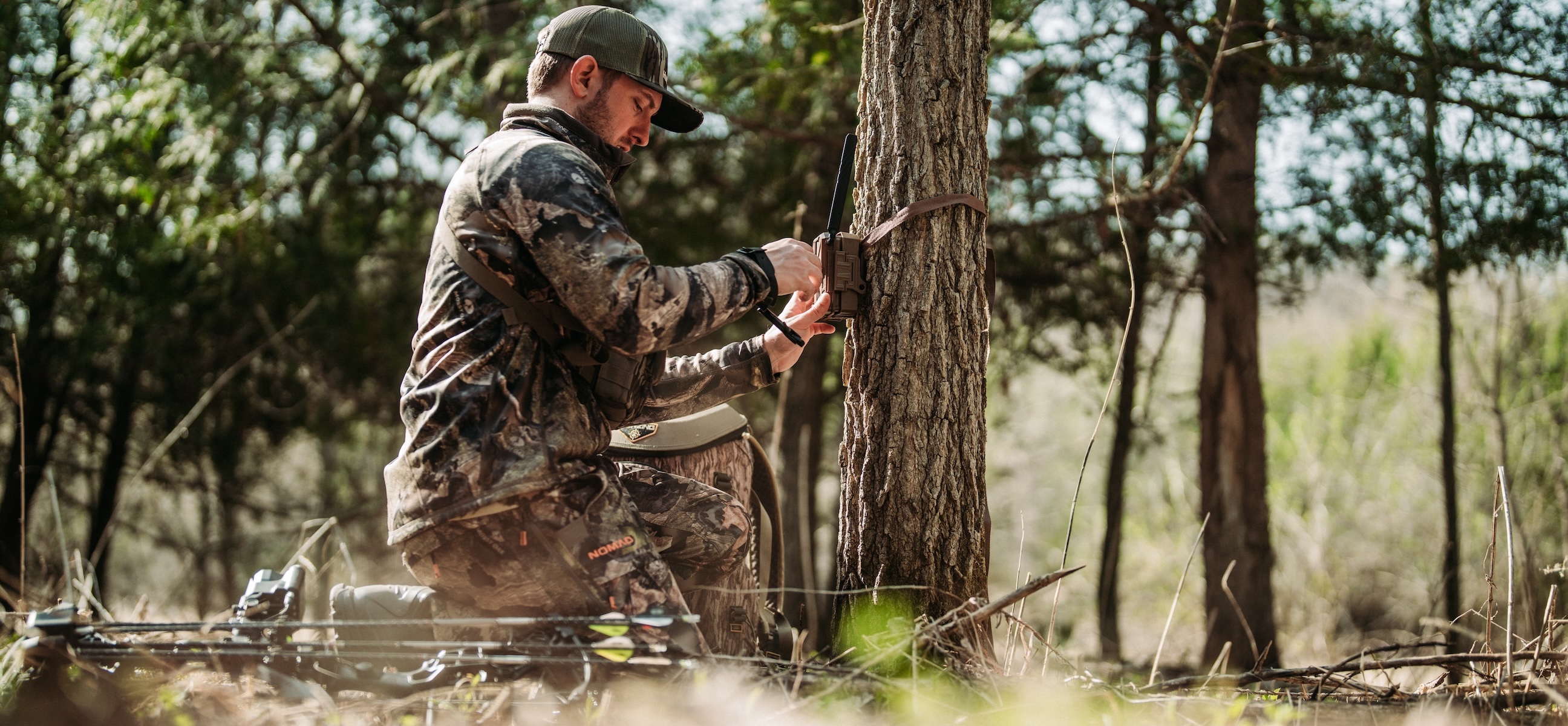





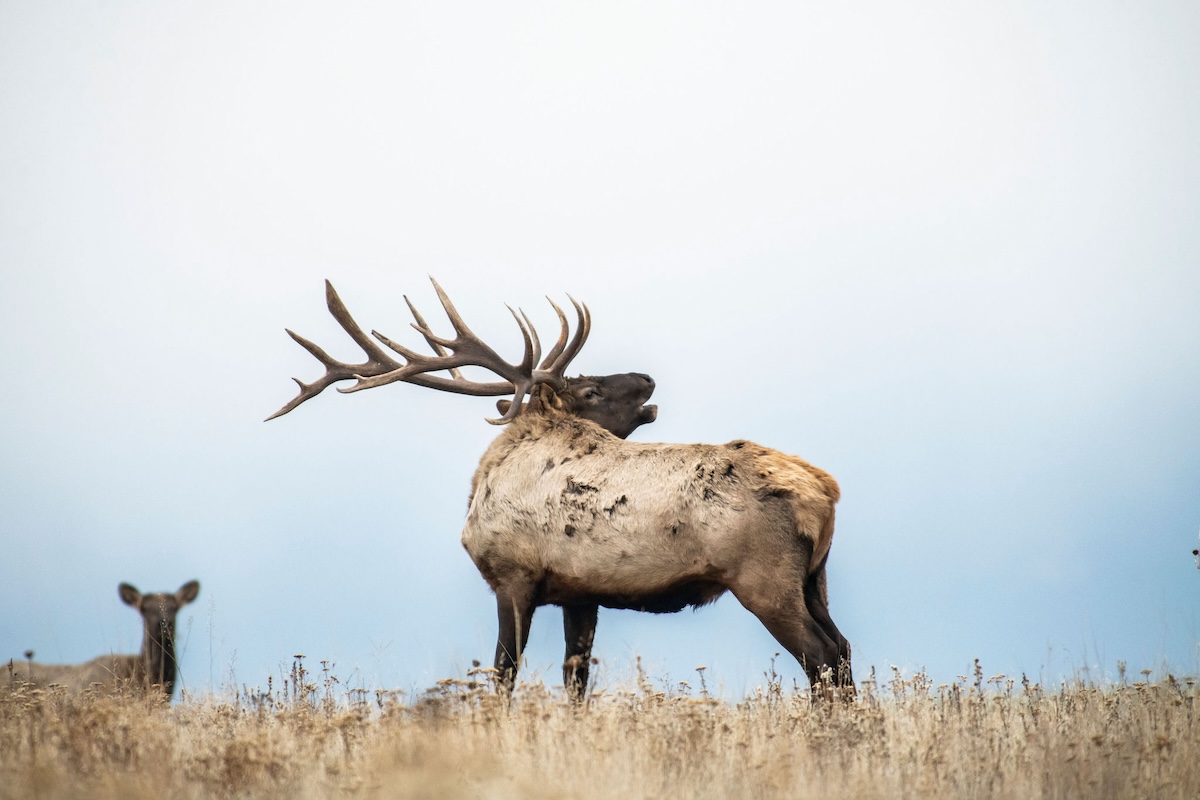

That big game adventure is within reach. Keep preparing. Be ready.
In Part One of this two-part feature on preparing for a western DIY dream hunt, I talked about some of the steps for choosing the right area and species, and even delved into some advice on hunting partners, fitness, and helpful online scouting using HuntStand.
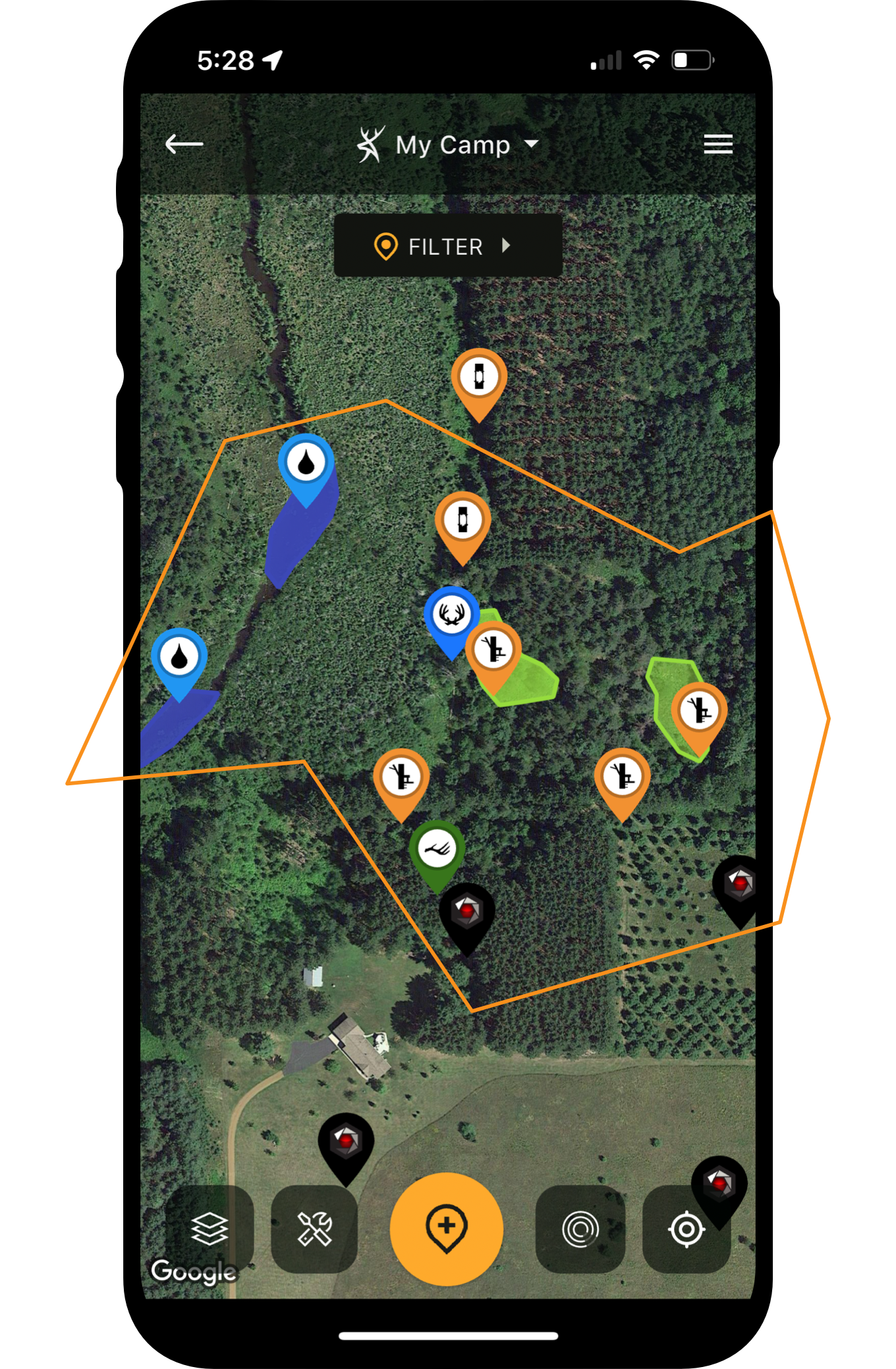
I consider the topics covered in Part One the “hard stuff.” If you completed and/or considered all of it, congratulations. Now all that’s left is what I consider the most-enjoyable aspects of hunt prep: Fine-tuning and otherwise assembling gear, practicing regularly with your bow, and continuing to stare at hunt-area maps using HuntStand (late into the evenings). Goals are to go over hunt areas with a proverbial fine-tooth comb, looking for areas that might lead to success, and generally, dreaming of encounters with big bucks and bulls.
How to Prepare for a DIY Western Dream Hunt [Part I]
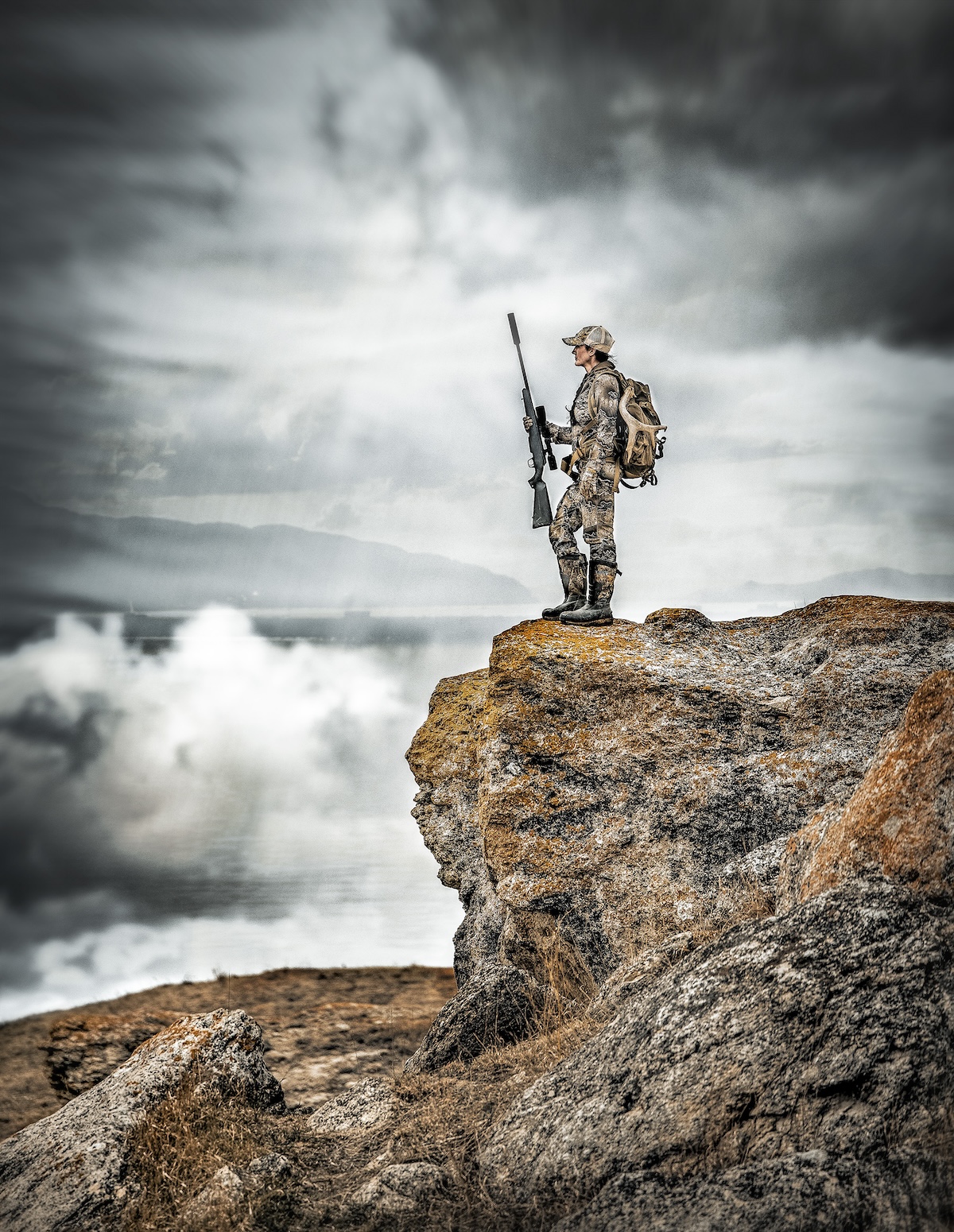
Consider your gear well before the hunt.
1. Think About Gear
With your hunt area figured out, assemble and fine-tune your gear. This does not mean you need to go out and buy all new equipment merely because you are going on a DIY western dream hunt, but at a minimum, you should go through your gear and ensure each item is up for the task at hand. Put simply, all your gear choices should only help, and not in any way hinder, your chances for success.
With the exception of your choices in boots, bow or rifle, none of it will really “make or break” your hunt, but a wrong choice at most any level can definitely make things miserable, and lower your odds for success. To my way of thinking, DIY hunting is rough enough without any piece of gear working against you. Do your gear research well, buy quality stuff, and it should serve you well and last a long time.
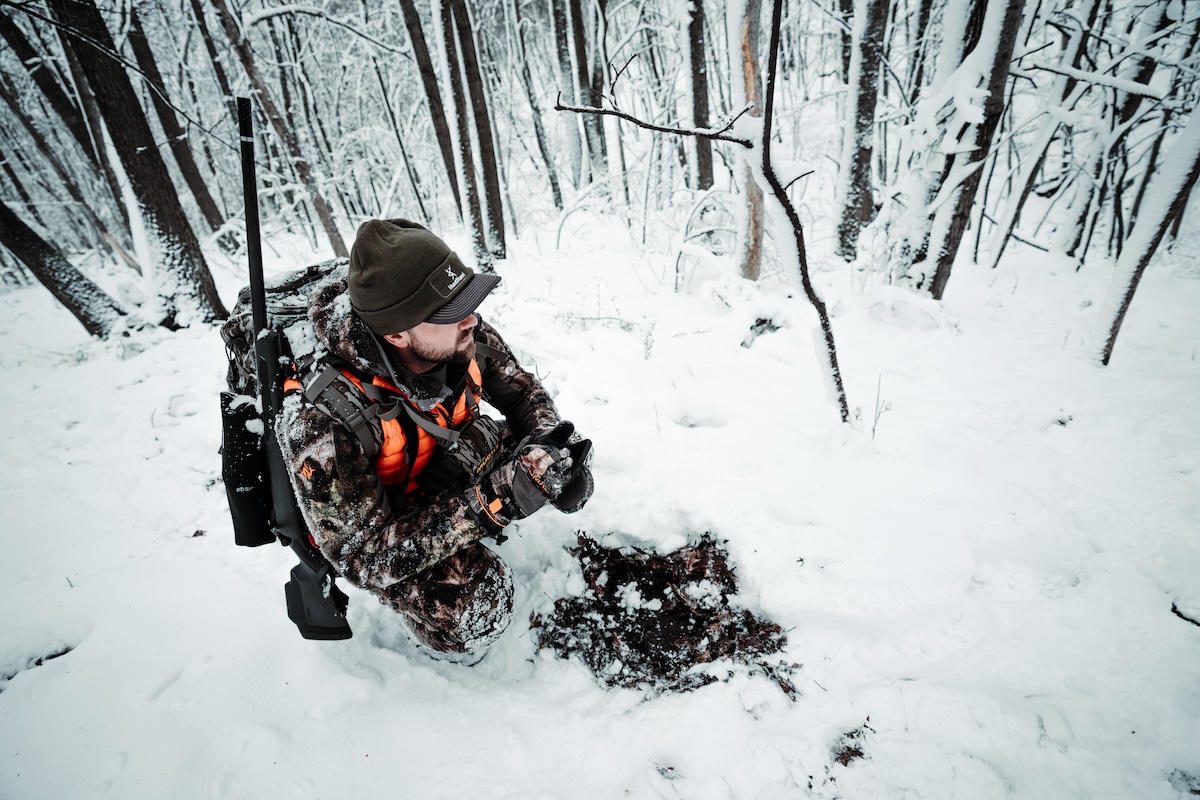
Select clothing wisely.
2. Choose Clothing with Care
Being properly outfitted for the hunt not only adds to your comfort while afield but also ensures you are protected from the elements. Your choices can be critical when looking to avoid hunt-ending disasters, such as heat stroke or hypothermia. For me, heading into the remote areas of Northern British Columbia, I know my apparel choices can mean the difference between life and death. Backcountry hunting in late August and September in areas such as those found in BC not only feature huge roadless expanses that can require days of hiking to get out — you can also experience weather ranging from upward of 100 degrees, to snowy blizzards.
Widely changing high-country weather is why “layering” is so important. I depend on merino wool or synthetic base layers, as well as lightweight synthetic soft shells, lightweight and easily compactible down-insulated layers, as well as a dependably waterproof outer shell. All play critical roles throughout a typical hunt. There are lots of solid clothing options for the western hunter.
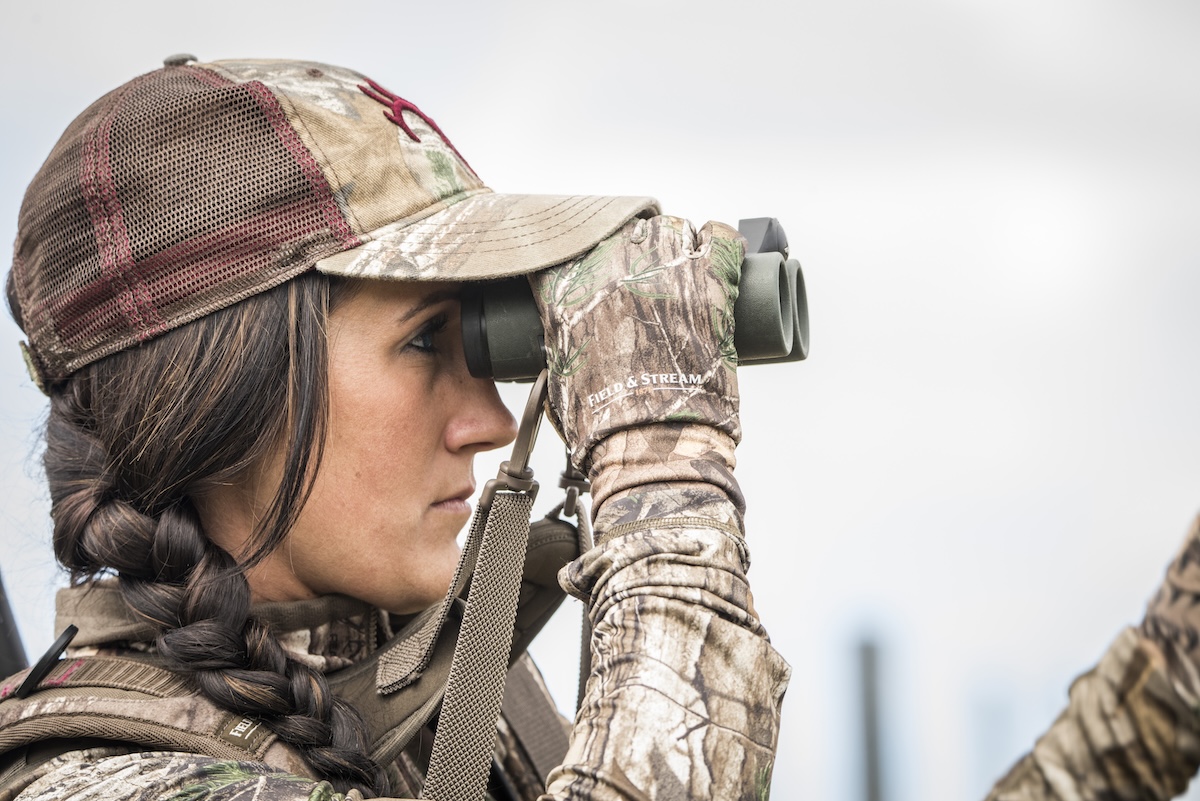
Carry a good set of optics.
3. Choose Optics Wisely
Whether you’re out on the prairie fighting heat waves, or perched high on a mountain ridge with broad panoramic views, success is next to impossible if you can’t locate your quarry. This is why choosing quality optics is so important.
For western-friendly binoculars, I recommend a minimum of 10 power; they offer “extra reach” you will appreciate, and allow you to maintain a nice steady field of view while being hand-held. For spotting scopes, I like a 20‐60 power. If you’re looking to shave some weight, you can resort to a lighter fixed power model, but for my needs, and especially for hunting out west, I like the versatility of a strong variable-power model. I also consider a quality rangefinder a smart addition. Although not required, for me, a compact, lightweight rangefinder removes one more element of potential shooting error, especially in uneven terrain.
Bowhunting Antelope: Tips for Getting Started
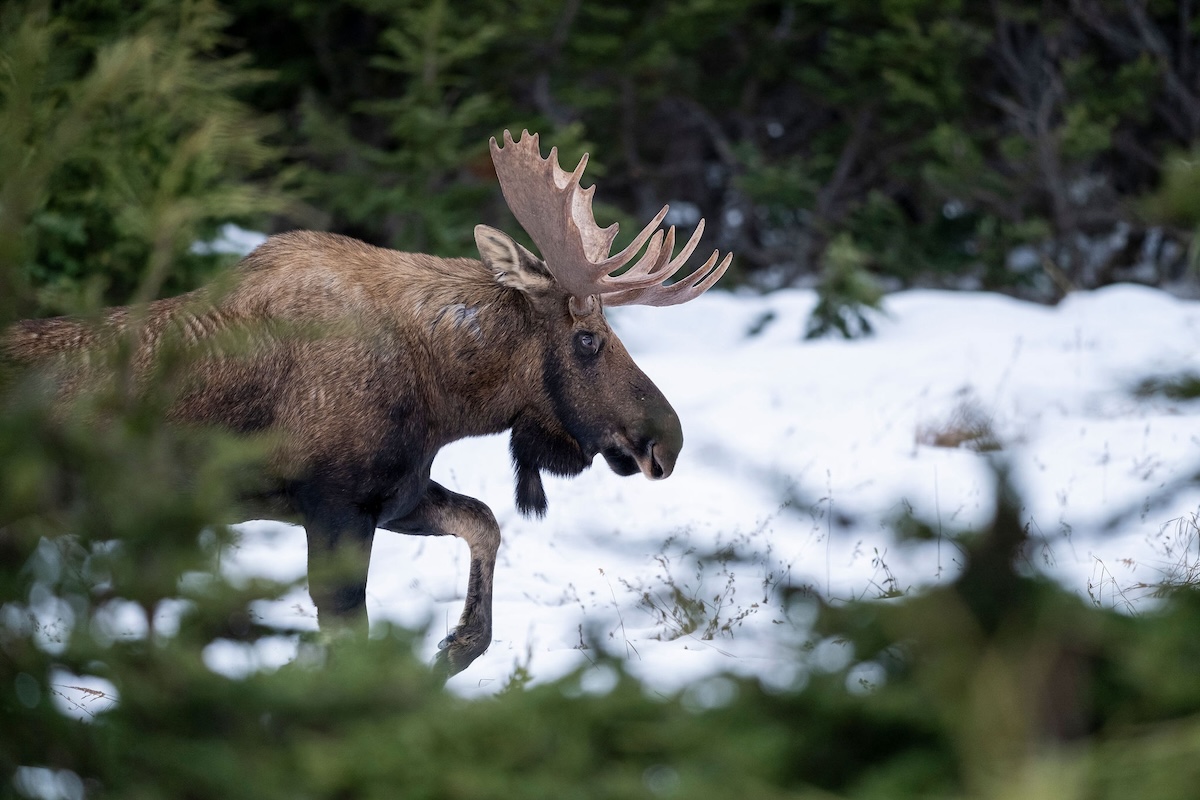
Bring enough gun (or bow) for your target animal(s).
4. Bring Enough Weapon
Depending on which DIY hunt you’ve decided to embark on, you need to ensure your setup is up for the task. If you’ve always been a treestand deer hunter — using something along the lines of a .243 rifle, or maybe a 50-pound bow — you’ll benefit from switching to a heavier, more-powerful rig. As a general rule, I try to use a caliber or bow that is more than capable of taking down any species in the area – especially on a “mixed-bag” trip, or where there is a chance of encountering large predators. This is why I pack a 70-pound bow on my remote BC trip, and my hunting partner totes a .338 Win. Mag.
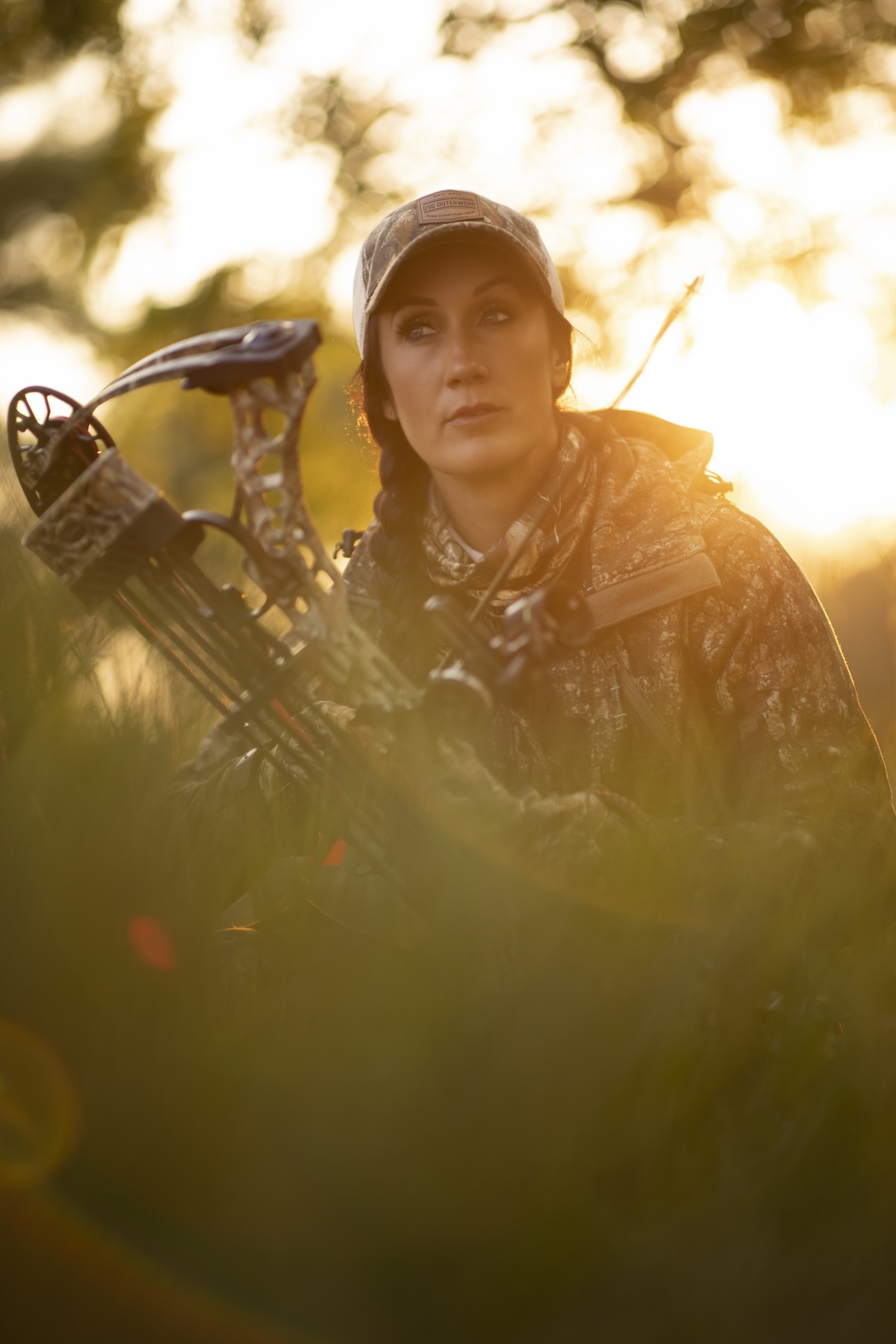
Don't skimp on your arrow and broadhead setup.
5. Carry Quality Ammo/Arrows
You could have the best bow or gun there is, but without the proper arrows or ammunition, you’re asking for less-than-perfect results. For bowhunters, I recommend a heavy, deep-penetrating arrow with a proven broadhead. For rifle hunters, make sure the load of choice is proven for your rifle – not just a random box of “discount” bullets purchased off the counter on your way to the hunt. Important keys to success are precision and consistency — which is why I choose to build all of my own arrows, and load my own ammunition.
Wear good boots.
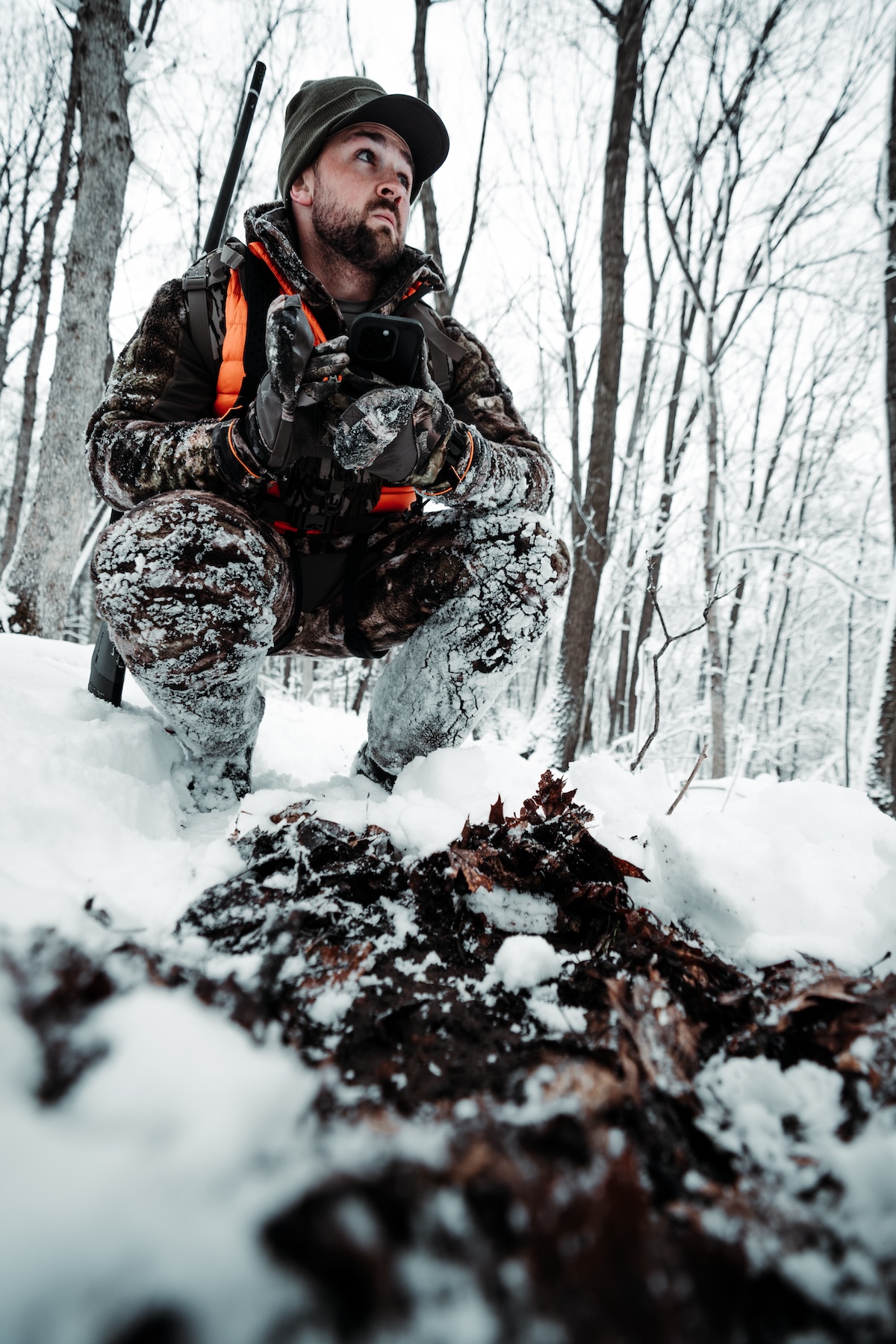
6. Buy Extreme Boots
Effectively hunting the west starts and ends with your footwear. If your boots fail, it does not matter how good of shape you’re in, how good a hunter you are, how well you know the area, or even how far you are able to shoot. Boot failure means your hunt is over. Hunting near civilization, you have the ability to make a “detour” to buy a second pair of boots to “save” a long-awaited hunt. Remote BC, for example, offers no such fail-safe. It’s days from the nearest road, and so, boot choice is critical.
Spring Bear Hunting: How to Hunt Trophy-Class Black Bears
Carry specialty gear as needed.
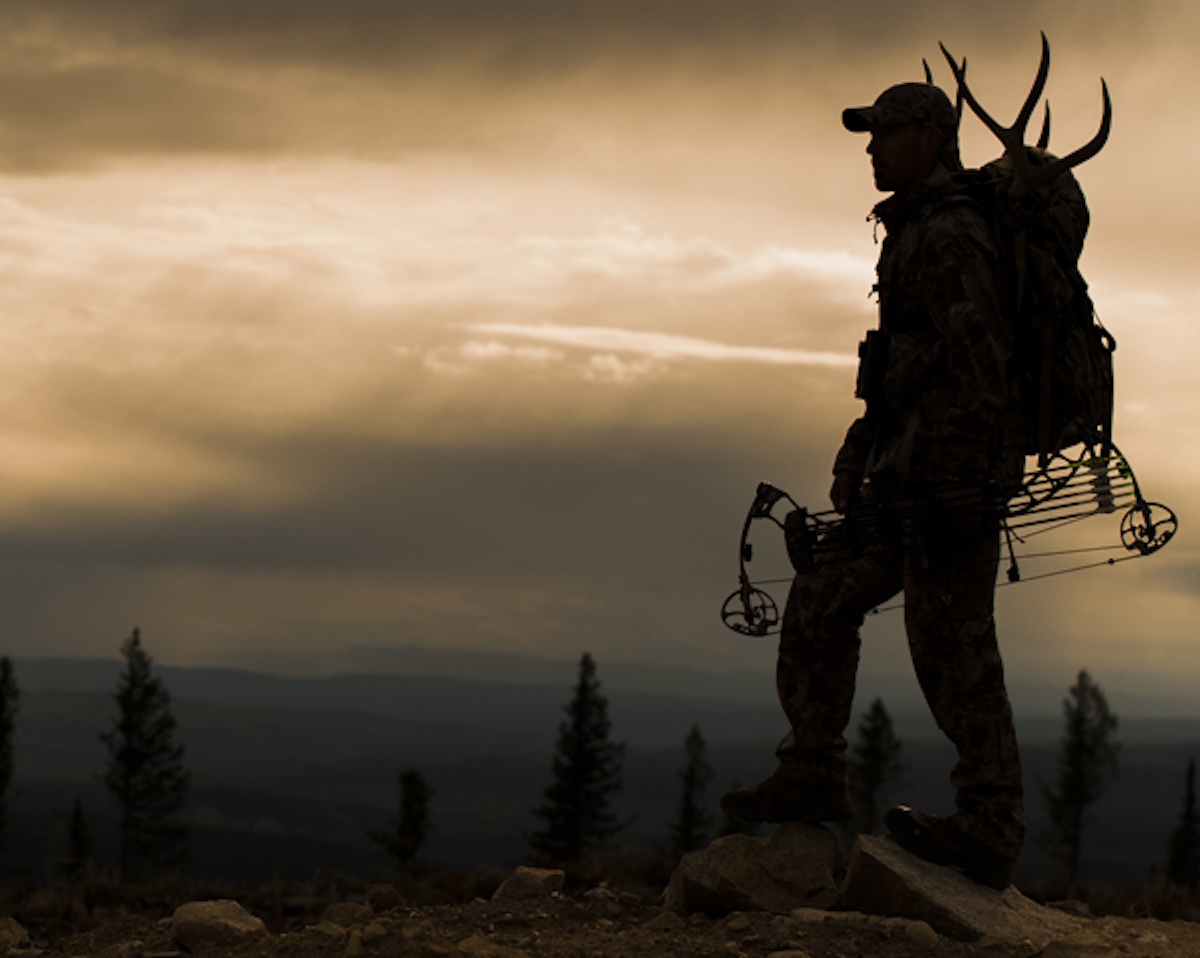
7. Remember Specialty Gear
Whether you’re filming or photographing your hunt, or planning on using devices like your phone (for accessing HuntStand), utilizing modern technology is a common part of hunting. And sadly, whether it’s a headlamp, phone, satellite messenger, or camera batteries, gear has a way of dying when you need it most. Since I document my adventures, I pack in a lightweight, compact Goal Zero solar panel and charging system. Not only does this allow me to keep my camera gear charged and ready to go, it should ensure operation, and give piece of mind, with some other key pieces of emergency gear (such as a satellite phone).
Practicing scenarios with your gear will keep you ready for when it's actually time to hunt.
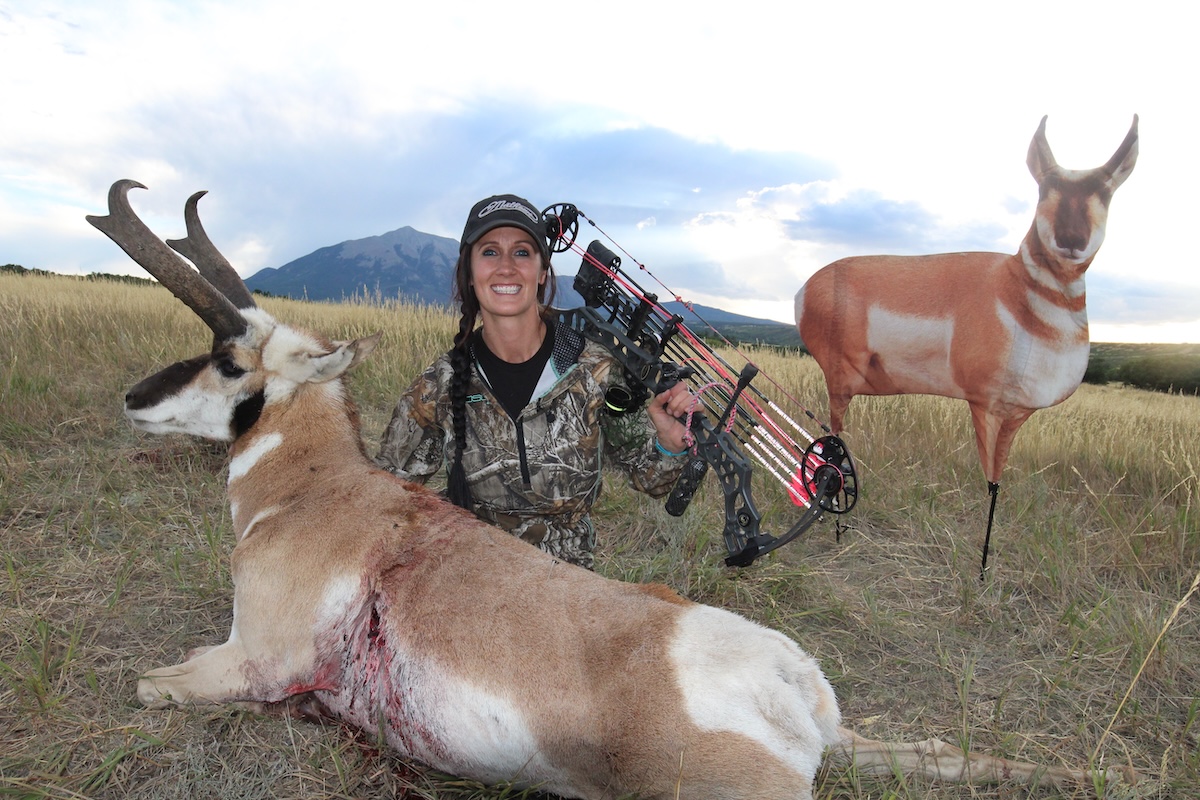
8. Do Some Mock “Practice” Runs
Purchasing all the best gear for your trip which you’ve read rave reviews about online, does not automatically make your arsenal “good to go.” No matter the manufacturer or its reputation, there are times when a specific piece of gear just does not hold up, or work the way that it was intended. This is why you should “hit the hills” well before your fall adventure, and make every effort to use and learn your chosen gear. This should allow any major gear issues to surface (and be rectified) well before your hunt.
Make a “field-testing” trip fun and productive by combining it with some physical preparation as well. For example, carry a fully-loaded pack and use the same boots and other clothing. Small game hunting is one of my favorite ways to test gear. I like to load up my pack with weight, grab all my optics, and hit the hills.
Make sure you have everything in place and ready for the hunt.
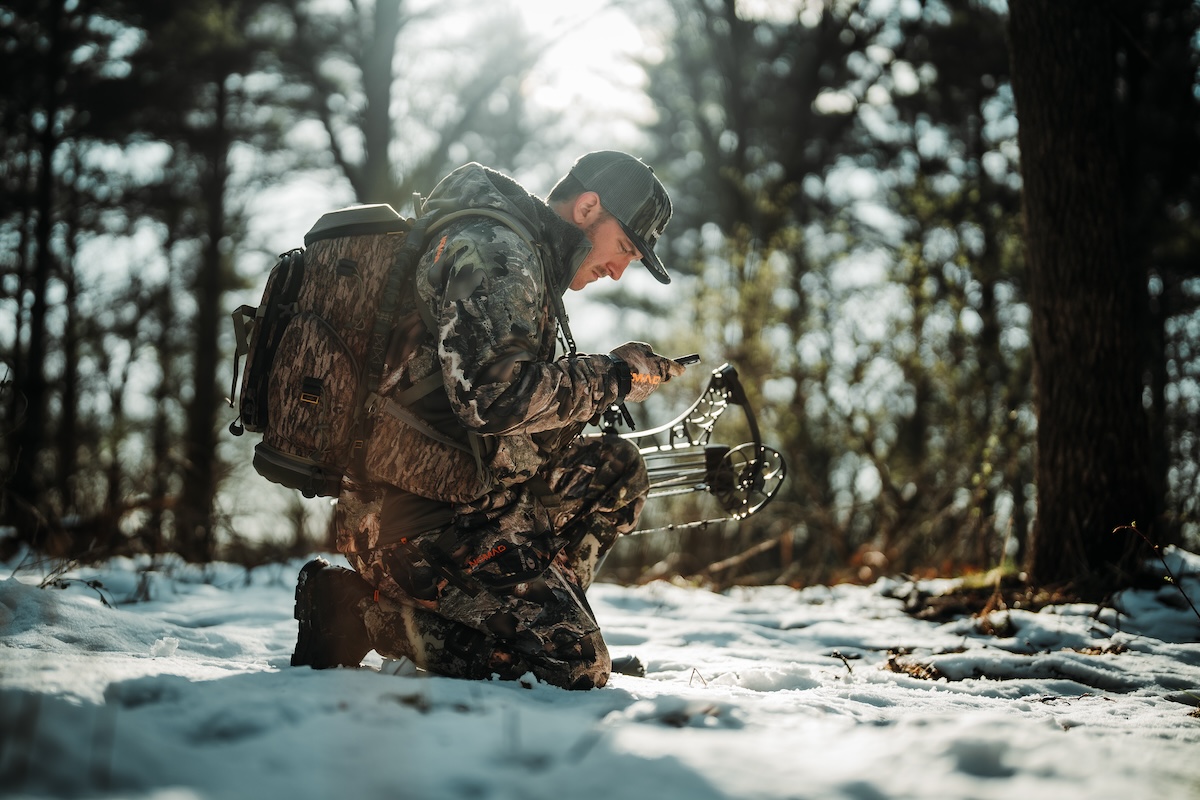
9. Square Away All Licenses, Tags, Documents, and Logistics
Final hunt preparations include obtaining all required tags and licenses well ahead of time, and of course, myriad other logistical travel and other seemingly small details. These can loom big, if unresolved.
Finally, remember one last important step – not to get complacent or lose motivation. This means committing to regular practice at the range, as well as staying on top of your fitness, and not “giving in” and resorting to the couch or a fast-food diet.
As part of my BC mixed-bag hunt routine, I’ve committed to shooting each and every day, as well as running a daily 5km (at a minimum). These are two big goals, but so far, so good.
Public Land Elk Hunting: A Guidebook to Reality
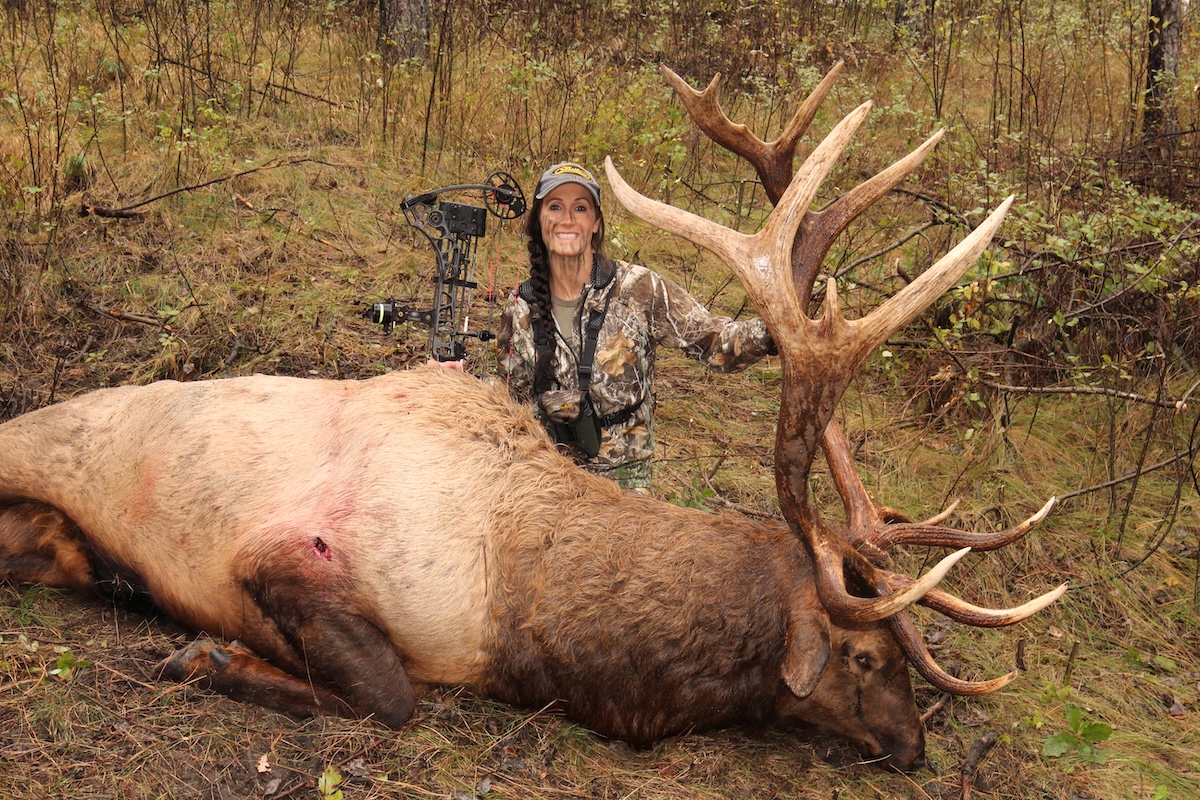
Once in the field, deploy your game plan and bring down that beast.
Set Smart Goals and Stick to Them
These two articles should have given you a solid platform for planning your next western, DIY hunt. Hopefully, this will be the year that your DIY western dream hunt becomes a reality, and that you enjoy every part of the process. I know that my upcoming BC hunt will be a success, regardless of the outcome.