




A thorough review of your hunting property can tell you if you need more food plots or sanctuary.
When your smartphone displays the legal end of shooting light on the last day of the late season, don’t think of it as the end of a long season. Think of it as the beginning of the next season. Winter scouting provides many benefits not found with the summer months of traditional scouting. After you recharge, catch up on family, tend to career duties, it’s time to plan a winter scouting strategy to jumpstart the next season. Here are post-season scouting tips for deer.

Optics can help you glass from afar to avoid disturbing winter deer.
Take a Physical Inventory
Winter scouting offers many benefits, but at the top of the list is an inventory of what bucks made it through the season. As hunting pressure fizzles, whitetails slowly normalize patterns and appearances. Deer start to feel the missing presence of hunters ghosting throughout their homelands. That confidence boost and a need to feed longer, prompt deer to expose themselves during daylight.
This movement coincides with the time of year when woodlands provide the best viewing opportunities. Most leaves have fallen, and in northern latitudes, snow blankets the ground to create a backdrop of white that highlights dark objects, like deer.
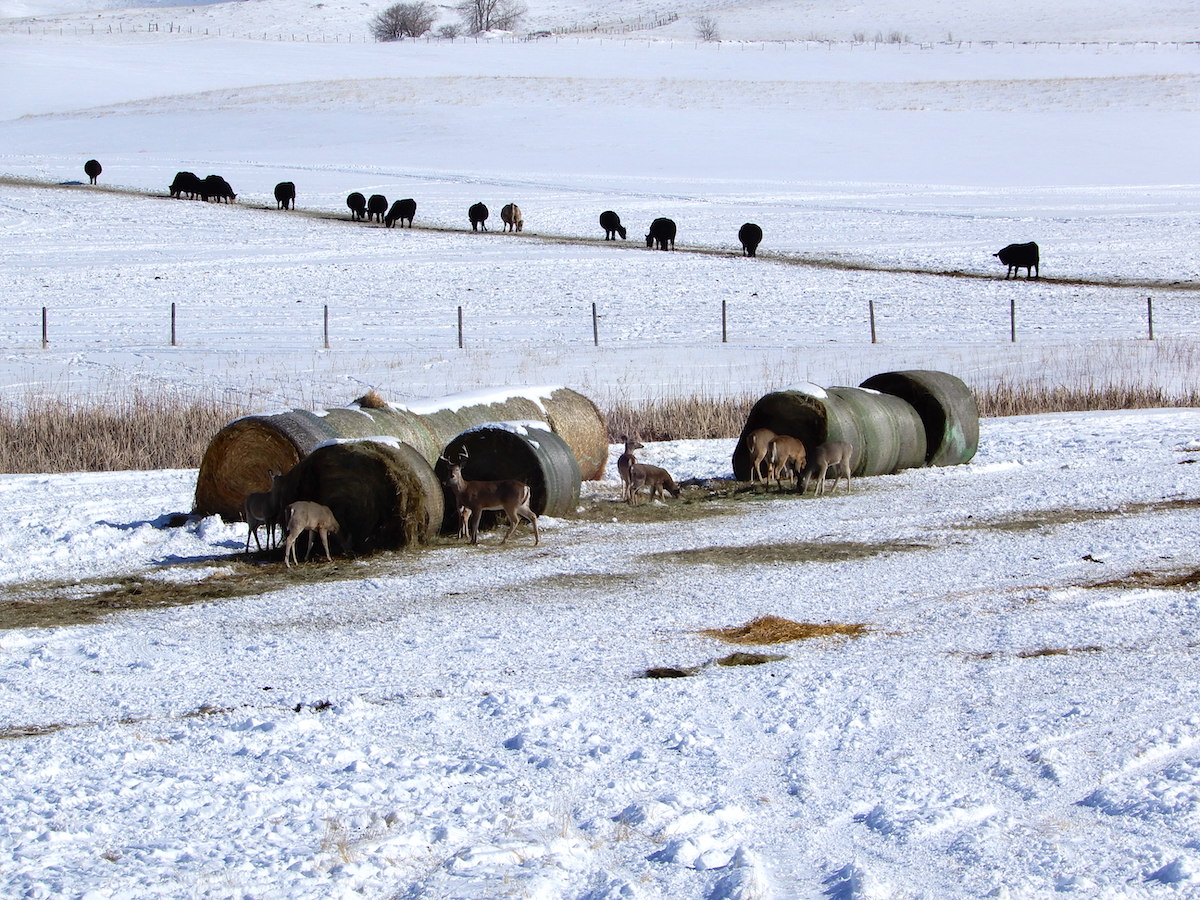
Habitat quality matters, especially during the late season. Deer moving off your property to feed on the neighbor’s is a major clue.
Without question, most whitetail enthusiasts hope to discover what bucks made it through the season. Not only does this benefit your preseason hit list, but it gives you a head start on shed antler hunting. Knowing where bucks bed and what foods they congregate on directly leads you to the areas most likely to hold their shed antlers in the coming weeks.
As you get glossy eyed over antler visions, don’t forget to do an inventory of the overall herd in an area. Does and fawns equal recruitment. Healthy, adult does typically have twin fawns. In addition to counting the actual deer on fields, you can begin to do the math on what lies ahead for your deer herd via fawns, barring a winter storm or unseen disease outbreak.
How to Find Deer with Topo Maps
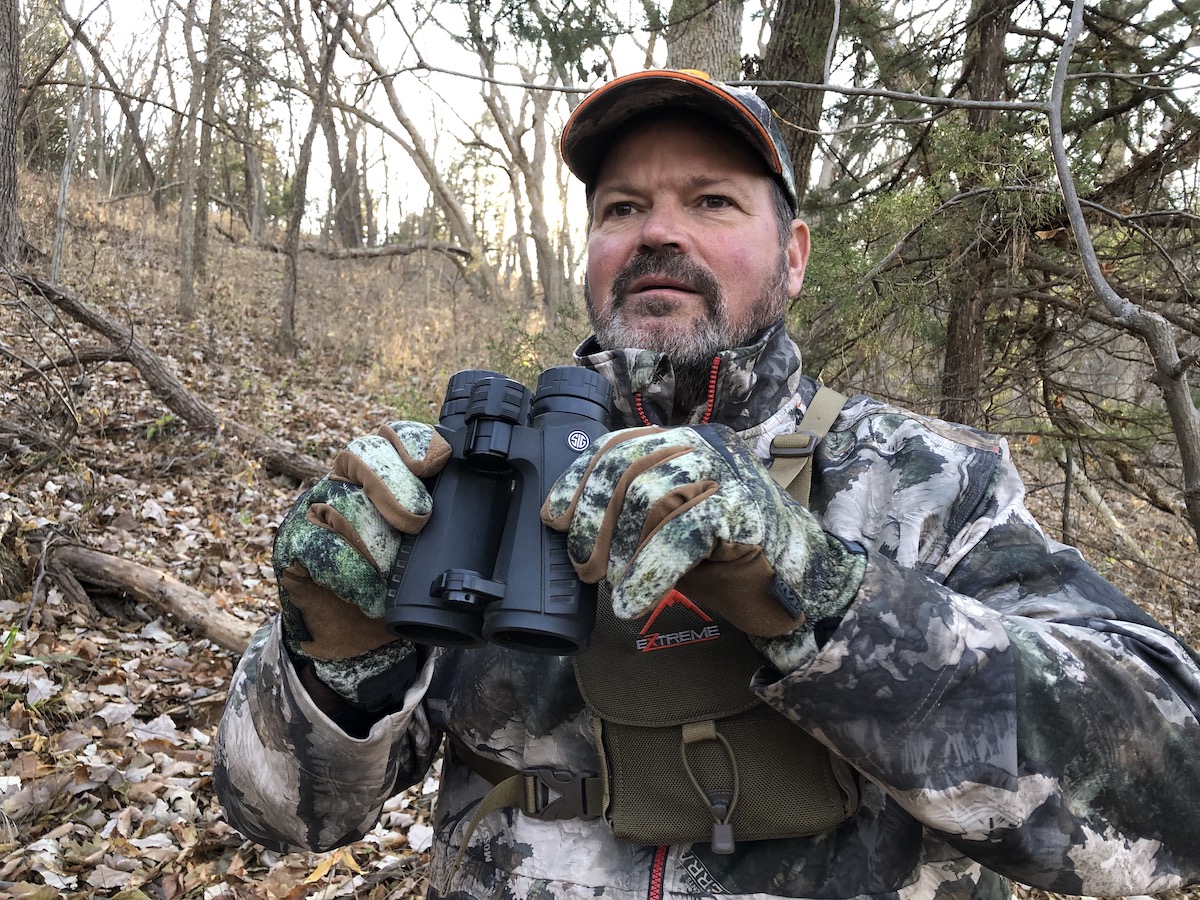
Optics can help you glass from afar to avoid disturbing winter deer.
Continue in Stealth Mode
If you hope to boost confidence in your deer herd comfort zone, continue in stealth mode. It might appear that deer have forgotten the weeks of hunting pressure, but one wrong intrusion could transform a mature buck back into a nocturnal fanatic.
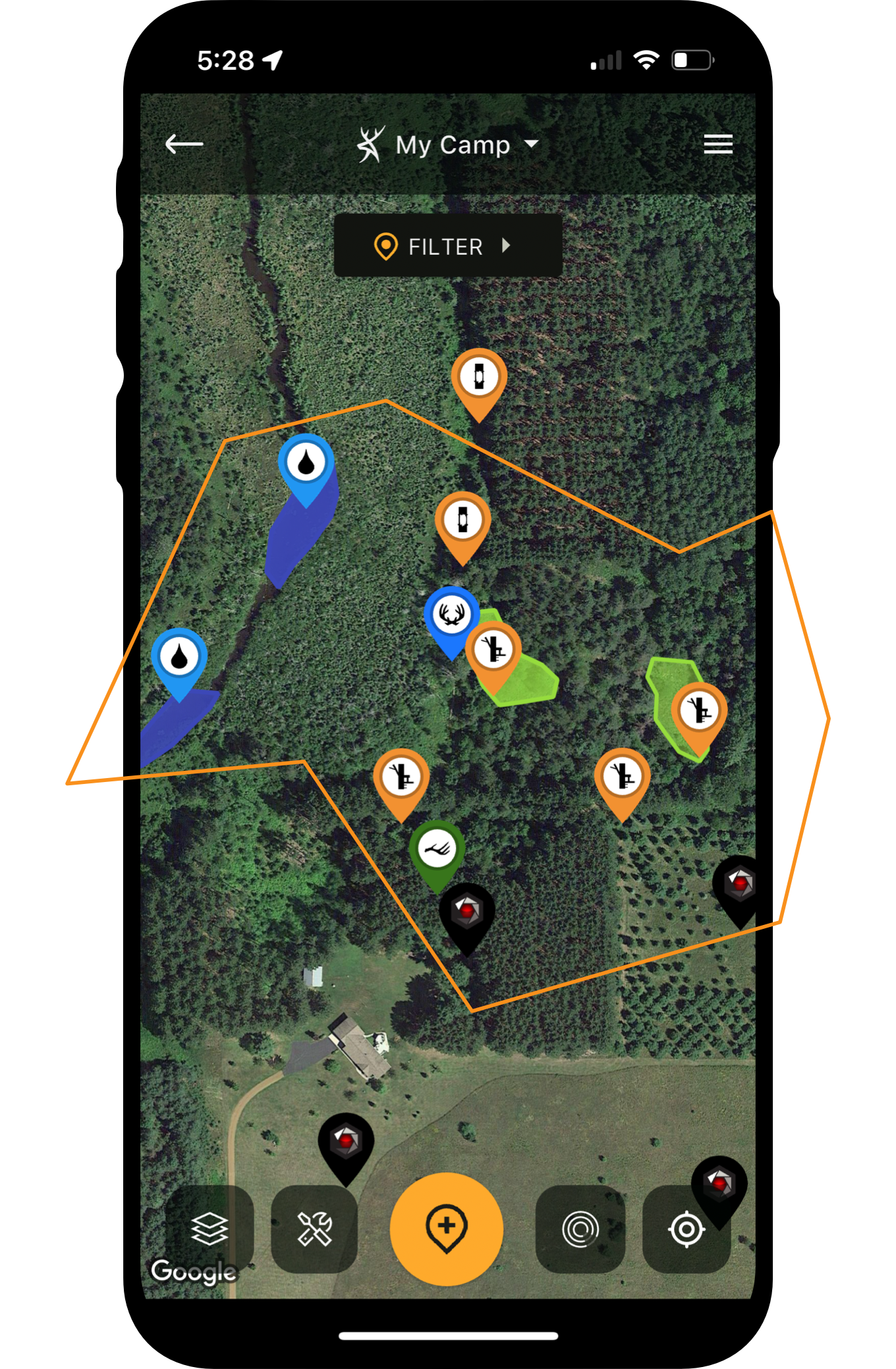
Plan your entrances and exits with care as you observe and perform winter chores, including when changing batteries on trail cameras or filling feeders. Using HuntStand to map routes in — possibly a new one based on changing feed patterns — helps maintain a stealthy presence. The 3D and Hybrid layers offer some of the best ways to view a property.
Regardless, for the utmost concealment, use a long-range approach. Stick to roads and trails on the perimeter of a property and put your binocular to use. A good spotting scope also allows you to reach out from a nonthreatening position to monitor deer.

The all-new Muddy Maneuver Cellular Trail Camera offers aid in scouting winter deer without disturbing them.
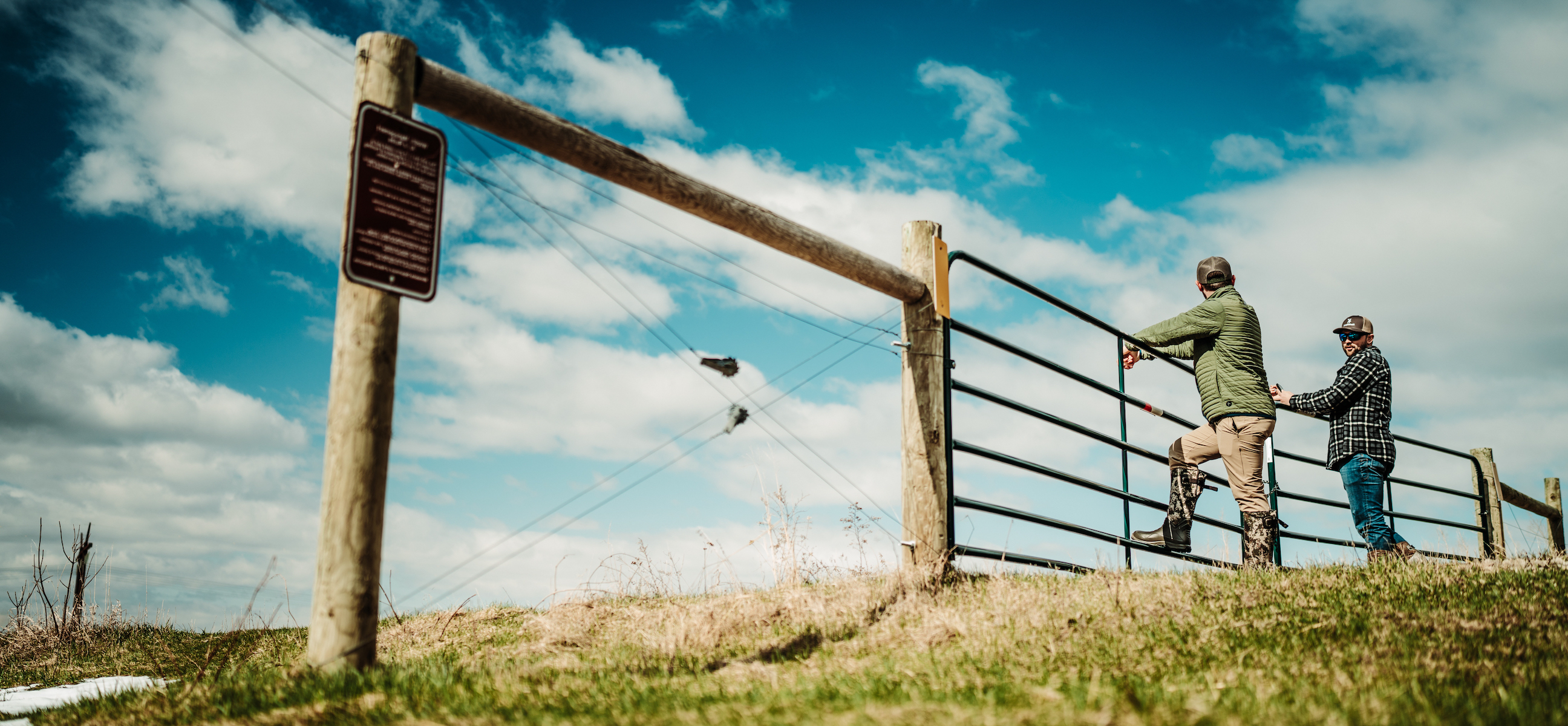
All properties do not provide the best viewing platforms, though. You might need to hike to an elevated position to peer down into food plots, or even climb into the loft of a barn to watch a stubble cornfield at dusk. HuntStand’s 3D Map feature delivers a look at all high locations on a property.
In most scenarios, do the bulk of your scouting via trail cameras along easily accessible perimeters. My suggestion for invading farther into security cover is to not do it. Instead, hold off until shed hunting season for an invasive intrusion. Hopefully, by then, winter stress on deer is over and deer still have months afterward to forget about your meddling.
Just like during hunting season, trail camera placement and maintenance need to be stealthy and done with a plan. Use backdoor ins and out to access cameras, plus energize your cameras with either solar boosters or the best in lithium batteries. Winter temperature extremes devour batteries. Cellular trail camera models offer the advantage of not having to visit cameras for card swapping, but only when energized properly.
How to Work the Wind When Stalking Deer

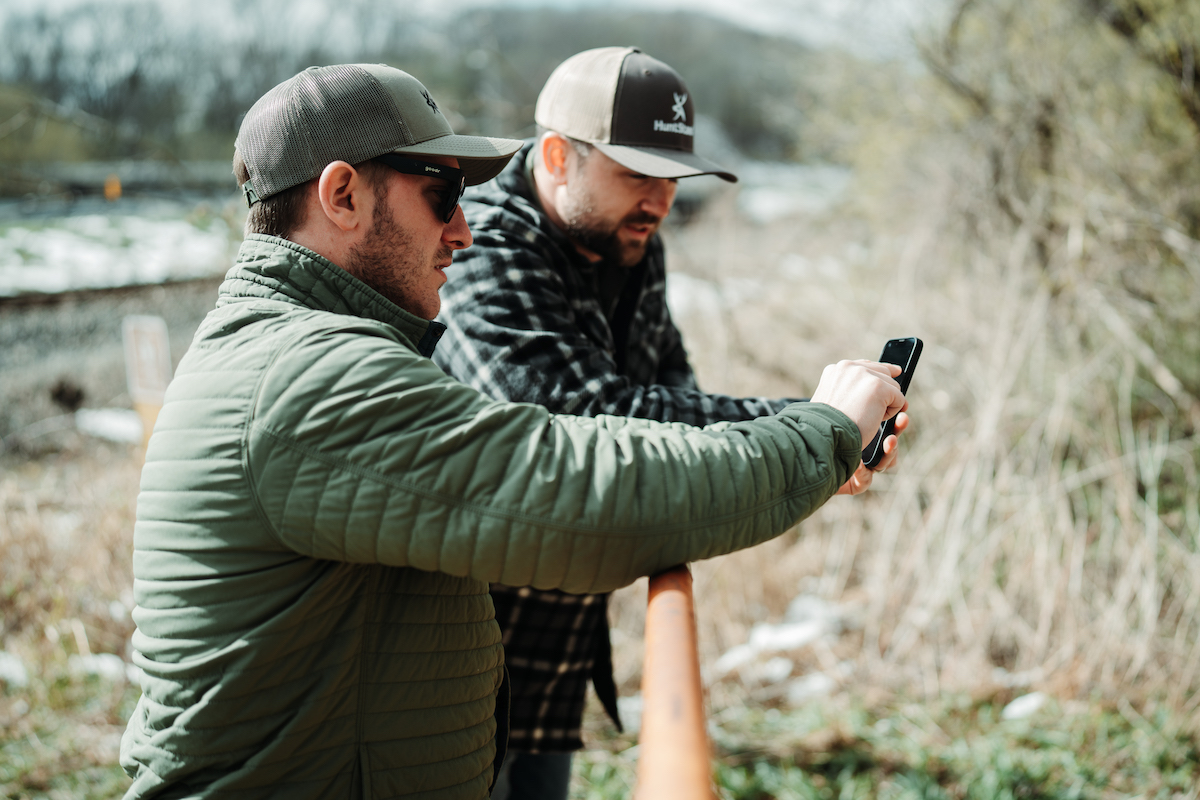
Your HuntStand app helps find stealthy avenues into your property and make notes for improvements.
Analyze the Details
Now raises the big question. Are the deer you’re viewing and photographing residents or border jumpers taking advantage of the resort setting you provide? You will likely answer that question by comparing camera images from fall to winter, plus identifying standout bucks by name.
Fortunately, a HuntStand Pro Whitetail subscription offers an easy way to manage thousands of images for that comparison. Nevertheless, if your property has an all-you-can-eat buffet atmosphere, expect it to draw in deer from neighboring properties that do not pamper deer.

Winter scouting helps you determine which bucks made it through the year and what bucks might be trophies next season.
Those deer might just be vacationers for the year, but one friend of mine has years of management experience and he has seen numerous bucks switch home territories to stay year-round on his food-heavy property as opposed to returning at winter’s end. That might not occur everywhere, or with every buck, but it’s possible to sway deer into new digs if they enjoy the stay.
More deer, severe winter conditions, poor summer growth due to drought, or other anomalies, can tax your habitat. Winter scouting gives you a good window to review if any adjustments need to be made for the coming year. If you begin to see browse pressure, overuse of food plots, and competition at your feed stations, start a plan to remedy those situations. You might need to add more food plots, consider forestry projects, and where legal, even increase supplemental feed.
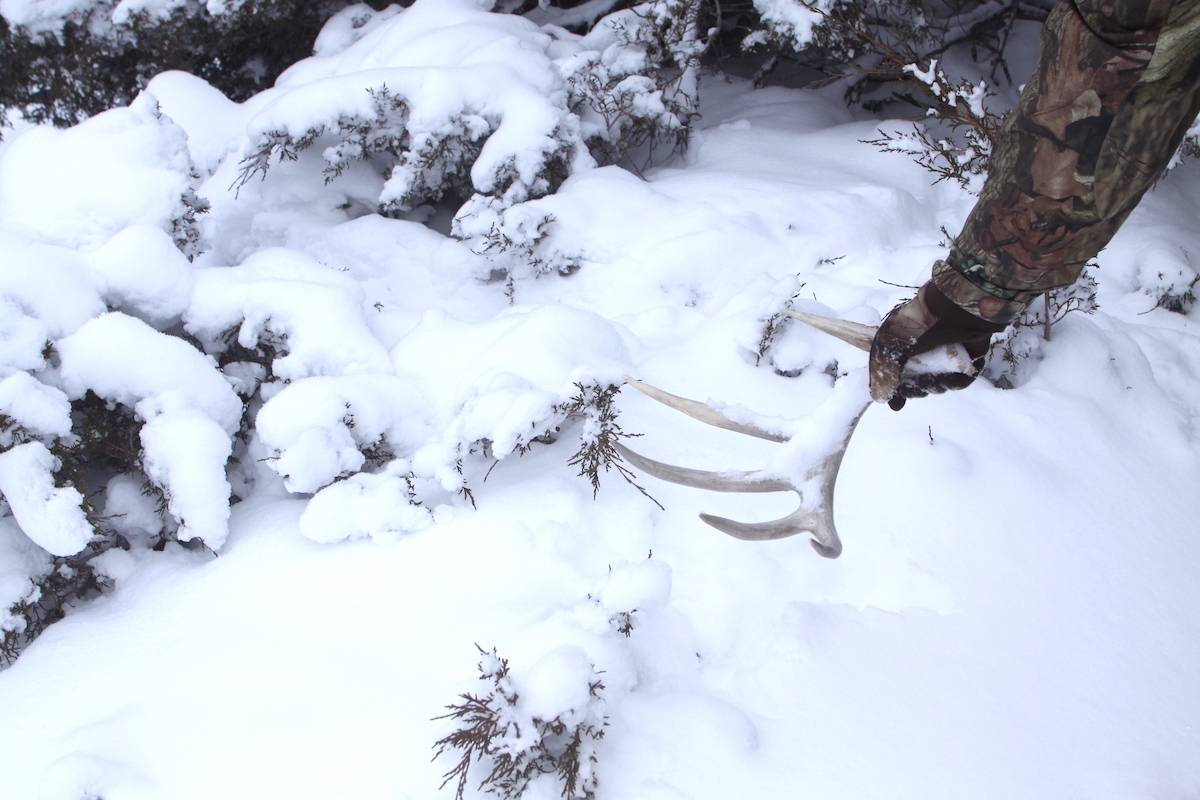
Once the stress of winter subsides, winter scouting can put you on the track of shed antlers.
Done right, winter scouting also gives you a glimpse into any predation issues you could be experiencing. Coyote predation has been documented to be a factor in many deer herds, especially during the spring fawning season. If your trail cameras and observations trigger a predator alarm, it might be time to invite a local trapper onto your property for some intensive and ongoing predator management.
Overall, it can be challenging to spark enthusiasm following a long deer season. Nevertheless, winter scouting offers an early and goal-oriented start to the coming season. Use good post-season scouting tips for deer, and next season just might be better.
HuntStand’s Whitetail Activity Forecast Tool
UPGRADE TO HUNTSTAND PRO WHITETAIL