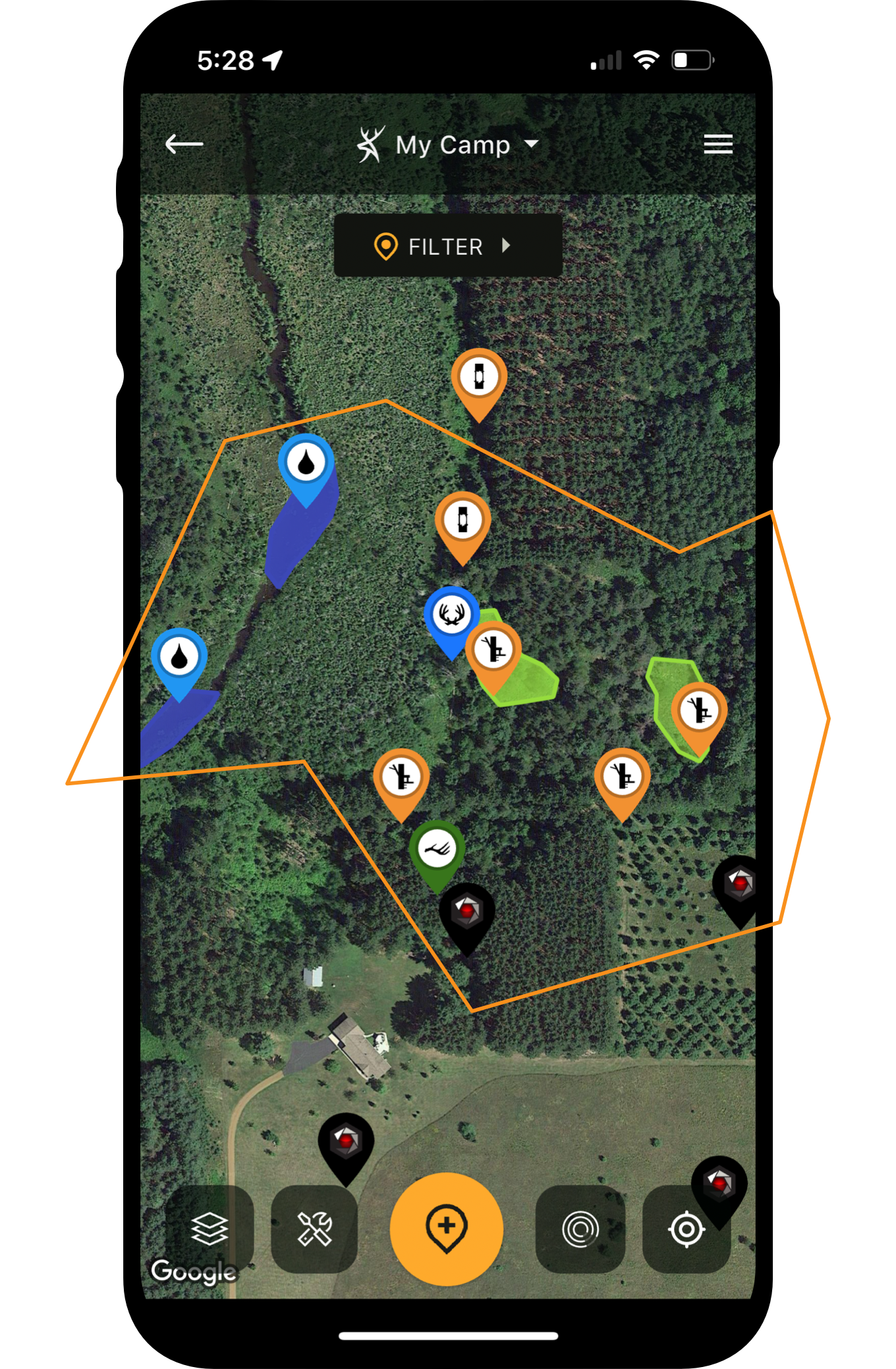








HuntStand is of great use to the mighty squirrel hunter.
Once a premier hunting pursuit in America, squirrel hunting fell off the map. In recent years, a renewed interest led to a resurgence of squirrel hunters. Old squirrel hunters are back in the field. A new generation is learning the ropes, too.
Of course, squirrel hunting is most popular in fall and winter. These are the staple seasons for dropping bushytails from trunks and limbs. But spring squirrel seasons are also common in numerous states. Examples include Arkansas, Kansas, Kentucky, Louisiana, Mississippi, Missouri, North Carolina, Oklahoma, Tennessee, Texas, Virginia, and more. Typically, these seasons occur in May and June.
Squirrel hunters are among the most devout minimalists in the woods, though. How might they benefit from HuntStand? Numerous ways. Here are reasons squirrel hunters use HuntStand.
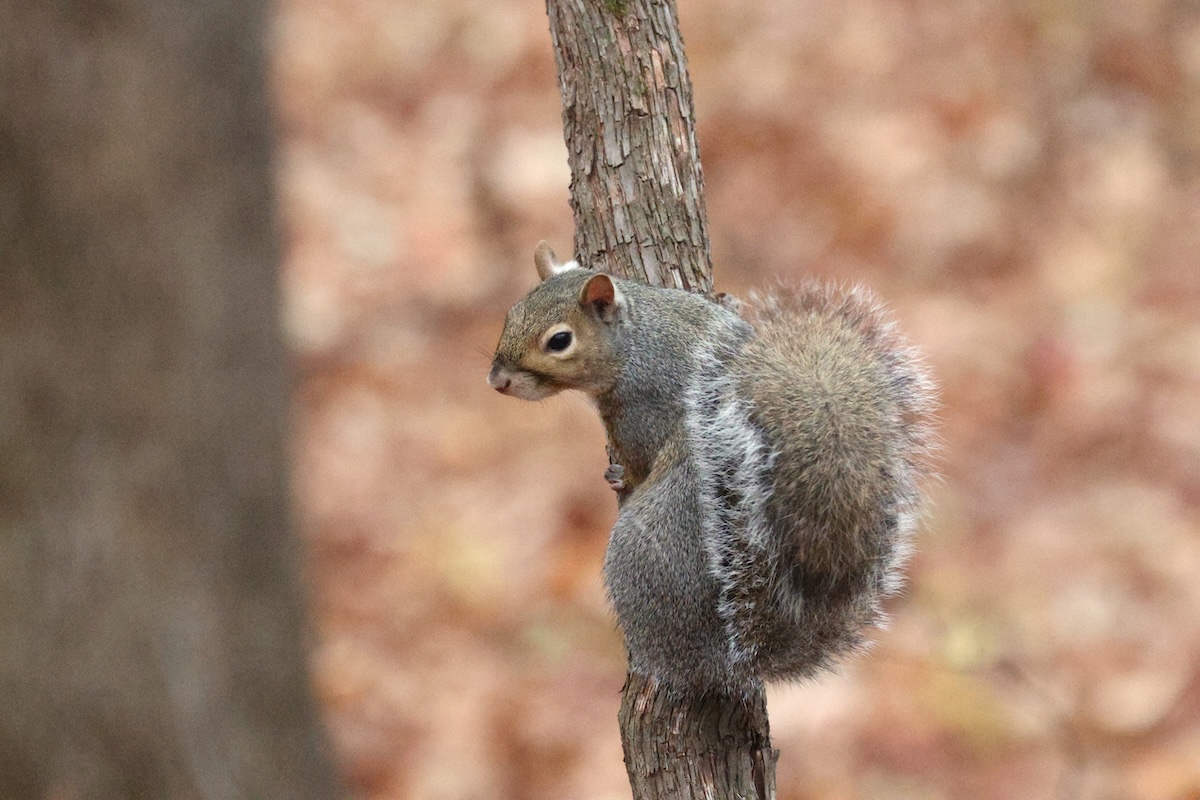
With rifle in hand, go for that head shot, and make your squirrel hunting ancestors proud.
1. Monitoring Property Line Details
Everyone likes to talk about property lines in relation to hunting whitetails, turkeys, and other game animals. That’s all good and well, but it applies to hunting small game, such as squirrels, too. Every hunter should know the boundaries of the lands they hunt.
HuntStand Pro makes it easier than ever to keep tabs on property lines. With the Property Info layer turned on, observe the digital boundaries, compare these to physical markers in the field, such as fences, flags, etc., and traverse the property accordingly.
Of course, you don’t have to worry often about “blood-trailing” a squirrel. Squirrels routinely drop straight out of the tree. But they can also make it a few lunges before tipping over. Thus, be aware of trees near property lines, and limbs that might hang over the other side of the fence. Don’t shoot squirrels that have a chance to drop to the ground somewhere you can’t go.
2. Contacting Landowners for Hunting Permission
Continuing with the Property Info theme, it’s a great tool to assist in contacting landowners for hunting permission. (And if that pesky squirrel does just happen to drag itself across a property line.) Jokes aside, this layer features landowner names and addresses. Use this available info to determine who to call, or what driveway to roll up, for virtual or direct door knocking.
3. Saving Time by Scouting Before the Hunt
Digital scouting is now a major part of hunting. The advent of the internet allowed hunters to scout using online maps. Today, we have even more powerful app services, such as HuntStand Pro and HuntStand Pro Whitetail, which allow us the ability to find and learn potential hunting areas.
Of course, HuntStand implementation saves time. Using it before the hunt can reveal potential squirrel hunting hotspots. Guesstimate where den and feed trees might be located.
How do you tell what species a tree is from a high-level aerial satellite view? Good question. To do this, study a fall-based aerial timeframe that showcases leaf color change. Within HuntStand, the Monthly Satellite is a great example of this, which provides monthly low-res looks from above.
Interestingly, tree species tend to turn specific colors in fall. For example, red oak leaves tend to fade to a crimson or rust color. White oak leaves regularly turn a brownish-red hue. Hickory leaves turn a golden yellow. Pecan leaves turn yellow gold. Walnut leaves are bright gold. Hazelnuts can turn red, orange, or yellow. These are but a few examples, but hunters can help identify potential squirrel feed trees with leaf color change. Look for these in HuntStand.
Recipe: Braised Rabbit
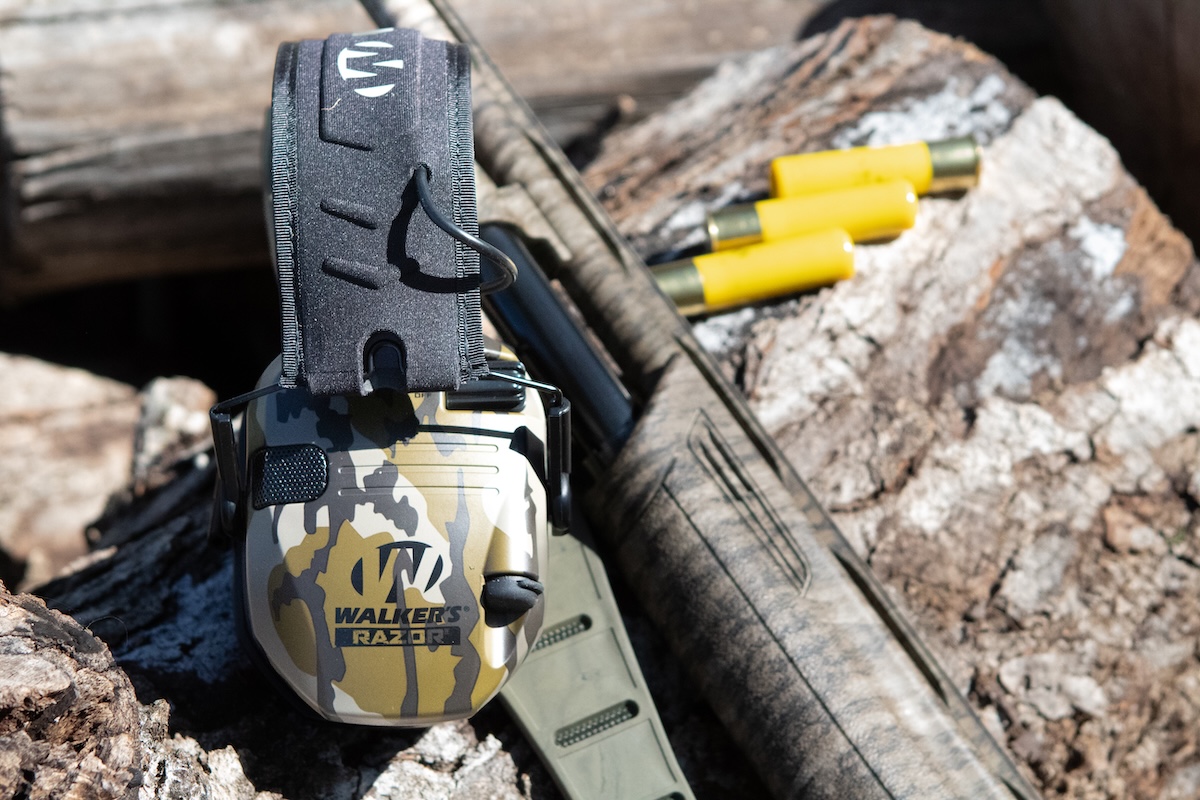
Choose between the rifle and shotgun depending on details associated with your specific hunt area.
4. Finding Squirrels by Subspecies
No, you can’t finger-pinch zoom, go full scale on an aerial image, and see a squirrel scampering along a limb. That might work for a whitetail in an opening or verifying cattle in a field to find turkey-rich pastures.
So, finding squirrels by subspecies is an impossible task, right? Absolutely wrong. Gray squirrels tend to hold tight to bigger timber, and the occasional woods line edge. Fox squirrels usually den up in more open settings, such as skinny tree lines, fencerows with trees, small islands of mature timber, and even standalone trees.
HuntStand’s aerial-based imagery layers provide excellent looks at potential squirrel hunting areas by species. Look for the aforementioned features to locate ideal spots with characteristics of good gray and fox squirrel attractions.
5. Locating (and Marking) Den Trees
When scouting before the hunt, and especially once in the field, HuntStand makes it possible to locate den trees. Recognize these when you see nests, or hollow trees, with squirrels nearby. Of course, mark these in HuntStand with a designated marker. These saved icons make it easier to remember the location of den trees, which tend to be inhabited by squirrels each year. Even after squirrels die, new generations move in and become the new residents.
6. Finding (and Marking) Food Sources
Likewise, HuntStand is perfect for finding potential food sources for squirrels. Once confirmed in the field, drop markers for these trees as well. As confirmed above, hazelnut, hickory, oak, pecan, and even pine tree pine cone nuts, are common squirrel food sources. Basically, if it drops a nut, or nut-like object, squirrels just might eat it.
How to Hunt Late-Season Squirrels and Rabbits
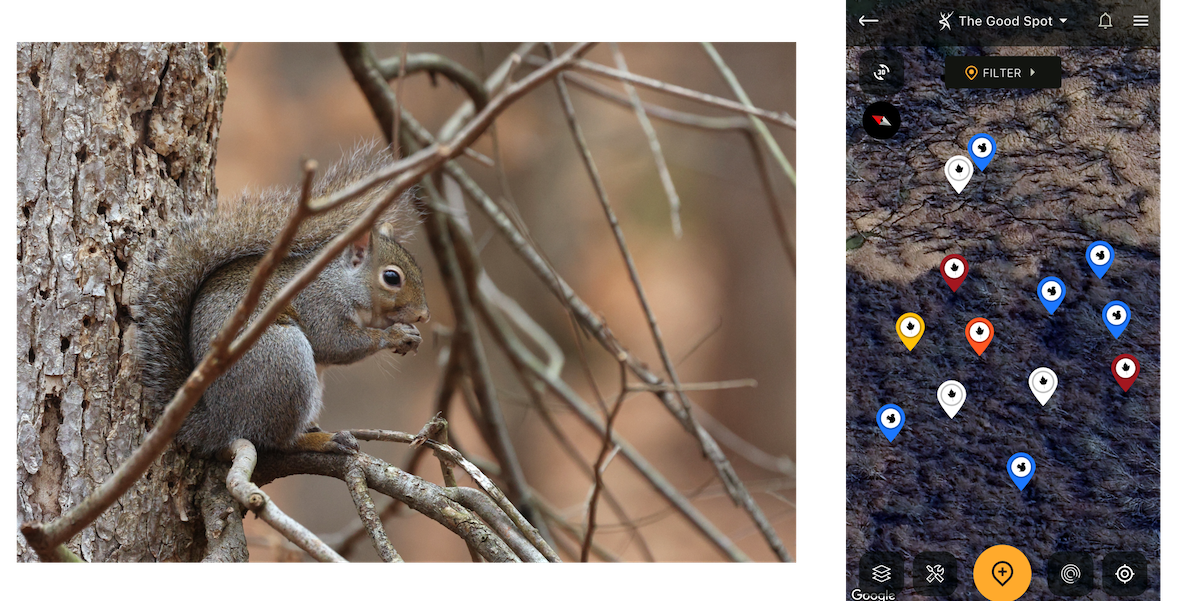
Use dedicated colors for specific tree species, such as red for red oaks, white for white oaks, orange for hickory trees, yellow for hazelnuts, etc. Develop your own system.
7. Identifying Changes to the Landscape
Habitat changes can impact squirrels nearly as much as other game animals. Agricultural expansions, weather events, industrial growth, and other changes to the landscape can negatively impact good squirrel hunting grounds.
Again, the Monthly Satellite is excellent for identifying recent changes to the landscape. Consult this layer before heading to a distant property. Check for changes before investing time into a given area.
8. Finding Public Hunting Ground
It’s true, public lands are overrun with deer hunters. It’s even difficult to find a section of turkey ground to yourself. But in an age when squirrel hunting isn’t as cool as it once was, our open-to-all lands are virtually void of bushytail hunters. So, find public land honey holes with even more efficiency than with would-be big game pursuits.
9. Identifying Potential Areas to Run Dogs
Running squirrel dogs has a long, rich heritage. Where permitted, public lands provide excellent opportunities to deploy our canine friends. Seeing these dogs work is a majority of the fun, and it’s much easier to do so on larger public properties than smaller private tracts. HuntStand makes it easy to pinpoint large contiguous acreages more suitable for cutting loose those beagles, terriers, mountain curs, black mouth curs, treeing walker coonhounds, and other popular squirrel dog breeds.
LOOKIN’ UP | Squirrel Hunting Action on Public Land

Keep up with squirrel food source locations, such as producing hickory trees.
10. Determining the Right Weapon
Most squirrel hunters use rifles or shotguns. Certain situations are better suited for different settings and situations. Is it all vast acreages of big timber? Maybe some open areas with distant shots across fields? Or perhaps mature, old-growth timber with towering canopies? That sounds like a rimfire job. Maybe it’s closer to homes, more buildings in various directions, or other landscape characteristics that make using a .22 rifle less safe or appealing. These situations likely call for the scattergun. Regardless, HuntStand aerial scouting helps make that decision.
Plus, in some areas, you can’t discharge a firearm within a certain distance of a home, other buildings, property lines, etc. In this regard, the HuntStand Distance Measurement tool can quite literally keep you out of significant trouble.
11. Selecting “Stand” Locations
Some pursue squirrels from the still-hunting and spot-and-stalking approaches. Others choose to hunt from stationary positions. By implementing pre-hunt scouting methods, and revisiting confirmed scouting notes, HuntStand helps select potential “stand” locations. Identify new areas, or head back to proven grounds, and make hunting decisions accordingly.
12. Charting Still-Hunting Routes
As noted above, some hunters choose to still-hunt or spot-and-stalk squirrels. The sit-and-wait approach isn’t their jam. For these hunters, it’s important to use the Trace Path feature. This keeps track of the routes you take and makes it easy to chart and remember good routes to implement in the future. Furthermore, if you forget to drop icons as you go, with the route saved, it’s much easier to place important scouting markers after the fact.
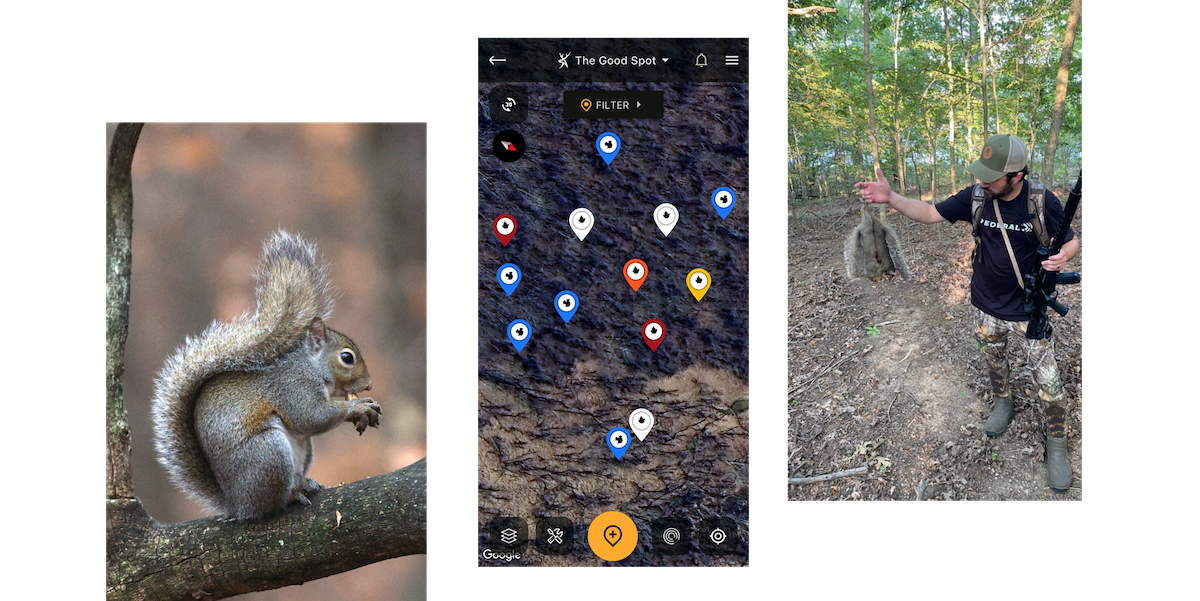
Mark squirrel sightings and harvests in HuntStand with designated pin drops.
13. Marking Squirrel Sightings
See a squirrel while in the field? Mark that sighting (or sightings) with pin drops. Within these markers, type out important notes. Leave relevant details that can benefit future squirrel hunts. Maybe it’s the number of squirrels seen, heavy loads of acorns or nuts, etc. Whatever the case, mark squirrel sightings and associated factors that impact the hunt.
14. Recording Squirrel Harvests
Most importantly, record squirrel harvests with pin drops, too. Over time, this and sightings data can build important property profiles. Having that hunting history is of great value. Keep track of these records in HuntStand to bank important long-term details.
15. Keeping Up with Nearby Hunters
These days, few squirrels run into other squirrel hunters. Even on public land, you’re unlikely to bump into many others. That said, if you do, drop pins to mark encounters with other squirrel hunters. This can assist in future hunting decisions, managing harvest numbers (in given areas), and other important squirrel hunting factors.

Squirrels are downright scared to death of HuntStand Pro, and they don't even know it.
Upgrade to HuntStand Pro
Squirrel hunters killed bushytails long before HuntStand Pro came around. But without question, upon arrival, it streamlined scouting and increased efficiency. Premium map layers, property data info, monthly satellite updates, 3D map scouting, offline mapping, and more, are ideal HuntStand assets for the squirrel hunter. Benefit from HuntStand Pro, and enjoy better squirrel scouting and hunting experiences this year.