



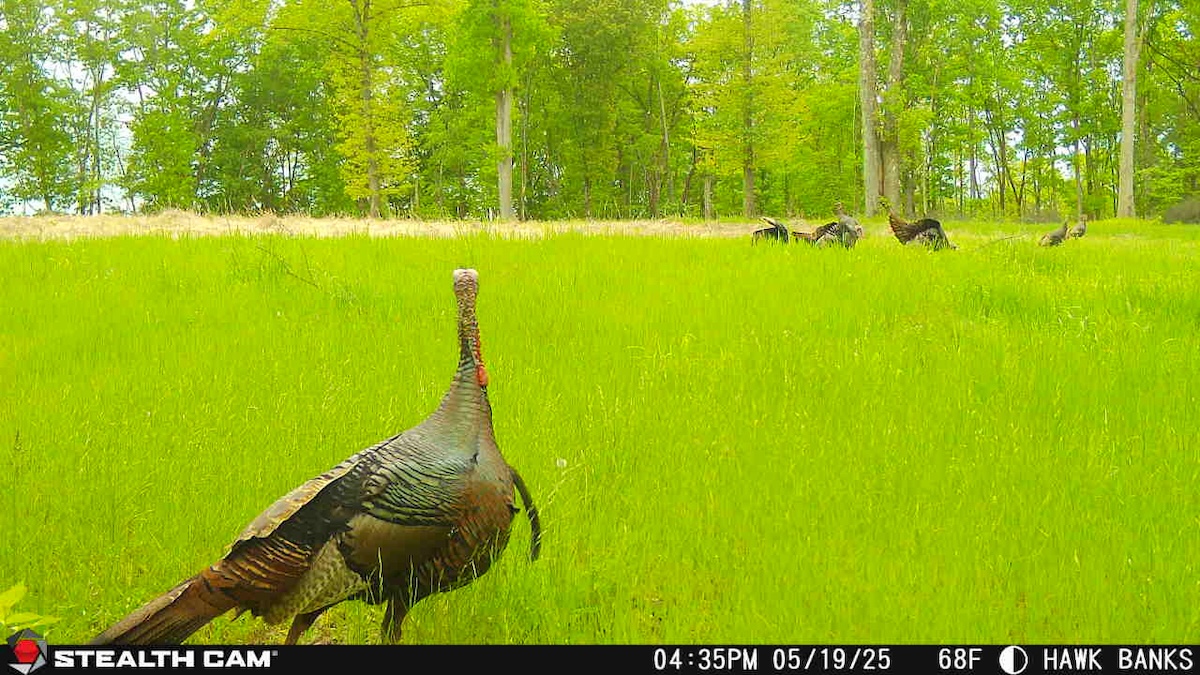

Use cell cams to find late-season turkeys.
May is here, and soon it’ll be gone, but for many thousands of hunters, turkey season remains open. In fact, the latest of the seasons don’t close until the first week of June. There are still a few days left yet to find a bird for the final days of the season. One way to do that? Scout late-season turkeys with cell cams.
Cellular trail cameras offer long-, mid-, and short-term benefits. These allow hunters to save time, reduce guesswork, minimize frustration, complete important objectives, and enjoy greater success rates.
Plus, seeing birds on cameras and live in person offers a better experience for you, or even new hunters you might be introducing to the outdoors. With unique features such as Live View, On-Demand, Timelapse, 360, and more, Stealth Cam users are well equipped with the tools they need to maximize a cell cam campaign.
Here are some sweet spots to scout late-season turkeys with cell cams.
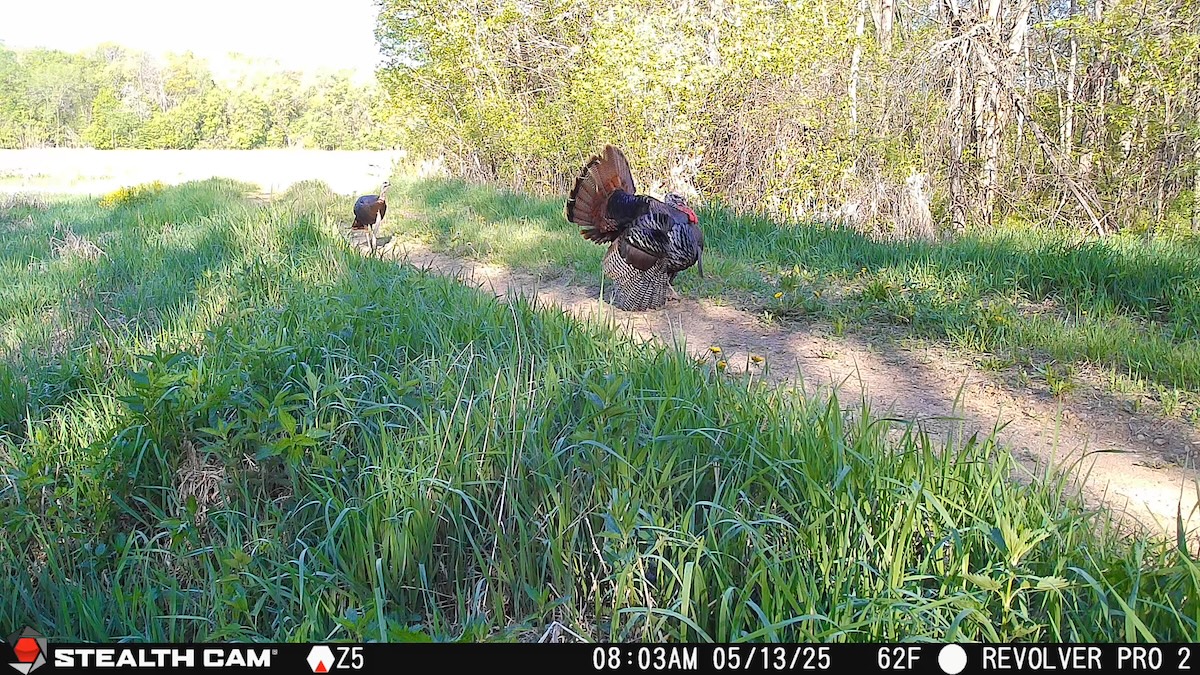
Implement the right settings and best practices to maximize cell cam scouting.
1. Roost Sites
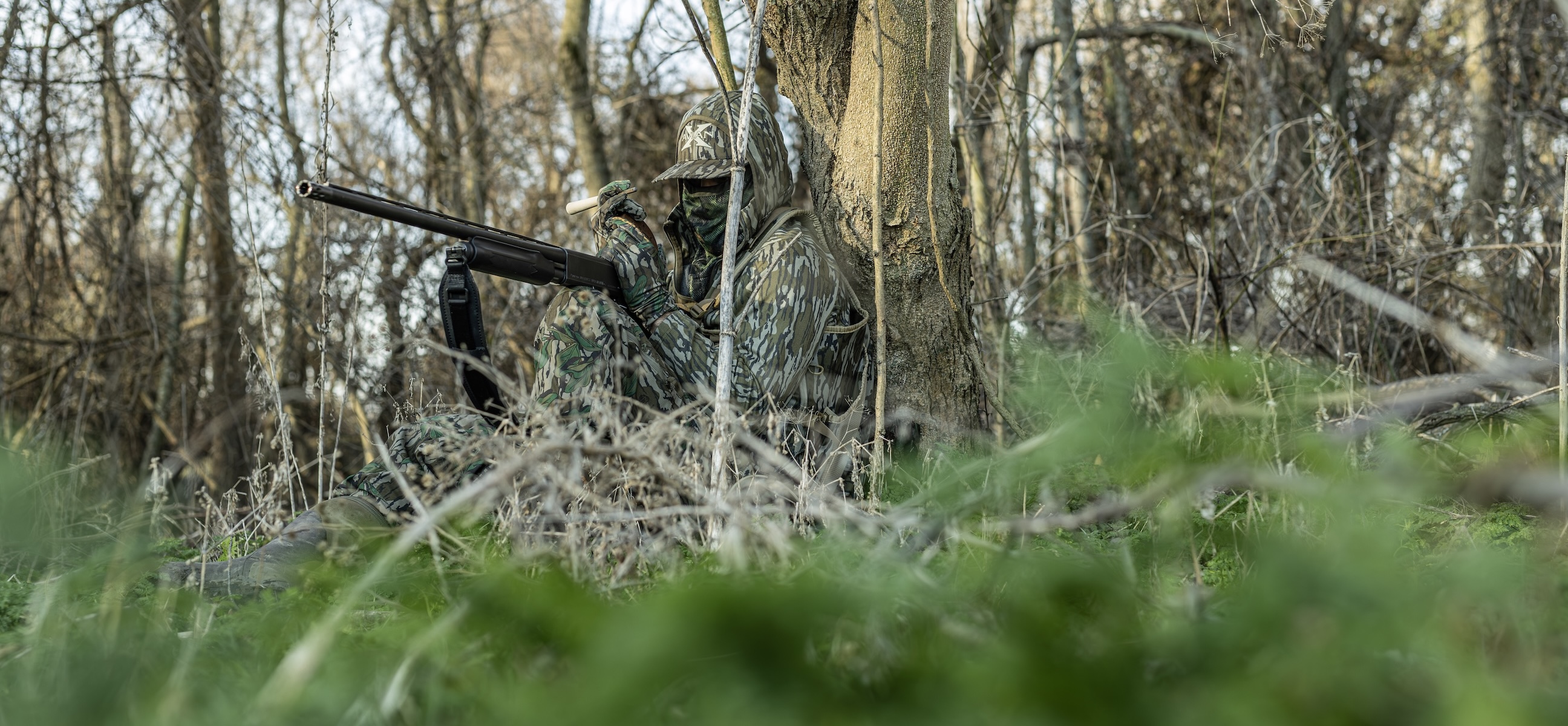
Many turkey hunters avoid spending time around roost sites, especially late in the season. At this point, a slight misstep might send a turkey off to a neighboring property for the remainder of the season. But if you have the hope of making something happen, consider slipping in around midday to post a camera overlooking spots that turkeys frequent just before fly-up and after fly-down.
2. Established Patterns and Travel Routes
Like whitetails and other big game, turkeys follow established patterns and travel routes. You already know birds use these areas, but by posting cams, you can gauge if birds continue to frequent these spots, if pressure is affecting them, and potentially how many birds remain on the landscape to hunt.
3. Key Crossings
Crossings are excellent for all manner of hunters. These also serve turkey hunters well. Post cell cams over key crossings, including creeks, ditches, fences, rivers, streams, and more. These and other places are excellent for snagging photos of a high percentage of the local turkey flock.
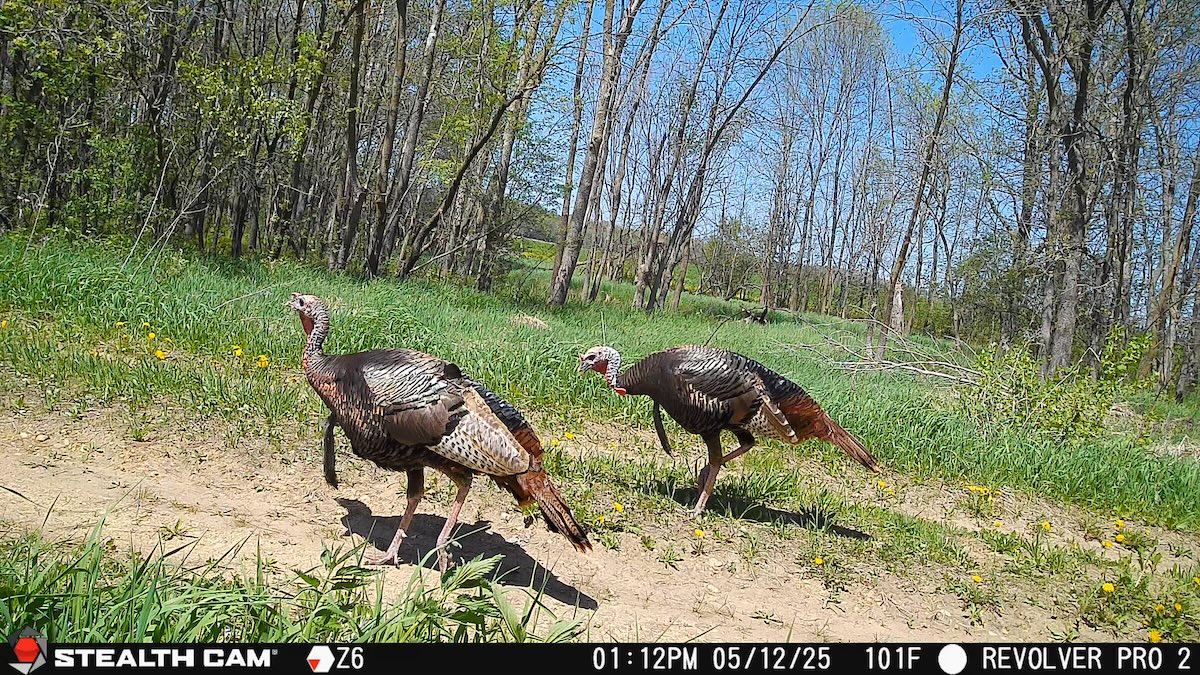
Wild turkeys love scratching around in areas with exposed soil.
4. Obvious Funnels and Pinch-Points
With the same mindset as crossings, hang cameras overlooking obvious funnels and pinch points. Open gates, gaps in cover, and other funnels, are excellent spots to intercept turkey movement. It’s a game of odds and probabilities.
5. Discovered and Expected Strut Zones
Have you located some strut zones? Think you know where some might be located? Position cell cams overlooking these areas. Even when birds go silent and quit gobbling, they’ll hit the strut zones and post up for the ladies. Position some cell cameras to determine if those locations are being used by remaining gobblers, or not.
6. Ag Fields, Fallow Fields, and Food Plots with Shorter Foliage
Most of the turkeys are in feed mode. Even gobbler that dominated spring are gradually shifting their mindset to nutrition and a weight-gaining regimen. This makes ag fields, fallow fields, food plots, pasture ground, and other open spots excellent for business. However, this late in spring, many fields are growing quite tall. Because turkeys don’t like wading through thick, grassy foliage, search for spots with shorter stands of crops and grasses. Plus, ag fields with corn or soybeans just popping out of the ground can be highly attractive to turkeys.
How Do You Find, Call, and Decoy Pressured, Late-Season Turkeys?
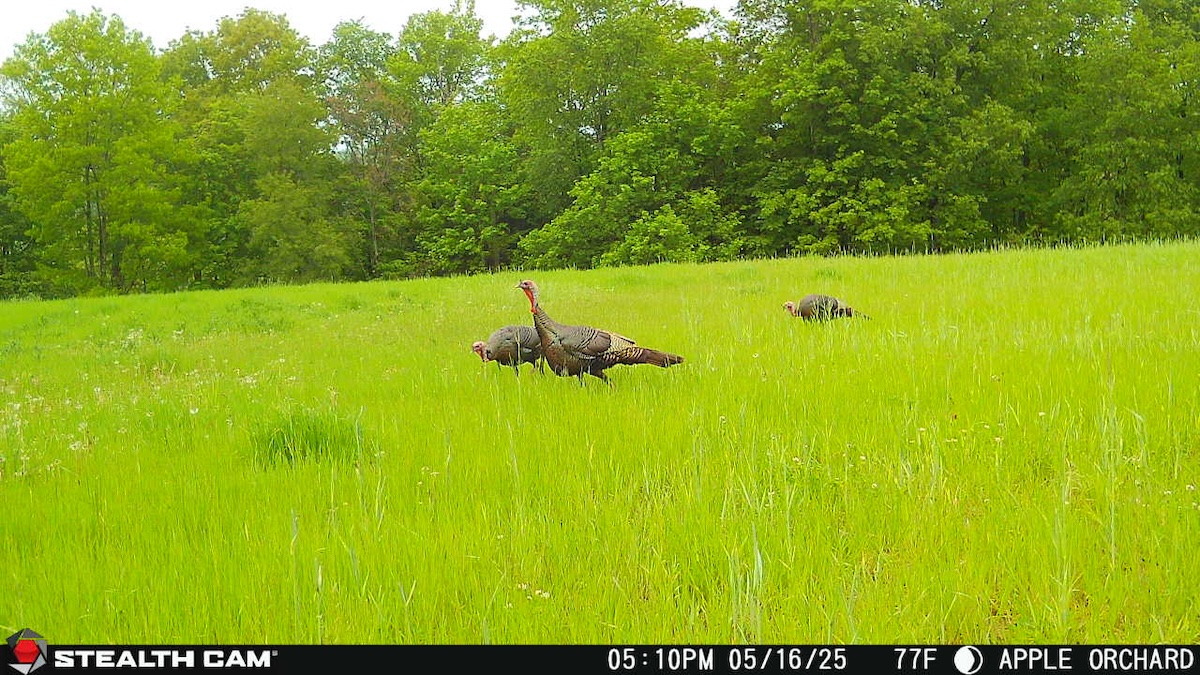
Run 180- or 360-degree cell cams to snag more photos of turkeys.
7. Freshly Turned Ag Fields and Food Plots
Turkeys love exposed dirt. They’ll spend a notable amount of time in freshly turned ag fields, food plots, etc. They’ll scratch around for high-protein insects, new (tender) plant growth, and small rocks to stick in their craw. Gobblers even spend time strutting here in hopes of seducing one last hen.
8. Fresh-Cut Hay Fields
Taller hayfields are attractive to hens going to nest, and gobblers will start following them there more and more. That said, longbeards really don’t like that tall stuff as much as shorter foliage. Because of this, keep an eye open for fresh-cut hayfields, especially alfalfa and other more palatable feeds. Alfalfa is a legume, which attracts greater loads of insects. Turkeys like that.
9. Stands of Mature Timber
Wide-open, mature timber is something wild turkeys need. Of course, these birds require good nesting, brooding, and escape cover. However, pockets of big woods can offer quality roosting areas, feeding areas, strut zones, heat-of-the-day cooldowns, and more. Position cams on the edges of these locations between the big timber and the direction that turkeys typically travel to and from there.
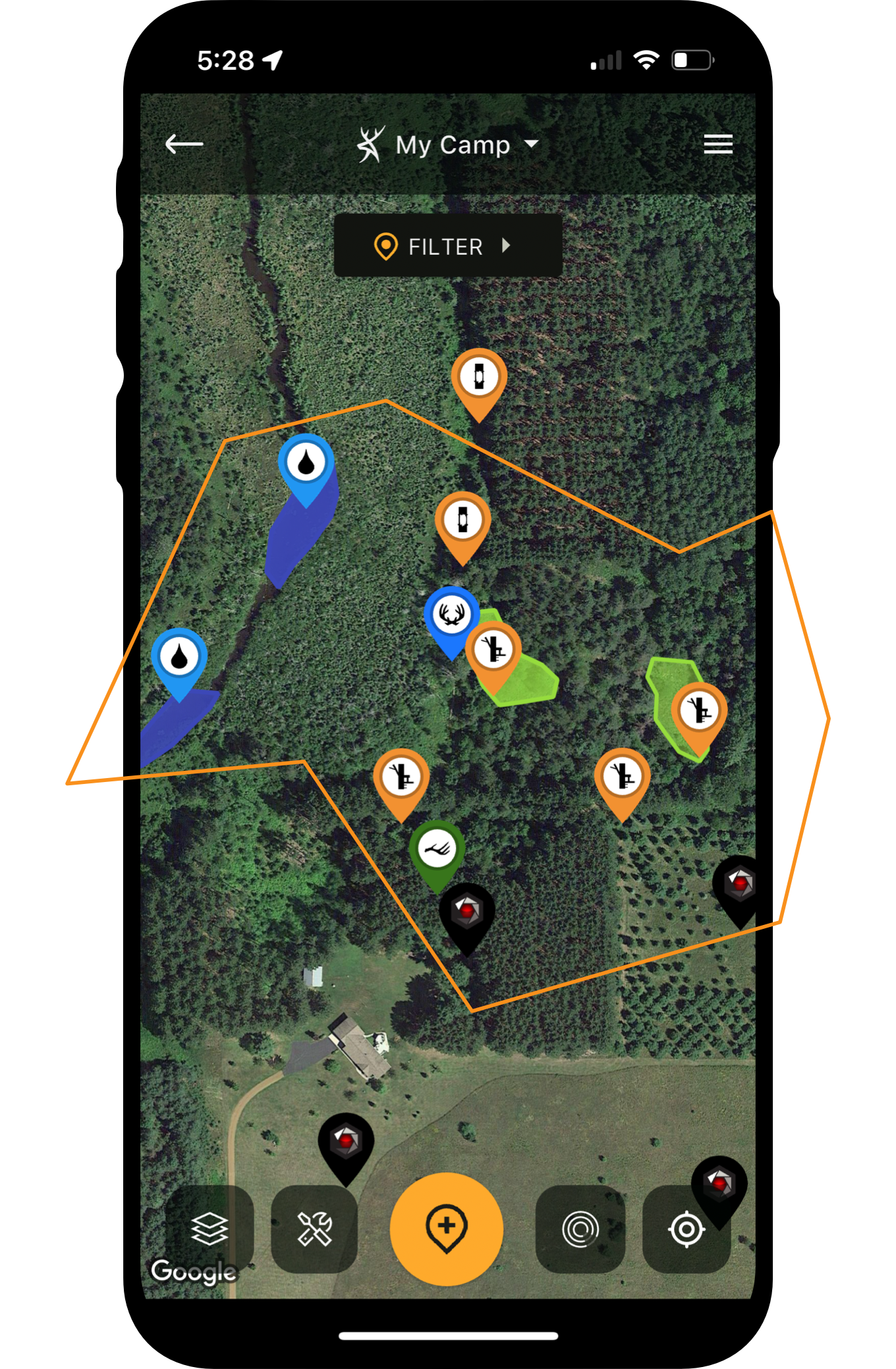
“Lucky” Places to Find Pressured Turkeys on HuntStand
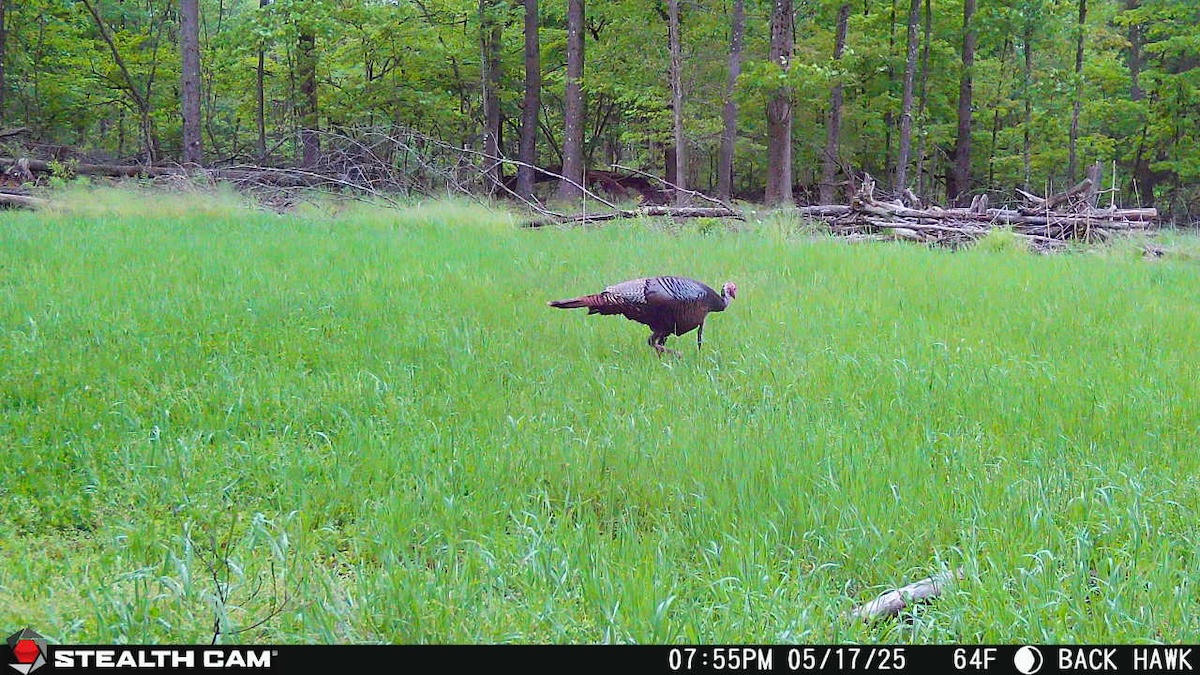
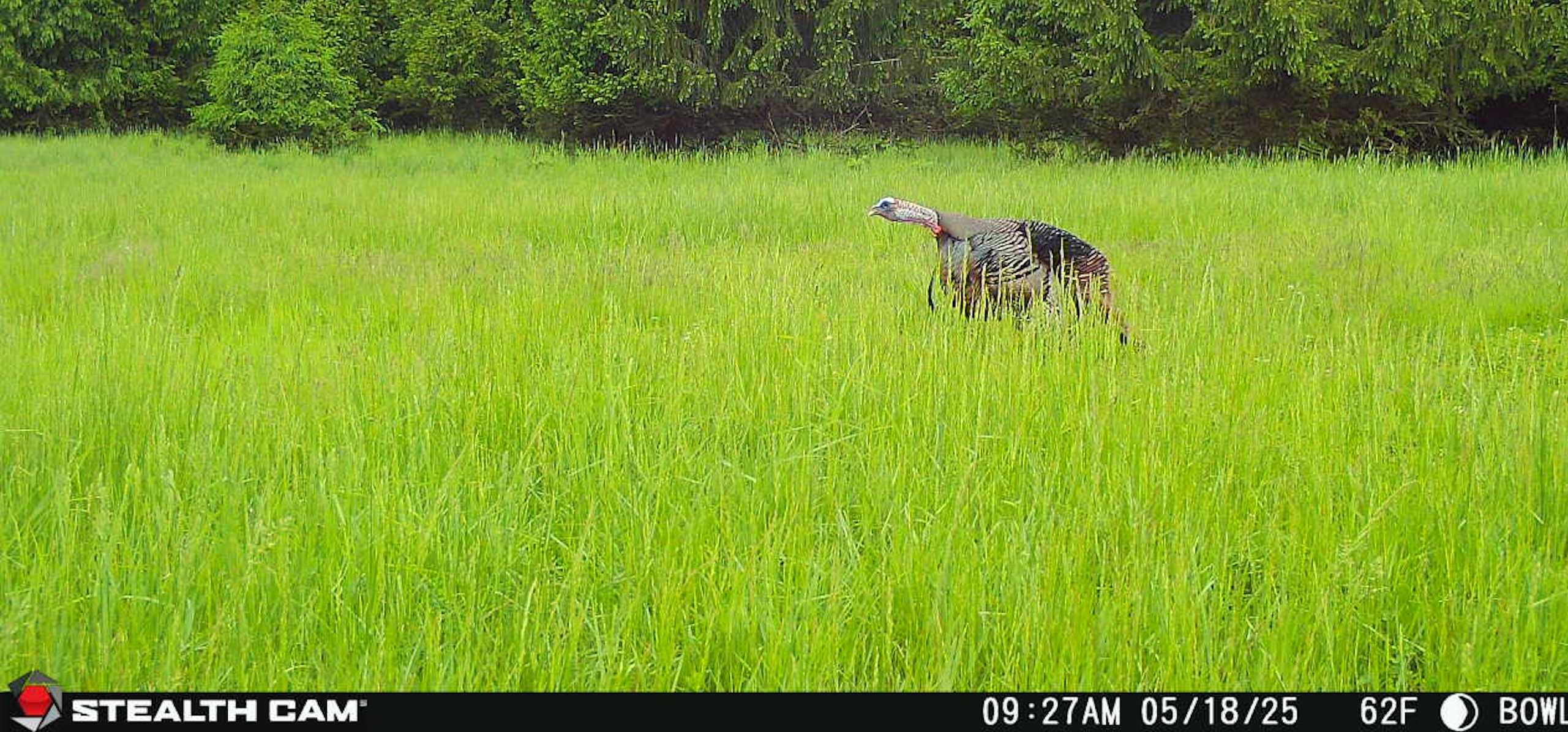
Cell cams aren’t just for scouting deer. Use these for wild turkeys, too.
10. Close to Creeks and Other Cool Areas
Although the 2026 season has been an exception, by May, it’s usually pretty hot. Even this year, which has been cooler than usual, turkeys are still seeking reprieve from the heat. They achieve this closer to creeks, in bigger timber, along shaded edges, and other cooler areas. Position a notable percentage of your cell cam armada amidst these areas. Search for a higher concentration of turkey tracks, droppings, and other sign to maximize odds of snagging some photos.
11. Anticipated Nesting Areas
Hens are largely heading off to nest now. They aren’t spending much time in open areas and traditional feeding zones unless they’re close to their chosen nesting area. Typically, they start feeding much closer to cover. As a result, gobblers slowly transition toward these areas as well. Hunters can intercept them as toms begin using new locations closer to nests.
12. Dust Bowls
Turkeys continue using dust bowls to treat themselves for mites and other biting bugs. This is a self-hygiene method used to improve overall health and wellness. To determine what birds remain on the landscape, consider posting cell cams overlooking dust bowls. This should help take late-season inventory of the flock.
13. Un-Hunted Pockets of Cover
There are numerous places on the farm that you’ve avoided all season. These pockets of un-hunted cover are likely seeing upticks in turkey usage, even if they don’t offer the best habitat. Expect turkeys to be there simply due to less or non-existent hunting pressure.
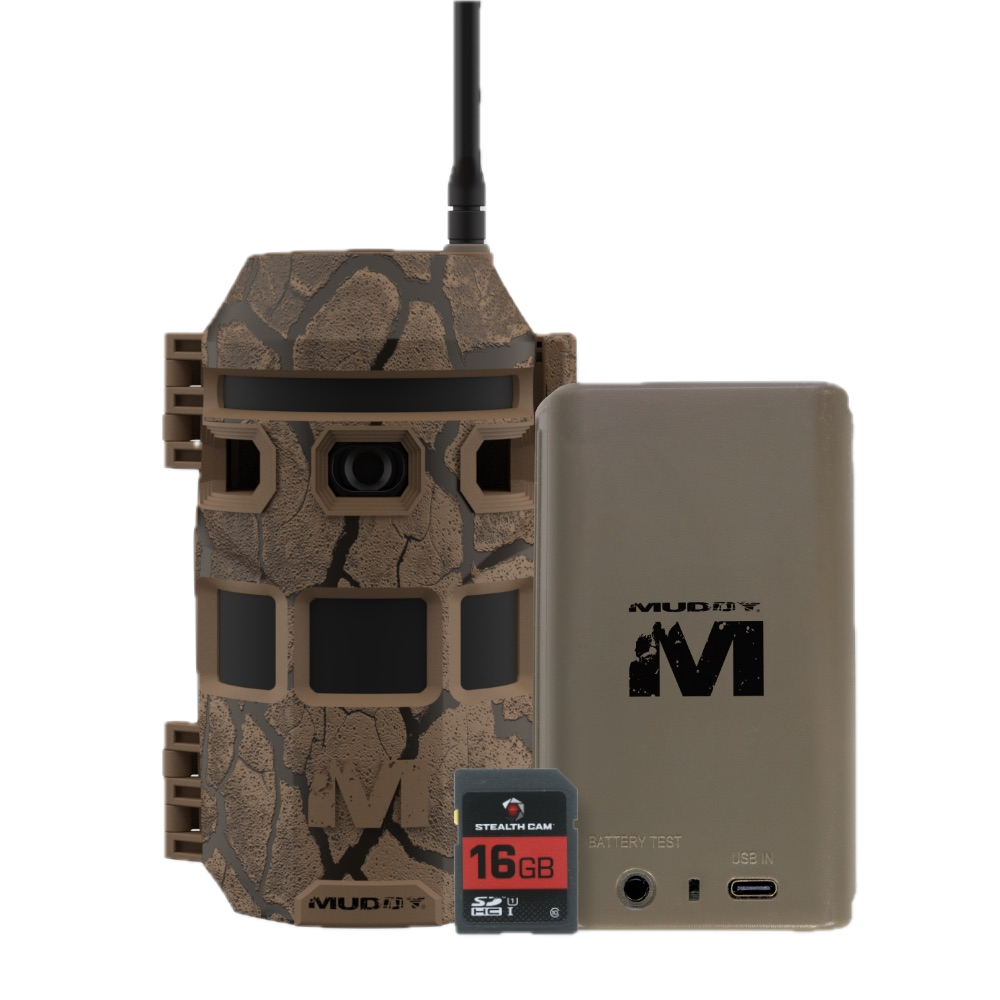
Choose your preferred cell camera that best suits your cell cam needs.
Remember: Get Your Settings Right
Those who have never used SD or cellular trail cameras to scout turkeys should know that certain settings and best practices are deal for capturing these two-legged critters on cams.
First, hang cameras lower. The sweet spot is about 20-25 inches from the ground. Essentially, think knee-high (for turkeys) rather than waist high (for deer). Face cameras either north or south, but not east or west.
Consider using timelapse, especially in open areas, such as fields and food plots. Video mode is great for capturing cool turkey behaviors and useful details. For turkeys, implement higher sensitivity settings and use shorter downtimes between photo triggers.
Those looking to take the next step in cell cam usage should try Muddy’s 180-degree or Stealth Cam’s 360-degree cellular trail cameras. Turkeys meander a lot, and implementing 180 or 360 models ensures greater odds of snagging trail cam photos of the turkeys using your hunting lands.
If you’re still packing tags, and hunting states with open seasons, don’t give up. There’s still time to finish strong. Post cell cams in areas to scout late-season turkeys, and you’re much more likely to fill those remaining turkey tags.