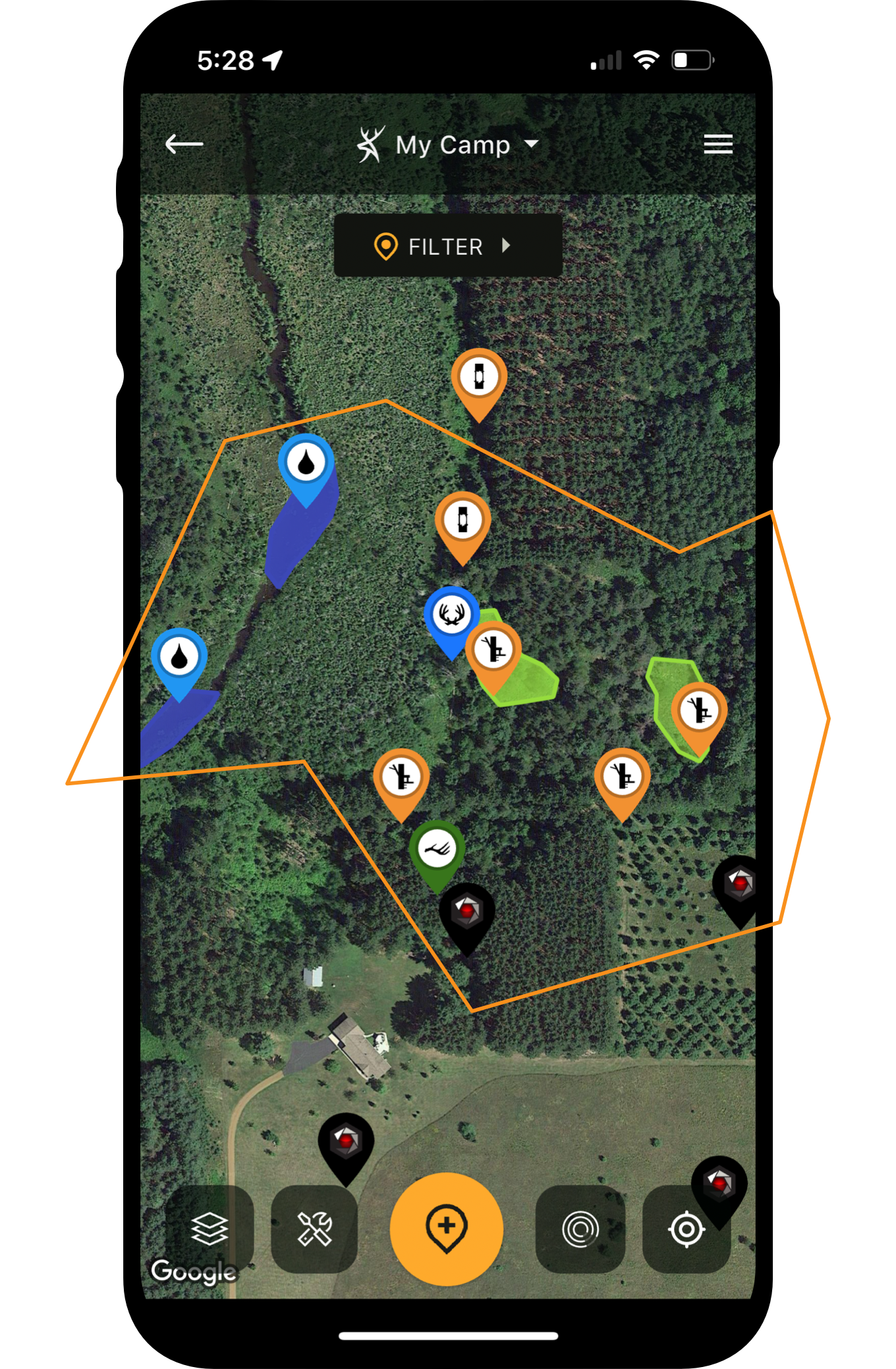




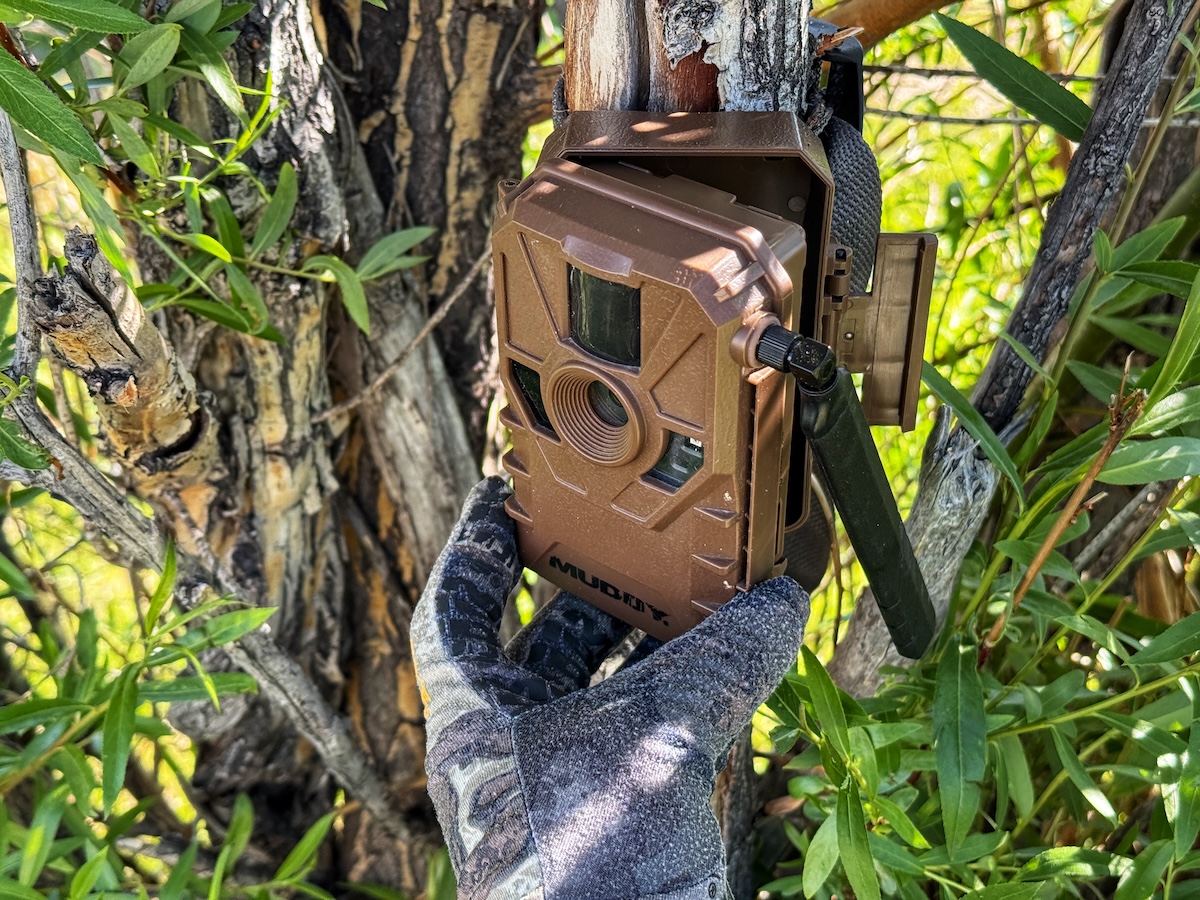

The HuntStand Markers can be used to monitor your hunting area and combine with Command Pro camera images.
You invested. Reap a return. There’s no reason whatsoever to only deploy your cellular trail cameras for the last half of the year or only during the fall hunting season. They are designed to withstand the elements, send you countless images, and help hone your wildlife management with real-time captures of what’s occurring on your hunting property. Simply, there are many reasons why you should use cellular trail cameras year-round.

The Command Pro app teams with HuntStand to offer a detailed coordination of maps and images.
Integrating HuntStand and the Command Pro App
HuntStand becomes a crucial team member when deploying this lineup of image capture specialists. HuntStand partners with the Cam Command app to offer even more unity between your camera team and hunting app. Visit your favorite app store and download the free Command Pro app. It organizes your images in folders based on the camera and displays connectivity, battery level, SD card capacity and more. From the app you can also schedule daily test images to ensure the unit is working, plus adjust photo resolution, burst mode changes (one to three images per burst), delay adjustment, and so much more. If the cellular unit is solar powered, you rarely need to visit it.
The real bonus is connecting it to the HuntStand hunting app. Simplify management of your cameras by importing markers, viewing photos, and evaluating camera status in the HuntStand app. With images, locations, dates, and bursts of activity information, you can begin marking potential hunting sites, sanctuary areas to avoid, watering preferences, and estimating wildlife density. Why wouldn’t you want that information to be fed to you year-round?
HuntStand’s customized markers also allow you to mark mineral sites, bait, scrapes, food sources, and other locations ideal for camera surveillance. You can even add notes to each marker for precise information. Combine this with unique base layers, such as Quad Topo with elevation information, Natural Atlas with detailed geographic information, Monthly Satellite to understand surrounding land use, and many more.
To heighten the effectiveness of base layers, tailored overlays, such as the Whitetail Rut Map, illustrate rut activity in your region. Riparian Areas help pinpoint hot camera locations and a specific Whitetail Habitat Map overlay for even more information to get that camera in the perfect place.
Next, you might need to move cameras throughout the year, but a few adjustments could help you zero in on the best information. The following are some monthly activities and behaviors that you need to consider as a year of camera surveillance unfolds.
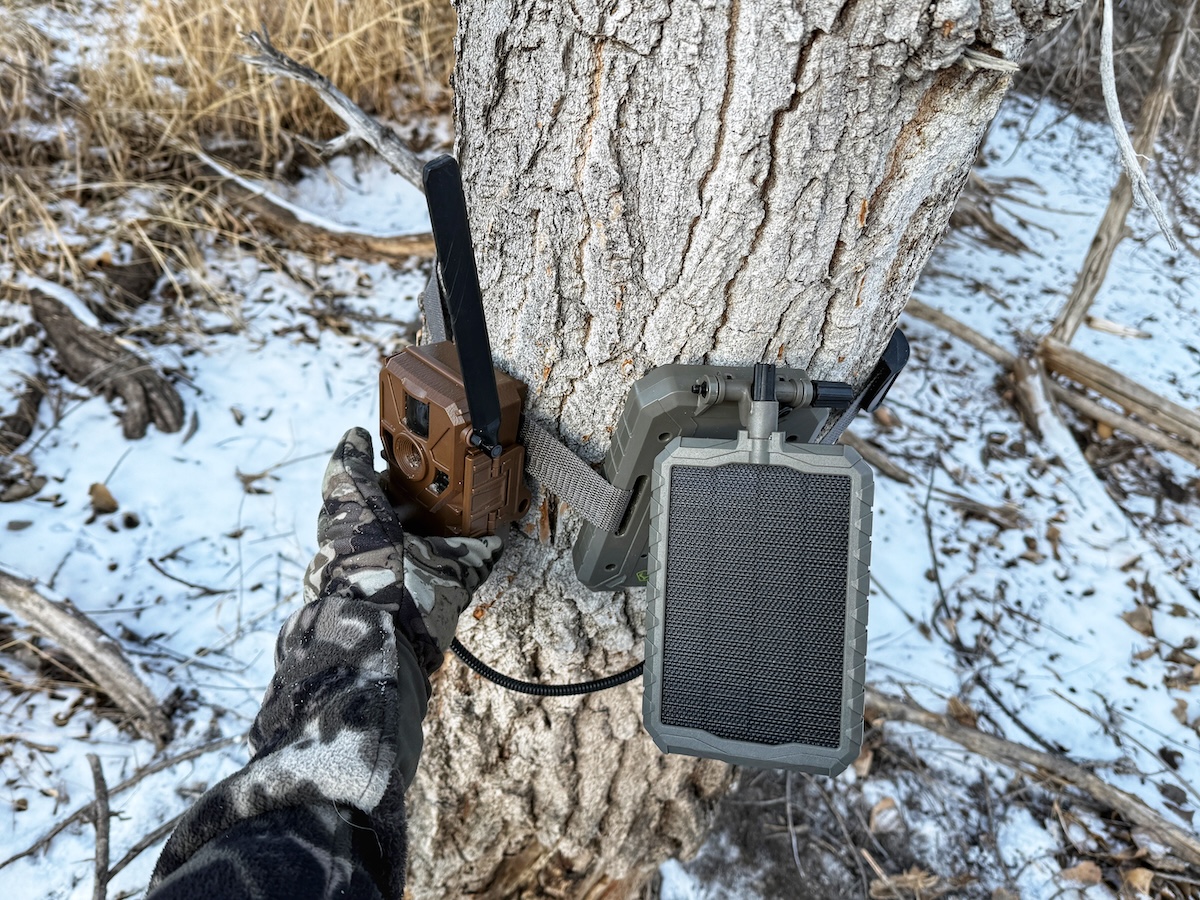
Check ag fields for winter nutrition and monitor all winter food with trail cameras.
Using Cell Cams in January
January could have two perspectives to consider. Both take into consideration that most whitetails are whipped from the rut and looking for rest and nutrition recuperation.
First, you might still be late season hunting with bow or muzzleloader. Monitoring bedroom entrances, food plot travel routes, and food sources themselves, take top precedence. Second, your hunting might be over, but your camera work reveals what bucks made it through the season with an inventory of up-and-comers along with the savvy survivor mature bucks.
Consider adding a solar charger to help keep batteries boosted during cold snaps.
Using Cell Cams in February
Whitetails begin shedding their antlers depending on testosterone depletion and winter stress. You could begin seeing antlerless bucks already in late December and January, but February is when true shedding begins. Trail cameras that monitor busy trails, food plots, supplemental feed, and the like, give you regular updates on what bucks have shed their antlers and how many are still carrying. Make notes in your HuntStand app to help you later when finding these antlers around busy sites.
How Deer Survive Winter

A freshly shed whitetail antler in the snow — trail cameras can help you monitor when bucks have dropped.
Using Cell Cams in March
In addition to shed antler information (it’s an addiction for many), your army of trail cameras keeps a steady catalog of daily deer visits to specific areas. If you notice missing deer, make notes on your HuntStand app of when and where. Also keep notes of predator sightings. Properties with a healthy population of wildlife attract predators and those toothy visitors could have an impact on wildlife when they are at their winter’s weakest.
And yes, by March, many bucks have jettisoned their antlers, giving you information about when to possibly begin picking up the forest prizes.
Using Cell Cams in April
Some regions do not experience winter stress, but typically, April is a safe month to begin invading whitetail homelands for the real collection of all dropped antlers. Winter is past, green browse is beginning to bud, and deer and other wildlife are gaining weight. Monitor your images to confirm antlerless bucks and budding antlers on some male members of the herd.
That noted, a true invasion of bedrooms, food areas and established wildlife travel corridors will not stress deer into a death situation. Hike with confidence that your intrusion will not harm wildlife, plus it will be forgotten before hunting season with help from your trail cameras.
Additionally, where permitted, consider using cellular trail cameras to scout for spring turkey season. This can provide valuable intel when deciding where to hunt, and when to do so.
Deer Hunts in February or March
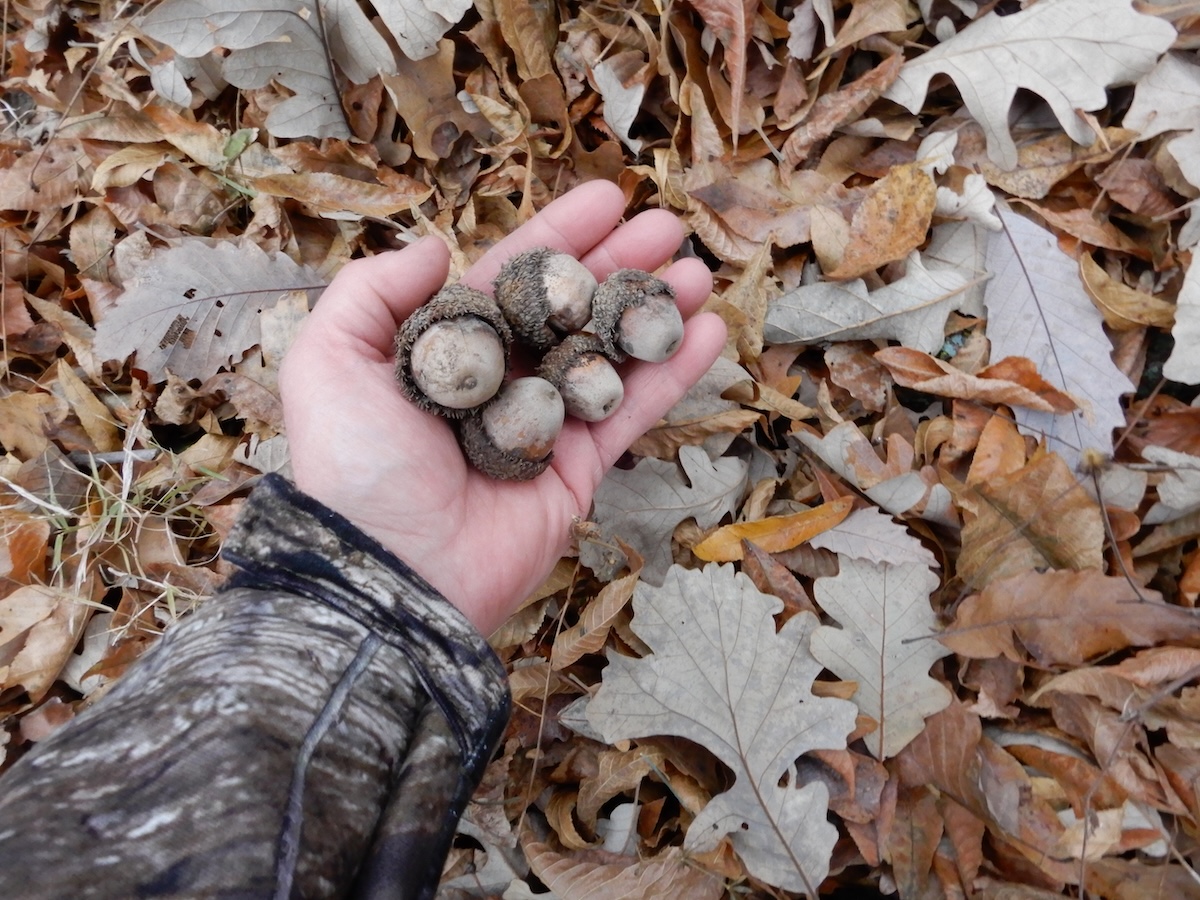
Acorns falling in timber create a mid-October whitetail pattern that you can track with trail cameras.
Using Cell Cams in May
May is an ideal time to do maintenance on your trail cameras, cellular or SD card models. This includes adding solar chargers, replacing batteries, readjusting point of view, moving cameras to summer locations and more. While you wander through the spring woods use your HuntStand app to make notes on the condition of food sources, food plots and water sources. Some might need fieldwork. Mineral sites might need to be replenished, especially for lactating does and antler-growing bucks. With cameras back in prime working order your summer surveillance is about to begin.
Again, where turkey seasons remain open, and where cellular trail cameras are allowed, continue using these for scouting wild turkeys. Furthermore, use these to take post-season surveys and monitor the flock.
Using Cell Cams in June
Fawns are on the ground and will begin moving with moms soon. Your trail cameras should be monitoring all nutrition to ensure it benefits the growing herd and that deer, plus all wildlife species, are acquiring the calories they need. Your cameras might not capture many fawns yet, but they will soon. Nevertheless, keep tabs on does visiting food sources and all-important mineral sites.
If any areas need a boost, begin making plans for summer food plot improvements and for sure, fall food plots. These will be important for hunts ahead and the well-being of all animals your trail cameras are sharing with you.
Shed Hunting Hacks, Tips, and Tactics
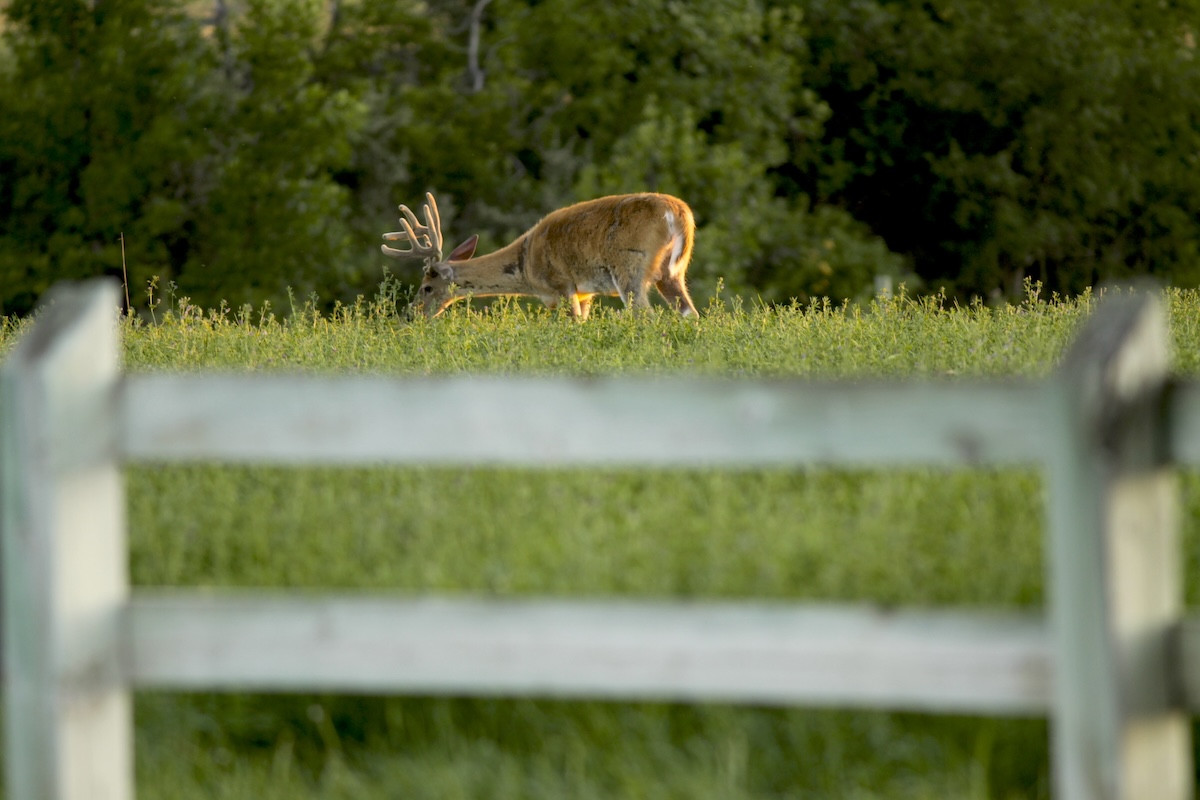
This whitetail buck is feeding before opening day of hunting season. Trail cameras can catch this movement when you are not scouting.
Using Cell Cams in July
July is a bustling month. Fawns begin moving more with does, bucks begin brazen daylight forays to food sources, and most wildlife species feel secure with bountiful cover, and food. Begin a census soon. Use the Cam Command Pro App tools to keep tabs on all identifiable bucks, does with fawns and other wildlife, such as turkey flocks. Your counts and identification efforts allow you to understand hunting potential ahead and whether you are gaining or losing wildlife populations on your property.
In addition, you can monitor what food sources deer and wildlife prefer at this important time of year. This gives you an idea of enhancements or improvements needed for the future.
Using Cell Cams in August
August is buck month. You now have a complete picture of the full potential of players passing by your trail cameras. Bucks are just weeks from full maturity and holding to patterns. You will discover bachelor groups setting up territorial use of certain food sources and establishing the pecking order. Video is an option this time of year to see what bucks display dominance and what bucks are subordinates. Interestingly, the best scoring bucks are not necessarily the bossiest in the bunch and video reveals that behavior.
Keep a steady eye on bucks at this time of the year. They might continue a strong pattern on a certain food source, but in heavy agricultural areas adjacent crops are also maturing and palatability could make a band disappear overnight for crops such as nearby soybeans.
What Shed Antlers Teach You About Deer and Elk
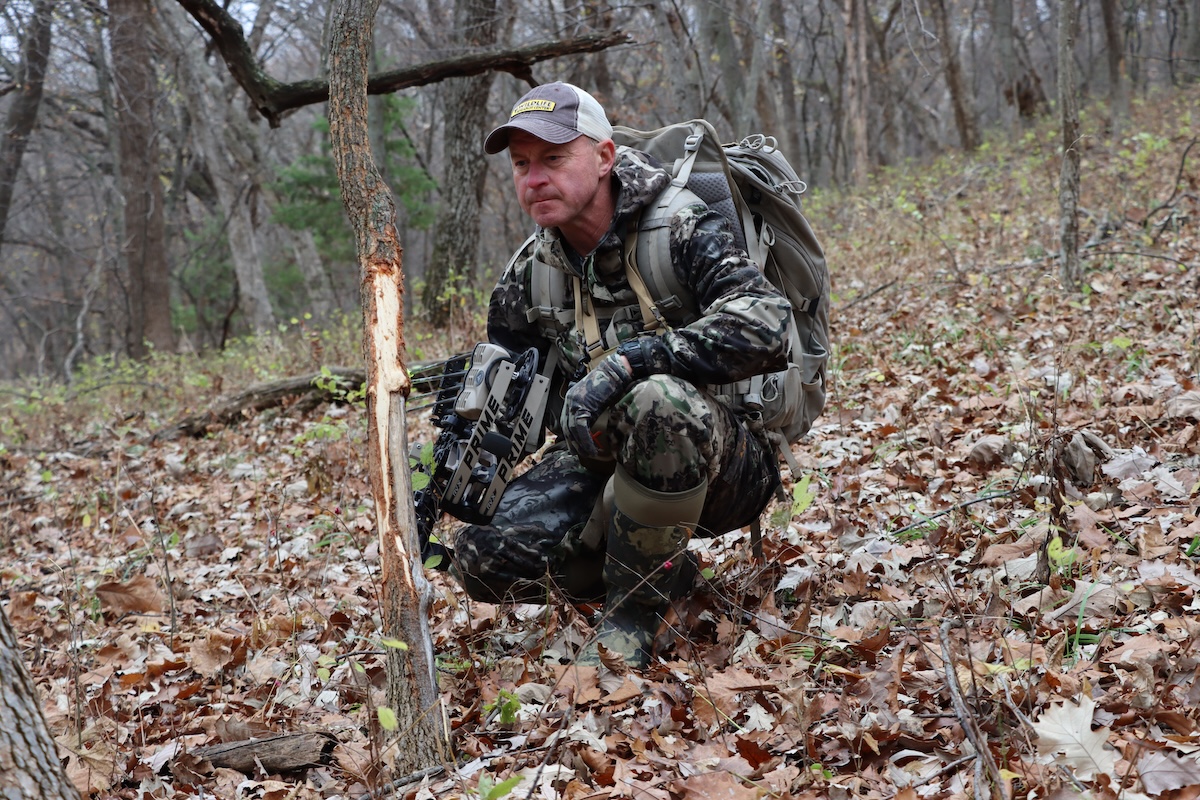
When rut rubs begin showing up, rub lines are great locations to monitor for buck information with trail cameras.
Using Cell Cams in September
Yes, it’s finally time for your trail camera army to pay venison dividends or whatever your hunt goals are for the month. Whitetails especially are on a pattern. Once you discover that pattern, you might need to move cameras, equip them with solar chargers and slip out undetected. Midday visits to food plots with a favorable wind are best. Consider adding your stand at the same time. Days with favorable winds and breezy conditions fuse for cloaking your invasion as you reset ambush sites.
Once you see a pattern emerging with trail camera assistance, take advantage of it immediately. Hunting pressure, harvest, other hunting activities and more can make a hot setup go cold in the blink of an eye.
Using Cell Cams in October
The next two months your trail cameras will play a crucial role. Unfortunately, the first half of October can be dizzying. Why? Bucks go underground and begin moving not only in a more secretive pattern, but they are focusing on new food sources popping up by the minute. A big reasons bucks disappear is due to the acorn or mast drop. Sometimes these hidden buffets allow bucks to feed without ever stepping foot on a food plot during daylight.
When you add this demeanor with the fact bachelor groups are disbanding and mature bucks become more antisocial, you need trail cameras to reveal a few clues to their continued existence. But do not fret. By the last half of October testosterone nears peak levels causing bucks to be irritable and roam. Travel corridors, large scrapes and rub lines become the focus to pattern your next trophy.
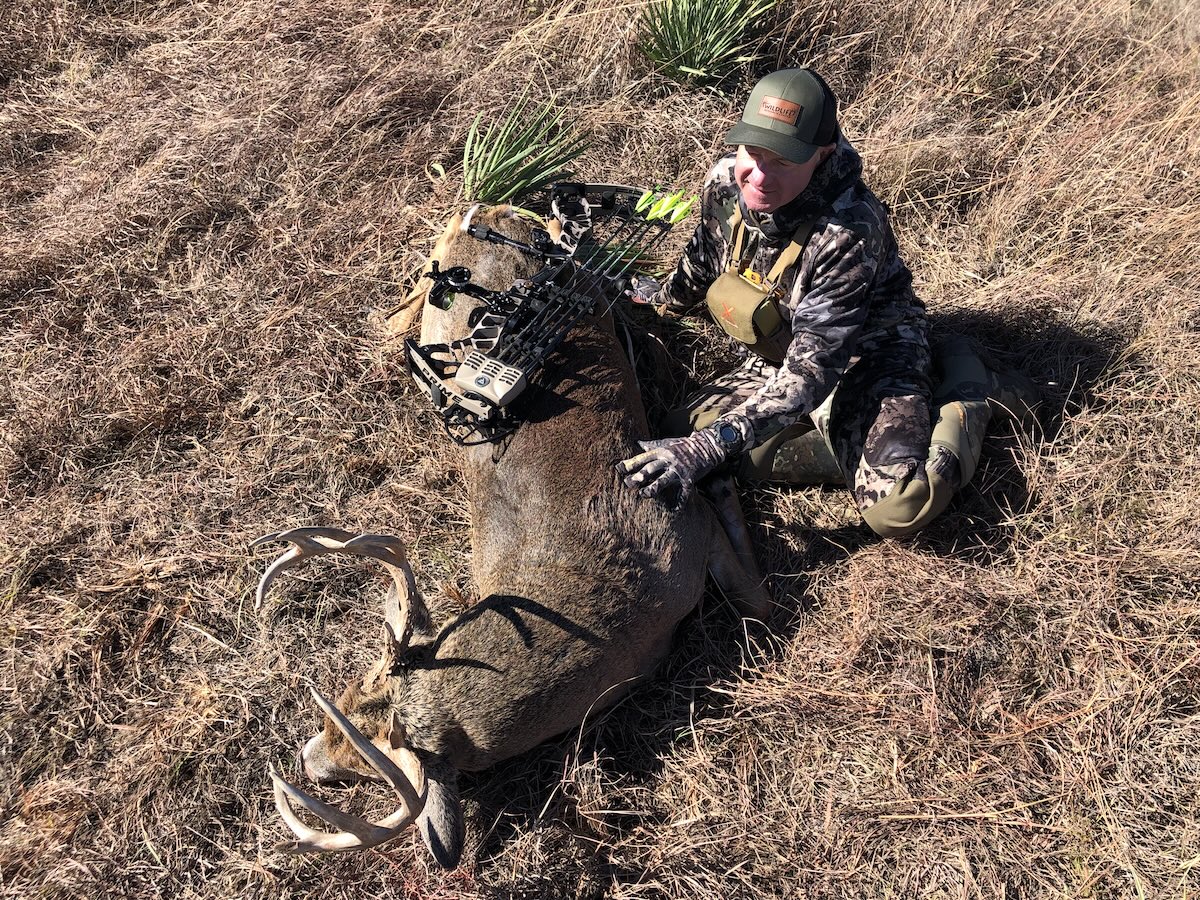
Kayser's mature Kansas 2024 buck was captured numerous times on his Muddy Manifest 2.0 trail camera.
Using Cell Cams in November
November also demands critical teamwork between you and your cameras. The first half of the month, you should be able to track bucks like late October, but once the majority of does come into estrus in mid-month, all patterns go out the window. Bucks begin to roam wider and wider as they search for additional females to breed. They often leave homelands and new bucks often show up unexpectedly. Trail cameras help you discover new patterns that might only last a day or two, but give you brief windows to establish a new ambush with quick stand setups.
By late November the rut begins to wane and again, your trail cameras can deliver images to ensure target bucks return. At the same time, cameras reconfirm patterns, especially to food sources, as deer gorge again to recuperate from the rigorous rut.
Using Cell Cams in December
With the arrival of December deer and other whitetail concentrate on survival. Monitoring food sources and the trails from bedroom cover provides you with information on hunting season survivors. Around mid-month, you might see a short burst of rutting activity as approximately 10 percent of females, mostly yearlings, have not been bred according to research.
After that, your cameras continue with the chore of monitoring wildlife throughout the year. Keep them out. Keep them charged. Keep them working for you. Trail cameras deserve a year-round job.

Hunting late-season whitetails in extreme winter conditions is helped with good trail camera information.
Excellent Cell Cams for 2026
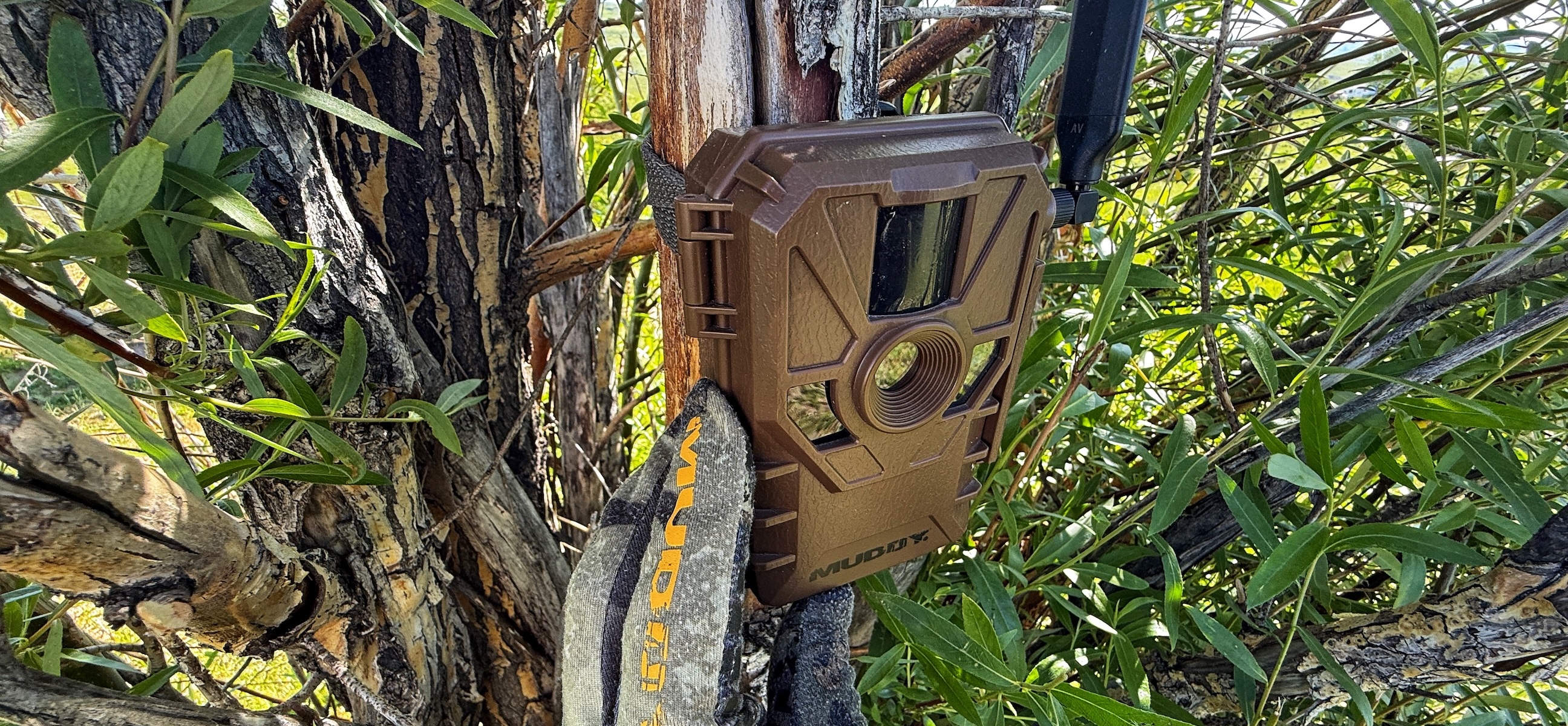
For 2026, Muddy Outdoors delivers three new cameras to consider for your surveillance team. The first impressive addition is the Manifest 3.0 cellular camera. It now features 720p video, plus incredibly sharp images up to 16MP, so you never miss a detail. Camouflaged to appear like part of a tree trunk, it disappears effortlessly and works in silence. You can use AT&T or Verizon as your provider and if no reception occurs in remote areas, the Manifest 3.0 uses Automatic Network Coverage to catch imagery from active cameras. Like its predecessor, the Manifest 2.0, the Manifest 3.0 works in tandem with the Cam Command Pro app that sends images straight to your smartphone in real time. Users might also integrate the HuntStand hunting and land management app for the best in image utilization, plus it provides free camera image sharing.
The second trail camera to consider is the next-generation Mitigator 2.0 Cellular Trail Camera. This camera is offered in an affordable 2-pack purchase that fits the budget of most hunters. With the Cam Command Pro app, you get on demand access to images and photos. Video is delivered with an improved 720 HD capability and includes audio for more insight into what’s playing out at a particular site. These and many more features should have you researching the Mitigator 2.0 that competes with any cellular format out there.

But hold on. Another two-pack option comes in the new Matrix 2.0 Cellular Trail Camera. It boasts Automatic Network Coverage. Plus, it’s ready to go right out of the box thanks to two preinstalled SIM cards. When activated, the camera seeks out the strongest cellular signal, Verizon and AT&T, then automatically connects. You never miss the action with an 80-foot detection and flash range. Plus, it speeds along with a 0.4-second trigger speed. Set your camera for one to six image bursts that are crystal clear with 36 MP images. If video is your game, then you’ll appreciate the 1080 full HD video setting that includes audio.
These trail cameras and more can be viewed in the HuntStand Store. Enjoy significant deals and discounts.