



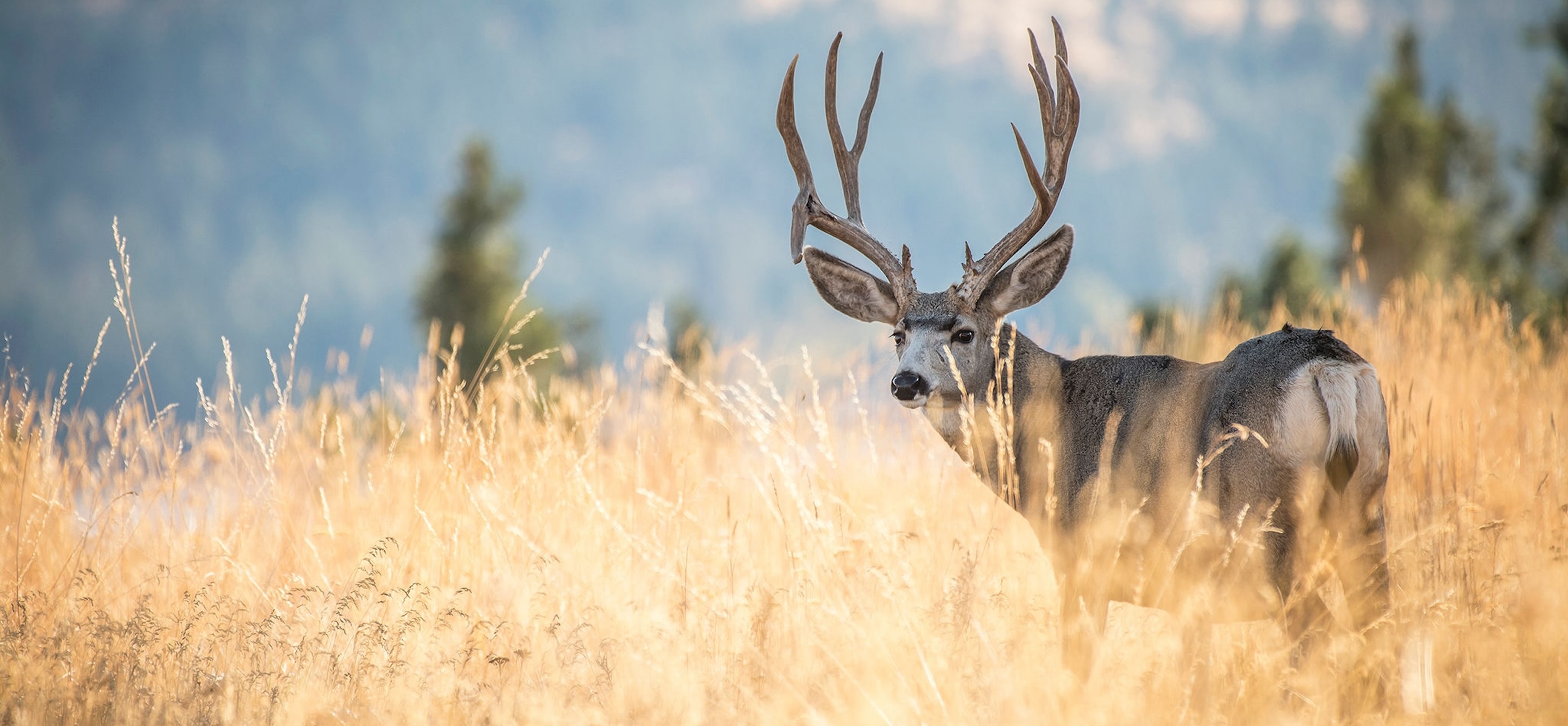

Mule deer are cousins to whitetails, but the similarities diverge from there. If you venture West to hunt mule deer for the first time, understand their different demeanor to forge a path forward for success. Here is how to hunt mule deer — a primer for beginners.
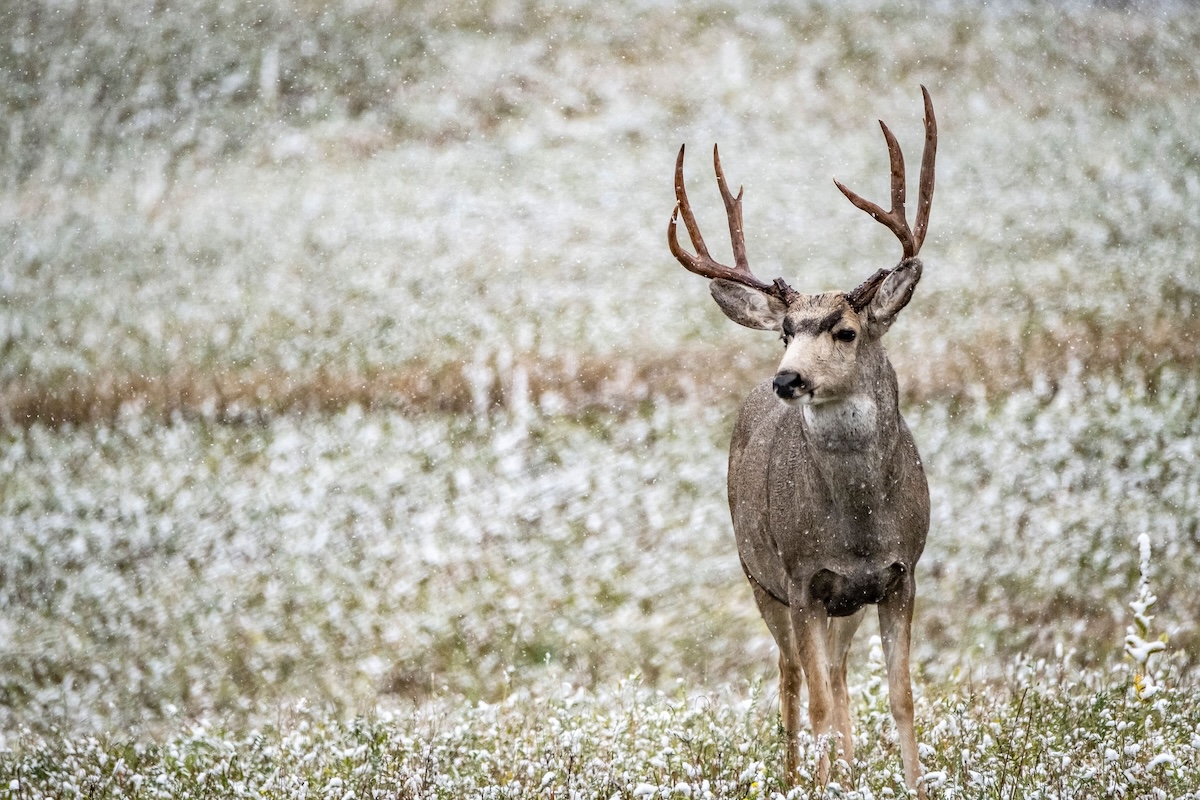

If you do not have an agricultural food source near your mule deer hunting area, talk to local experts on what deer might be feeding on during specific times of the fall.
Mule Deer History
Despite obvious body differences, mule deer and whitetails are genetically related and showcase very similar DNA. Even with almost identical DNA, you wouldn’t know that by looking at the two side by side and viewing their niche habitat preferences.
The late Valerius Geist, one of the most respected North American big game biologists, outlines the deer connection in the book “Mule Deer Country.” His research reveals that mule deer are recent newcomers to the North American continent and are descendants of white-tailed deer. And in case you’re ever in a game of Wildlife Jeopardy, whitetails are the oldest deer species in the Western hemisphere.
Geist theorizes that whitetails flourished throughout North America, finally populating the Northwest coast of North America and eventually contributed to the arrival of the black-tailed deer. This is the first link between whitetails and mule deer.
Over time, less competition and a changing habitat allowed both whitetails and blacktails to expand their populations and range. The two met somewhere in the middle, bred, and mule deer arrived on the scene, providing the second element of whitetail ancestry in mule deer.
So, how to hunt mule deer? Well, that depends.
A Guide to Pronghorn Hunting [HuntClass]
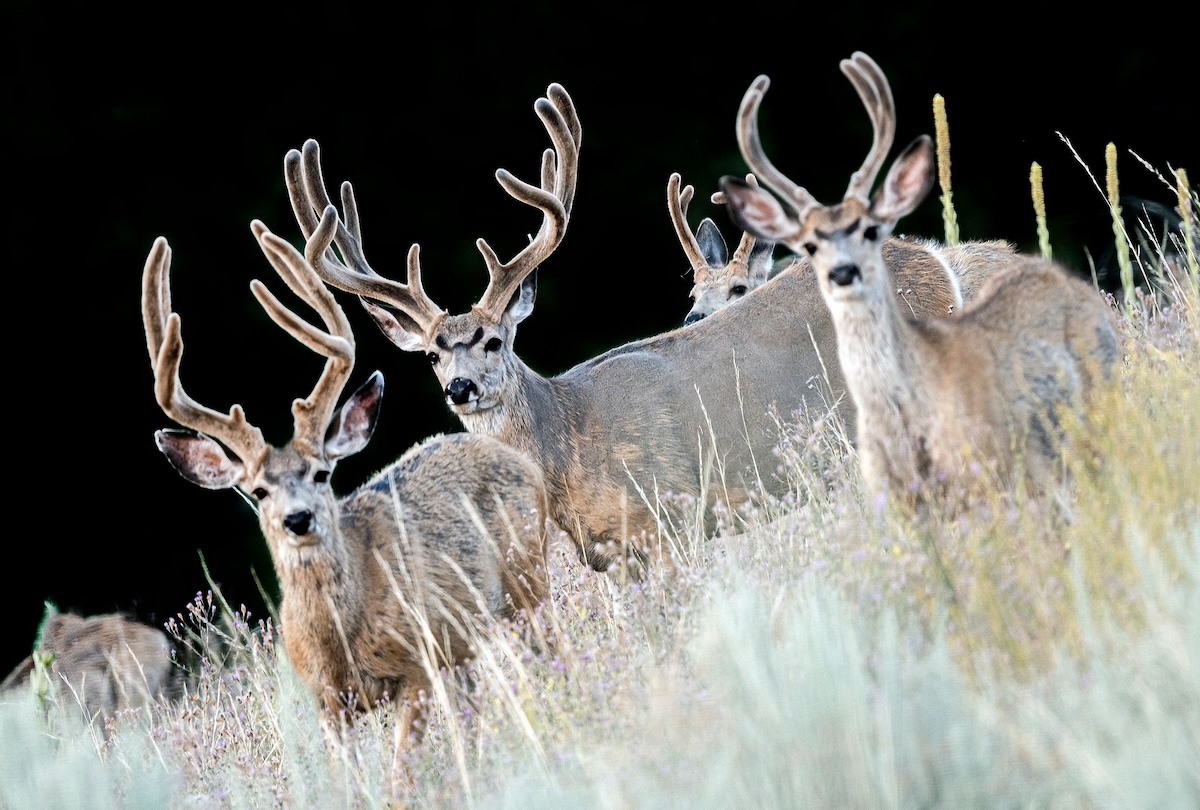
Much of the year, outside of the rut, mule deer bucks travel together in a bachelor group.
Hunting Early Season Mule Deer
For an early-season mule deer hunt, determine the topography of your hunt area. Dissect it to analyze food, water, and cover. Those elements, not females, have influence over a buck’s early season behavior and daily schedule. The female connection comes later — during the rut — with its own set of rules.
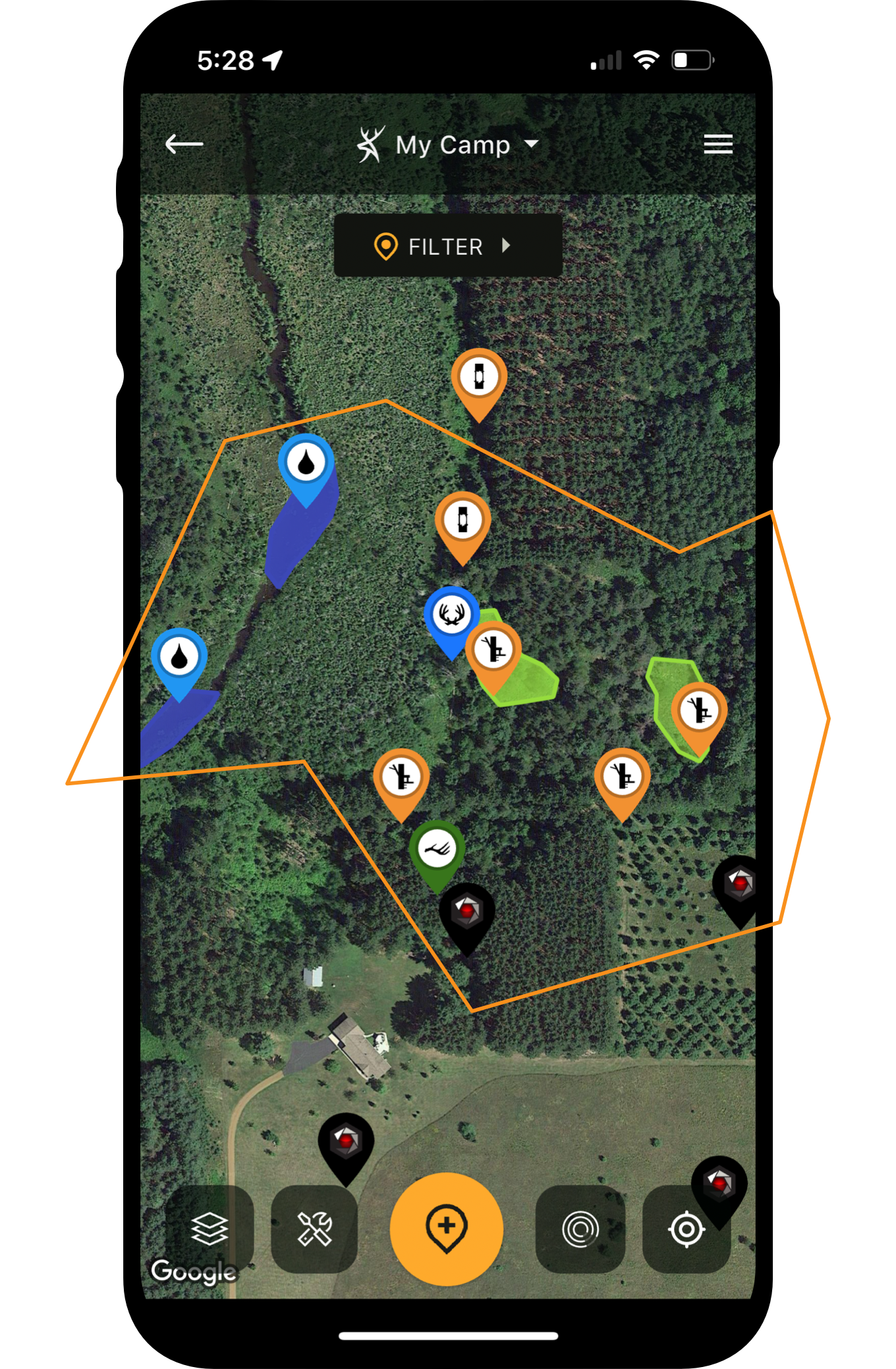
Utilizing HuntStand Pro offers an advantage in scouting virtually or on site for obvious mule deer attractions. Examples include water, irrigated croplands, and dense escape cover, such as a cedar-choked mountainside. Some landowners even plant food plots for mule deer.
Like early fall whitetails, mule deer have a focus on feeding. Rut and winter both take a toll on body mass. In the months prior to breeding season, bucks wolf down as many high-energy calories as possible.
In terrain mixed with hay or croplands, finding bucks merely requires glassing. Alfalfa, winter wheat, cut hayfields, and irrigated grounds all attract mule deer during daylight hours.
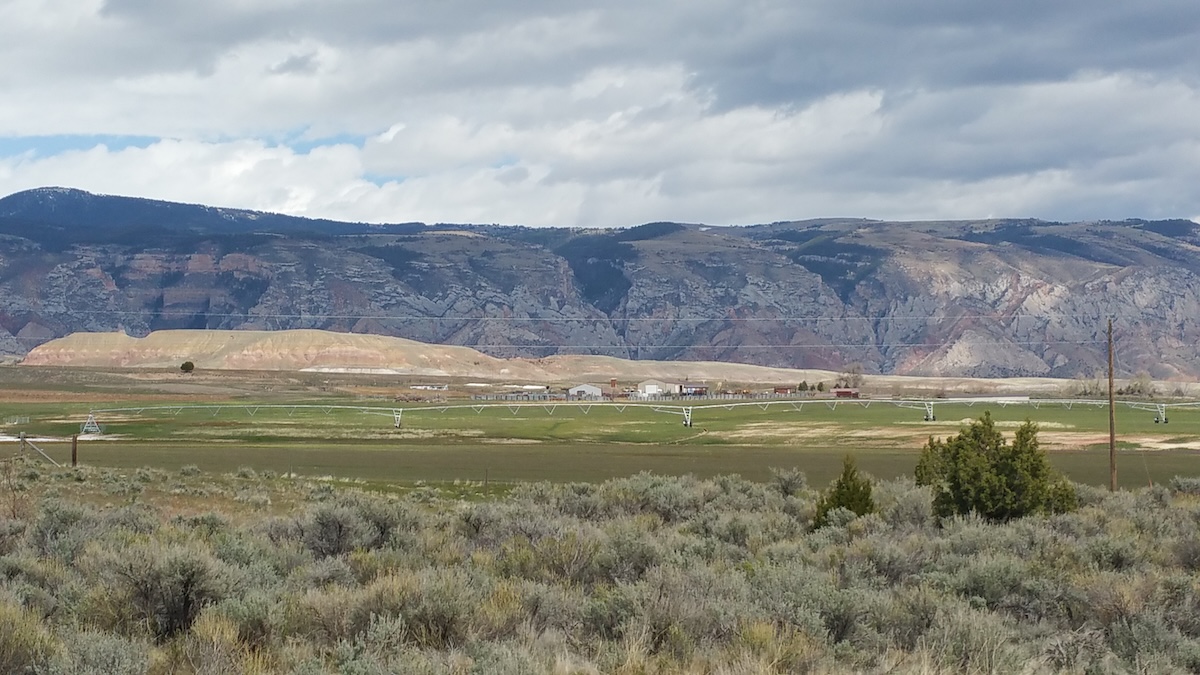
If you discover irrigated or agricultural fields near your mule deer hunting location, pay attention, as deer might use them as a food source.
Mule deer are primarily browsers, and their nutrition palette varies by season, especially when agriculture is not nearby. A browse species desirable in the early season might not have the same attraction after first frost. Glassing might help you determine if deer are nibbling on late dandelions, sawtooth butterweed, bluebell, or other broad-leafed vegetation that still offers green palatability.
The problem is that different environments offer varying browse for mule deer. So, call a biologist who oversees management in the hunting unit. Mule deer could be feeding in alpine meadows 3,000 feet higher than you expected, browsing in aspen stands, or moving on to sagebrush munching in a desert environment.
During the call, query about what habitat deer will be relying on for escape cover. That might be as obvious as deer ducking into the only canyon around, but some habitat is so vague, like a forest of lodgepole pine, that clues from experts are again required. Add those clues to your knowledge that deer frequent open meadows and shy from allotments publicly grazed by sheep herds. Minor aspects count, and when mule deer feel uncomfortable, they have no reservations about moving on.
Onsite insight is good when determining the early season feeding zone and where to find masses of mule deer. Putting the Natural Atlas feature to work on your HuntStand app for topographical information, and then using the 3D Map feature for a virtual flyover, offers invaluable details on mule deer topography.
E-Scouting Public-Land Elk [HuntClass]

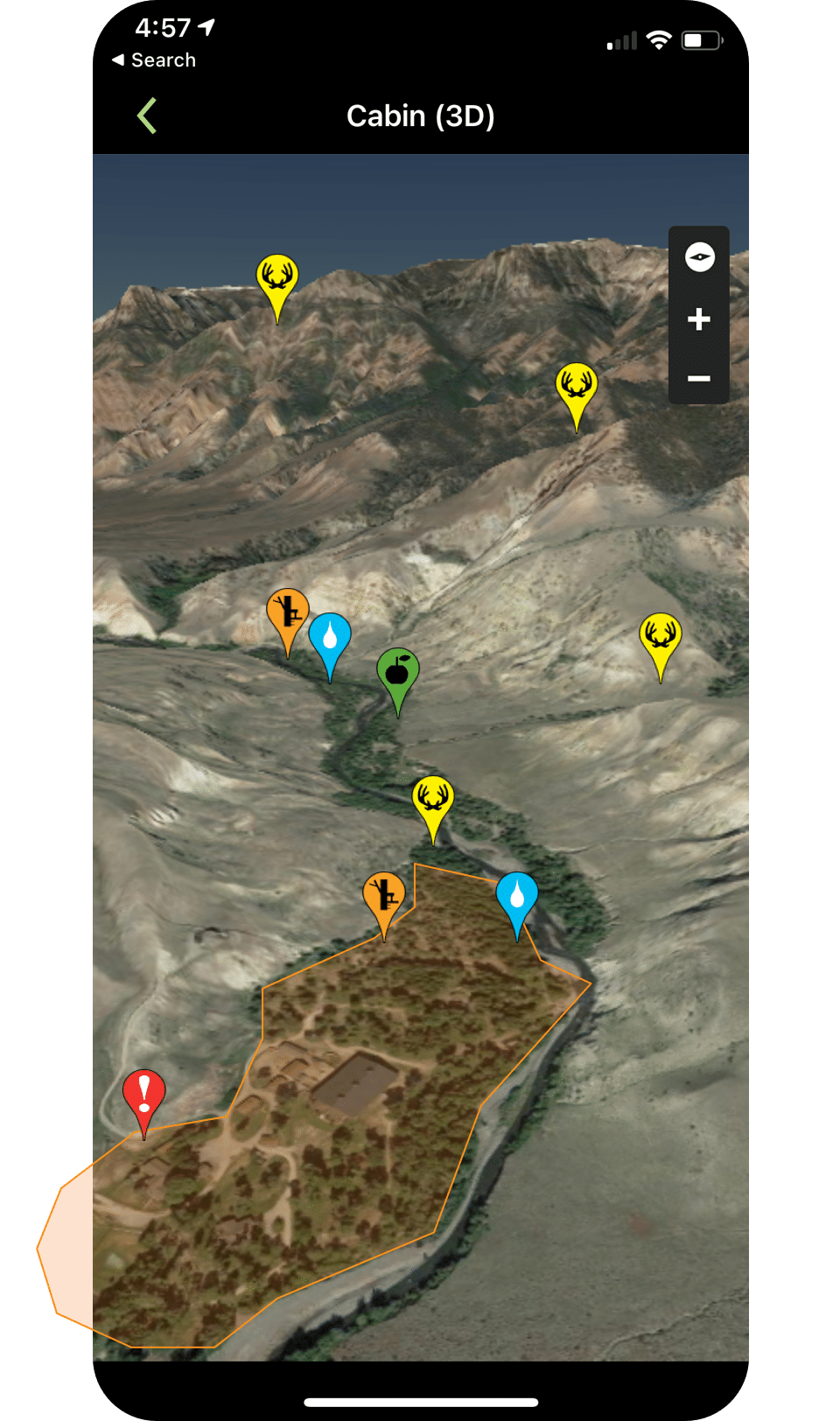
Understanding the steepness of the country and locating water sources is aided by the use of the Natural Atlas and 3D features on HuntStand.
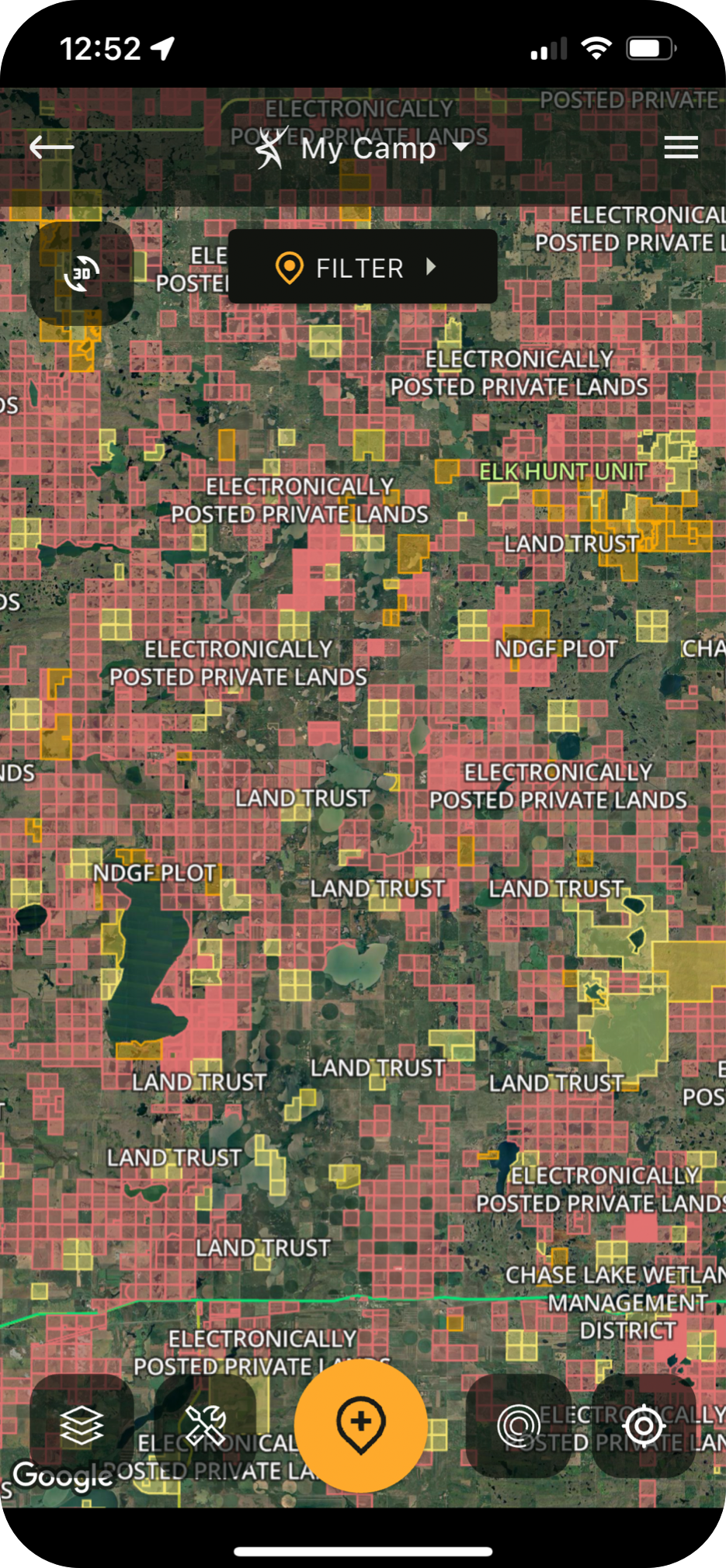
Find places to hunt by using HuntStand Pro.
Even open-country deer can be as elusive as Bigfoot. Some forest environments limit glassing potential, but time behind optics at dawn and dusk is the answer to finding treeless mule deer.
Think about climate and ruggedness. Certain conditions, particularly temperature spikes, spur roly-poly deer to seek shade. In open country, lone trees and steep banks offer the only awning relief. Scrutinize traveling deer to locate their preferred, sun-shielded bedding site and then continue to watch.
Mule deer characteristically move an hour or so after bedding to re-adjust and then move whenever the shade moves to follow the coolness. Even in the high country, you see bucks moving around in massive boulder fields chasing shade.
Water also weighs importantly in the world of mule deer. Unfortunately, outside of desert locations, or in the case of severe drought, water is naturally quite abundant in most environments. Regions defined as a desert, 10 inches or less of rain annually, provide the top opportunity for water ambush, but check for legality first before setting up a blind or trail cameras. Putting the Natural Atlas feature to work on your HuntStand app (for topographical information) and then using the 3D Map feature (for a virtual flyover) offers invaluable details on mule deer topography for potential hunting areas.
A final muley mindset is the bachelor mentality. From September into October, bucks travel in male-dominated groups. These factions begin disbanding as October arrives, but these groups follow a pecking order that asserts dominance while the grouping also aids in security. Later in October, the males separate. Until then, they travel with patternable consistency until testosterone drives a wedge amongst them. Use that pattern of consistency now, because as soon as the rut arrives, mule deer bucks throw it out the window.
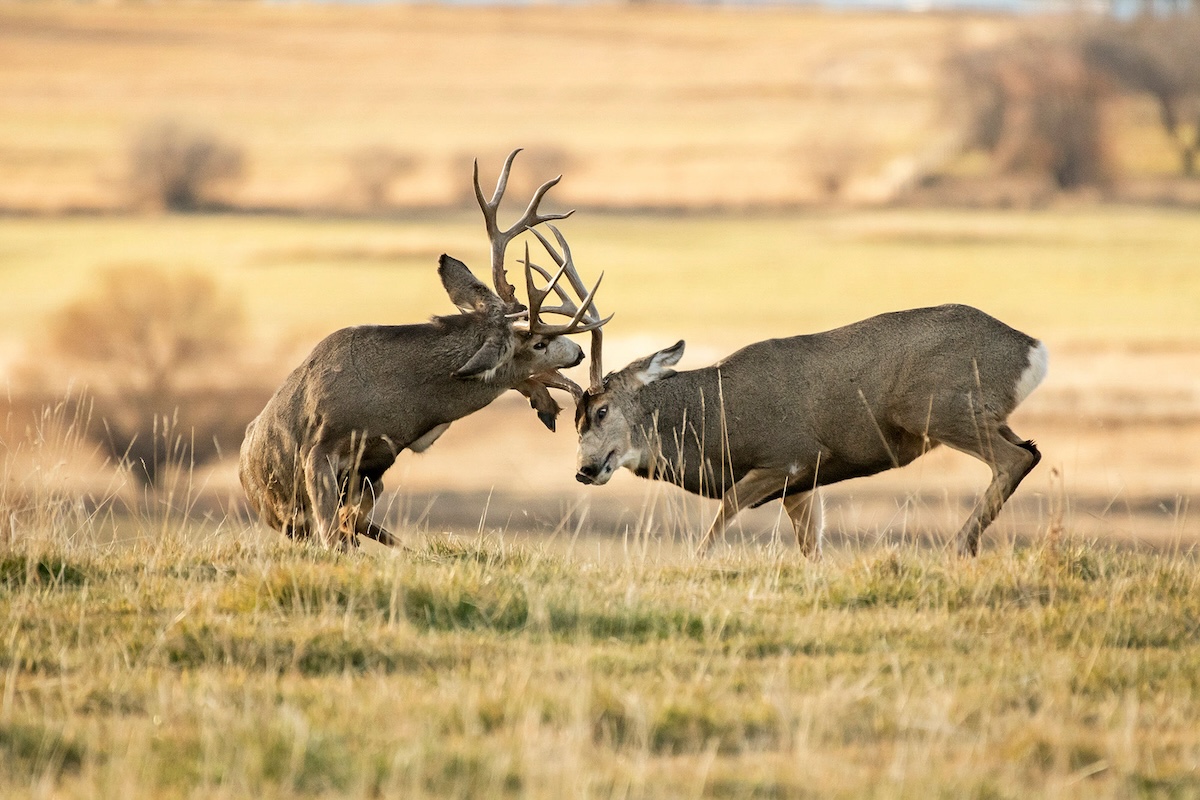
Since mule deer roam, pay attention to neighboring deer as they might cross a property boundary and be on your public land area next. HuntStand Pro’s Property Info feature gives you an overview of ownership boundaries.
Hunting Rutting Mule Deer
Up until the rut, it appears as if mule deer do act like whitetails. They pattern to food, water, and refuge. But here is conundrum. Mule deer rut drastically differently than their close cousins. And even though mule deer embrace some of the rutting behavior of their elk neighbors, they still have breeding mannerisms that are uniquely mule deer. Some of these can make hunting them during the rut straightforward and even fruitful. Other characteristics can be confounding, confusing, and even infuriating.
One rutting aspect you will realize is the habit of urinating on the tarsal gland. Both whitetails and mule deer urinate in a fashion where it runs down the leg and coats the tarsal gland for enhanced aroma. This is where the similarity ends, though. Once the urinating begins, mule deer adopt the ways of elk.
Whitetails allow the urine to drip down their leg and into a scraped-out area of prepared dirt. Mule deer take the urine splatter to another level. They use a bit more pressure that sprays the hind legs and tarsals collectively. This dispersion leads to an incredibly smelly being, like the actions of a bull elk while wallowing.
Why do mule deer carry additional scent on their bodies rather than leaving it in a scrape like the whitetail? The late Geist details the reason mule deer carry urine scent on their body over depositing it in a scrape could simply be from a territorial aspect.
“This behavior might be related to the mule deer’s relative lack of geographic fidelity as compared to a white-tailed deer, and the large areas he traverses,” he said.
Optimize Your New Hunting Property with Bill Winke [HuntClass]

Mule deer bucks do not keep a harem like elk, but they will stay with a group of does during the rut if enough come into estrus.
Whereas whitetails bond with a home territory, despite stretching the boundaries during the rut, mule deer bucks might roam for miles. They have a mission to visit surrounding herds of does in hopes of finding one in estrus. Count this behavior as a negative. Unlike a big whitetail that keeps a somewhat homebody attitude during the rut, a big mule deer might be here today and gone tomorrow. You’ll see that same behavior with elk, especially those that feel daily hunting pressure.
Even so, elk and mule deer differ. Whereas elk bulls command a herd or a harem of cows, mule deer bucks might just disappear and leave doe groups in the dust. They leave females to find a female in estrus. When he finds an estrus doe, he will stay close to her and that doe group, but possibly separating from the herd to breed her without disturbance. You can bet a buck will stay with a particular doe for at least 24 hours. After breeding, though, if another doe is not coming into estrus, he could be off and running again.
The fact that a mule deer buck might roam far and wide to find a willing doe gives you hope every time you hunt during the rut. A new buck might show up unexpectedly at any time due to this wandering tendency. Whitetail hunters cross their fingers that a trophy buck might leave a private-land refuge, but for mule deer hunters, the odds increase, because mule deer roam larger landscapes.
This means a buck you spied on private land might suddenly appear on a public-land tract you are hunting miles away. Use the HuntStand Property Info feature to stay abreast of nearby property boundaries. And, every time you encounter a herd of female mule deer, mark their location on HuntStand. Then, return to check on them sporadically during the hunting season.
Recipe: Blueberry Braised Shank
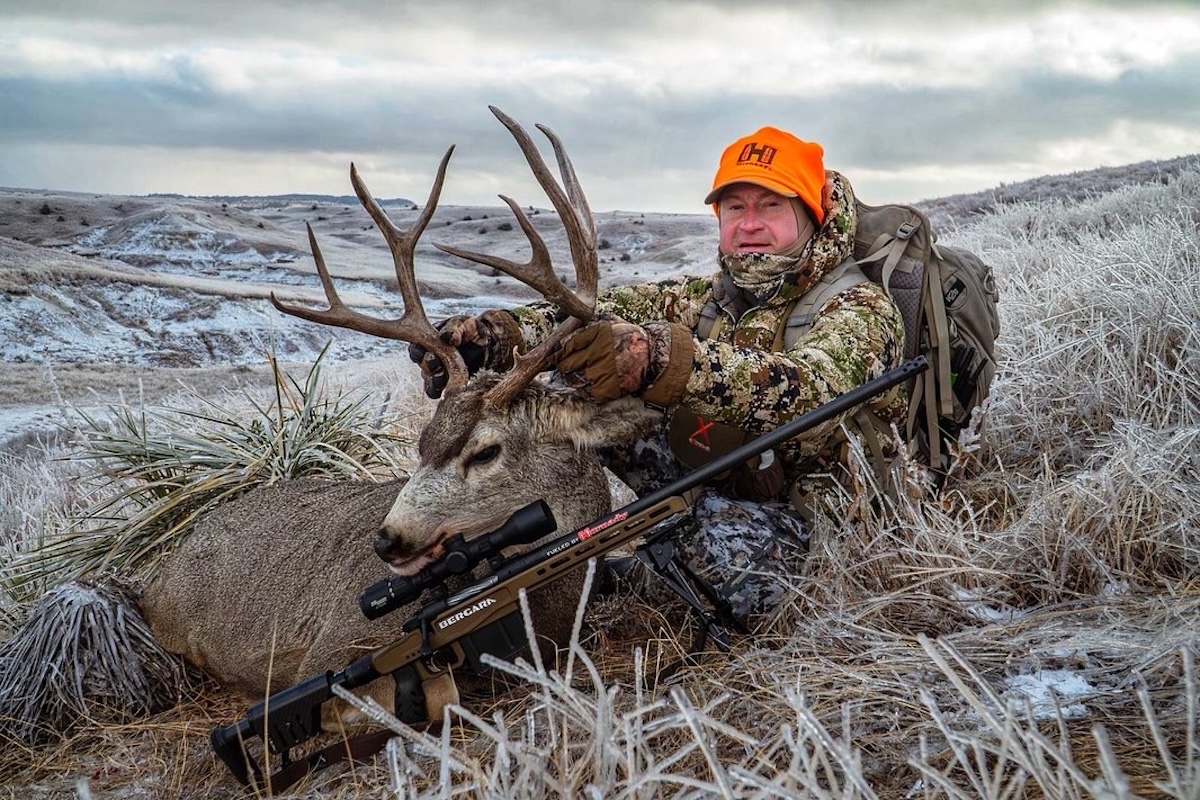
Mule deer are related to whitetails, but lead a different lifestyle than their cousins.
Summing It Up
In brief, once you understand the makeup of a hunting unit in the early season, look for patterns. Later in the rut, hunt doe groups and stay positive. A fork-horn buck might run a doe group one day and a giant the next.