



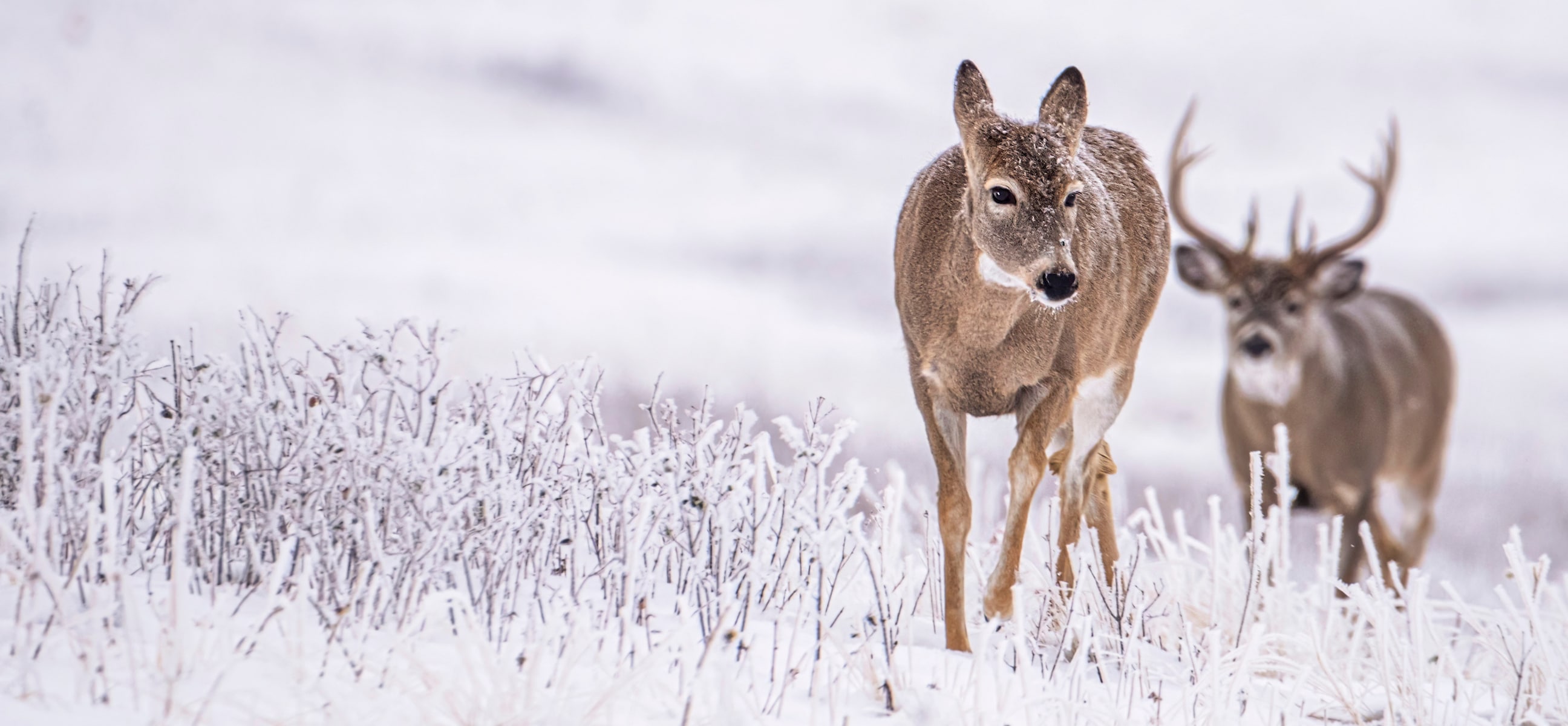

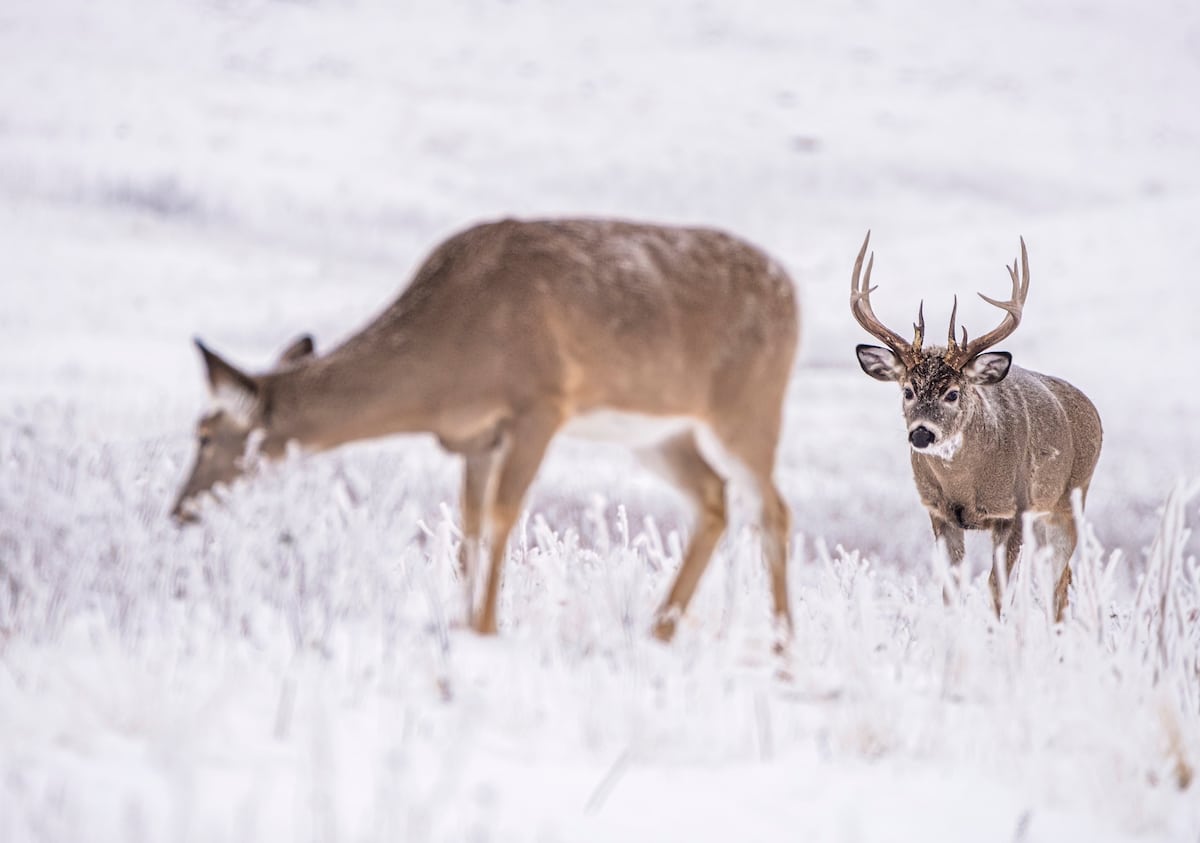

Doe groups can be great to hunt near during the rut as bucks search for another estrus doe.
The rut is the main event of whitetail season. Every year, deer hunters are dying to know the best rut times to spend in the woods. The whitetail rut offers a window to take advantage of a weakness in a buck’s security system. However, did you know the rut encompasses several distinct periods, each with its own characteristics to focus on for success?
As you’re mulling over the calendar for days to fit in a rut hunt (possibly a week or more), consider the progression of the whitetail breeding season. Each period triggers different types of deer activity that could influence your preferred hunt style or tactics. Review the different traits of each rut phase and see what makes the most sense for your hunt schedule.
Help comes in the way of HuntStand’s Pro Whitetail subscription. This investment opens a world of information that is specific to the county you hunt. Additionally, you receive all maps, layers, features, and toolsets that are included in the Pro upgrade. Pro Whitetail also includes a 7-day Whitetail Activity Forecast, Peak Whitetail Movement Times, Annual Rut Map, and Whitetail Habitat layers.
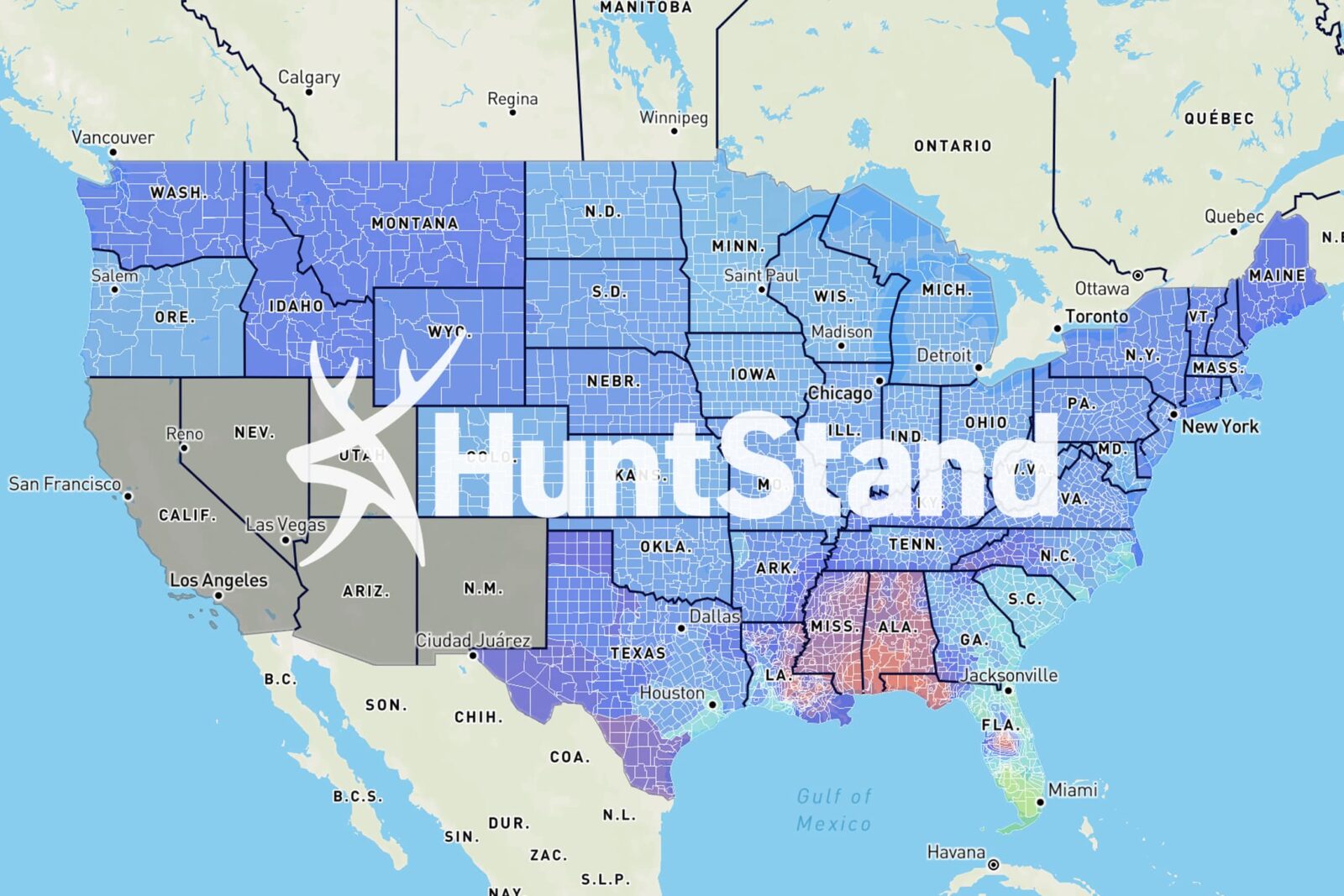
HuntStand’s Whitetail Rut Map
A groundbreaking feature for HuntStand Pro Whitetail subscribers, the first-of-its-kind Whitetail Rut Map is an incredible resource for deer hunters. It compiles and presents rut timeline data for almost every whitetail county in America, which is powerful knowledge for deer hunters.
To obtain this data, HuntStand partnered with each of the state wildlife agencies. In doing so, accurate rut timeline info for the entire country was gathered into one database. Now, deer hunters who just want to know when the rut is at home, or those who travel to hunt, can use this resource to determine current and upcoming deer behavior, all based on historical data.
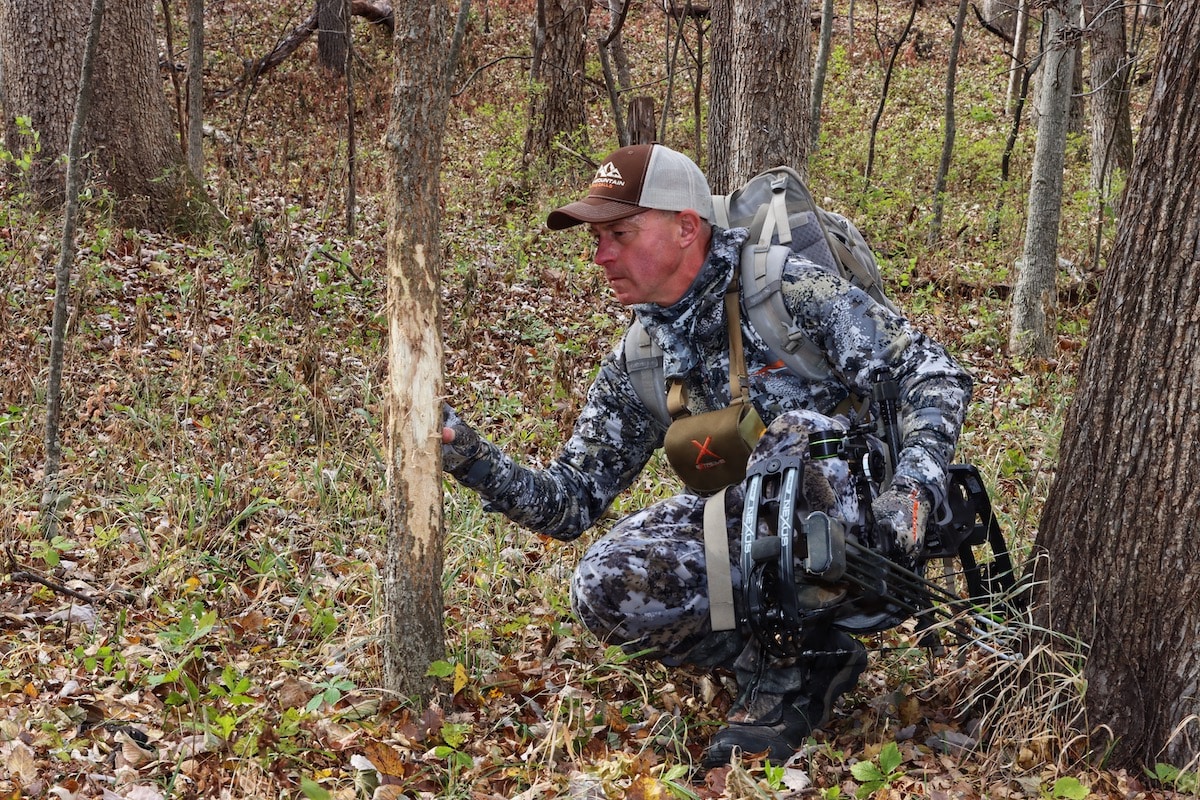
When you start to see rubs and scrapes with consistency, get ready for the rut to explode.
The Pre-Rut
By the end of October, a buck’s cup overflows with testosterone. They max out approximately one week before most breeding commences. This makes them edgy at best.
This anxiousness bodes well for you, as bucks begin moving more in daylight hours, but with patterns and regularity. The full-blown rut is a week or two into the future. Even so, these new behavior changes kick off the security system breakdown in a buck’s life.
Did you struggle to pinpoint patterns in early-October whitetails? Did you fail miserably when bucks shied from the public view during the midmonth transition? Fortunately, the pre-rut gives hope. In fact, nearly every buck strategy works in this first period. Bucks respond to scents, calls, and decoys, especially as they seek out their first breeding experience of the year.
The best part is that bucks maintain a pattern … but only for a short while. Of course, that goes out the window once an estrus doe appears on the landscape. Soon after, the dreaded perception of a lockdown clouds your hunt. Instead, pre-rut bucks heavily patrol their territory with visits to food plots, agricultural fields, bedding cover, and stopovers in the highest doe density groups in the area.
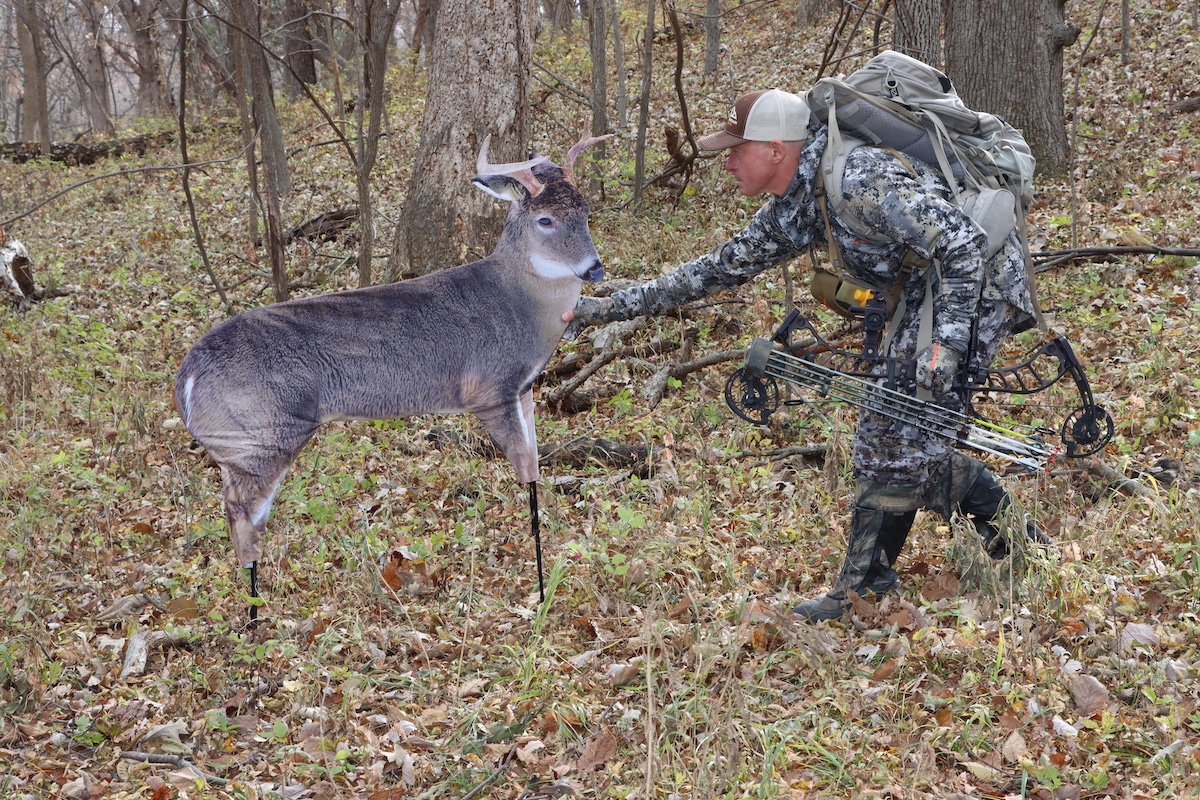
Deer calls, scents and even decoys, especially buck decoys, work great throughout the rut, but particularly in the pre-rut.
You likely realize all these locations with trail camera assistance. These also aid in scouting buck movements with rub and scrape clues. They begin appearing everywhere bucks roam, giving you breadcrumbs to follow along with the intel captured by your trail cameras.
With this information fresh in your mind, weigh your options for time off. The pre-rut has slowly gained traction as a top period to hunt. It’s even in competition with the peak rut of mid November.
Don’t believe me? Consider my hunting partner, Levi. He has drawn a Kansas archery license for five consecutive years. In those five years, he has sat in a stand only 12 times. This all unfolded in the days leading up to Halloween, with a couple of hunts just a day or two after. In five years and 12 sits, he’s tagged five mature whitetails with his bow. Yes, the pre-rut should receive serious consideration.
How to Speed Scout with HuntStand Pro’s Monthly Satellite Imagery
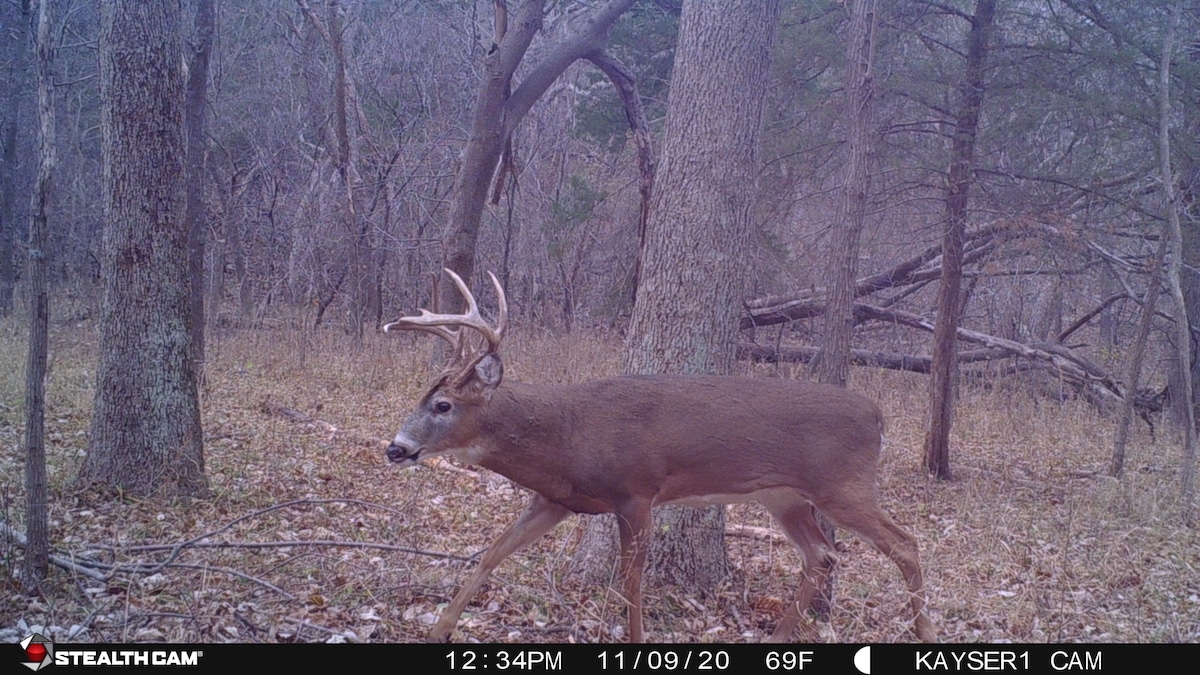
Trail cameras help identify the current phase of the rut.
The Peak Rut
Historically, I typically chose the mid-November rut hunting window. Why? Bucks were running crazy from doe to doe. A random buck — hopefully a bruiser — could appear at any minute thanks to bucks roaming for a lockdown situation. (For those unaware, the lockdown phase is the historical reference for when the bulk of does are in estrus and hunkered down, thus decreasing buck movement.)
Furthermore, documented studies confirm that the peak of the rut is determined by photoperiod, or the amount of daylight occurring during the fall. Decreasing daylight hours not only fills a buck’s testosterone tank but also sparks egg release in does. This schedules and synchronizes a small breeding window of a week or two. This system ensures the landscape is bombarded with fawns during prime spring conditions and overwhelms predators in one huge maternity event.
Of course, to complete the task, whitetail bucks must throw all semblance of a normal lifestyle out the window and run until they get the job done. That removes them from a reliable pattern, removes them from home territories, and creates uncertainty in your hunt. Toss in the lockdown (which new GPS evidence reveals is not a true lockdown at all, but more randomness), and you could debate the breeding season is not a good time to hunt. That said, you would be wrong. You just need to consider new hunting strategies.
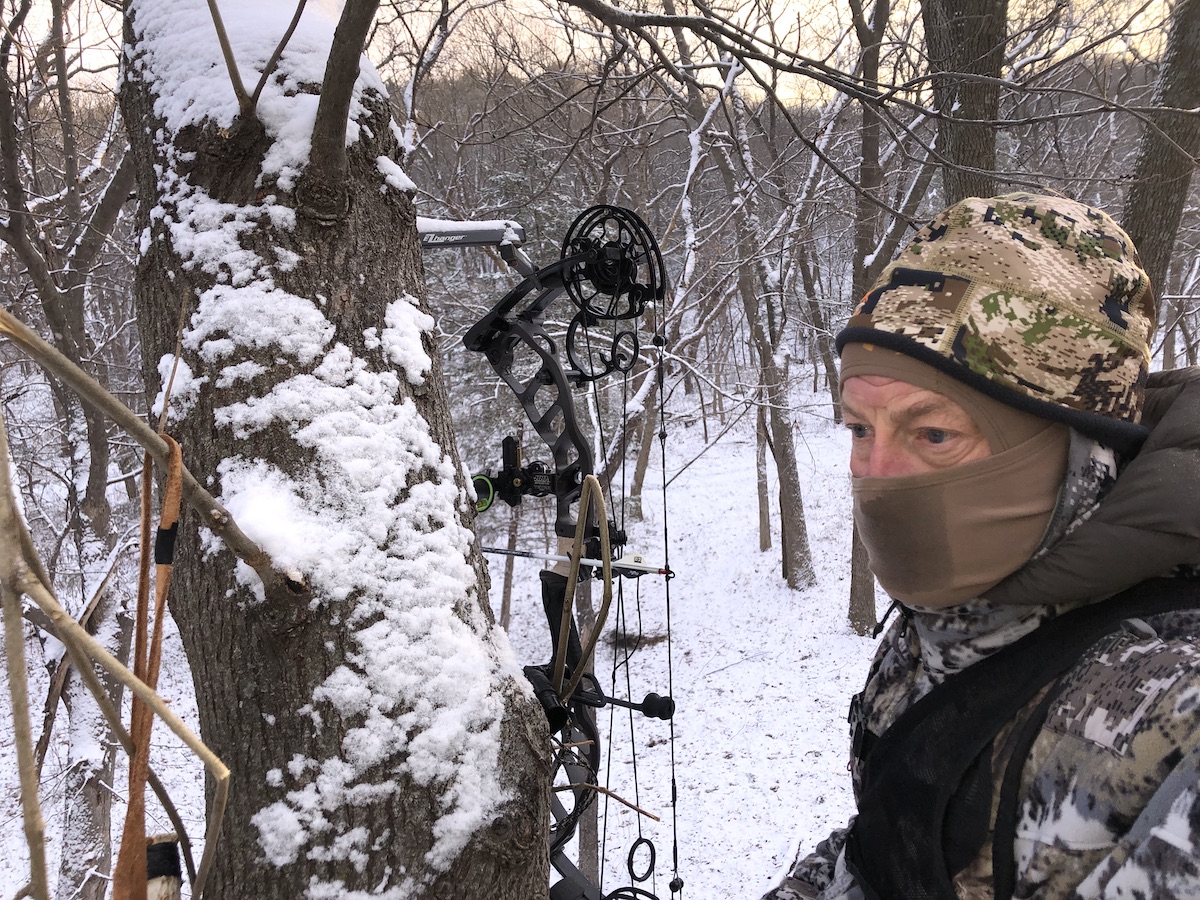
When breeding begins (the period many refer to as the lockdown), deer sightings can go down.
First, focus on doe groups and places you saw a target buck in the pre-rut. Research indicates that roaming bucks eventually return to their home territory after wandering a few hours or days. Doe groups also have magnetic powers to pull in neighboring bucks looking for estrus does. A surprise stud could show up unexpectedly. One of my top archery bucks appeared in that fashion after no confirmation he lived on the property.
Finally, consider hunting offbeat locations. Bucks and estrus does often escape to locales void of other deer to find peace for consummation. Having three 2 ½-year-old bucks hassle you in the middle of business makes business … difficult. Review dark hollows, abandoned farmsteads, grassy uplands and other unconventional sites that could offer serenity for a deer couple, and a great stand site for you. Fly over your hunting property using HuntStand’s 3D Map feature for a great view to pinpoint a lover’s lair.
The middle or breeding phase of the rut definitely includes chaos, but that chaos could pay off big on a lust-crazed buck showing up in an unknown territory under your stand.
Blood Trailing Deer with Confidence
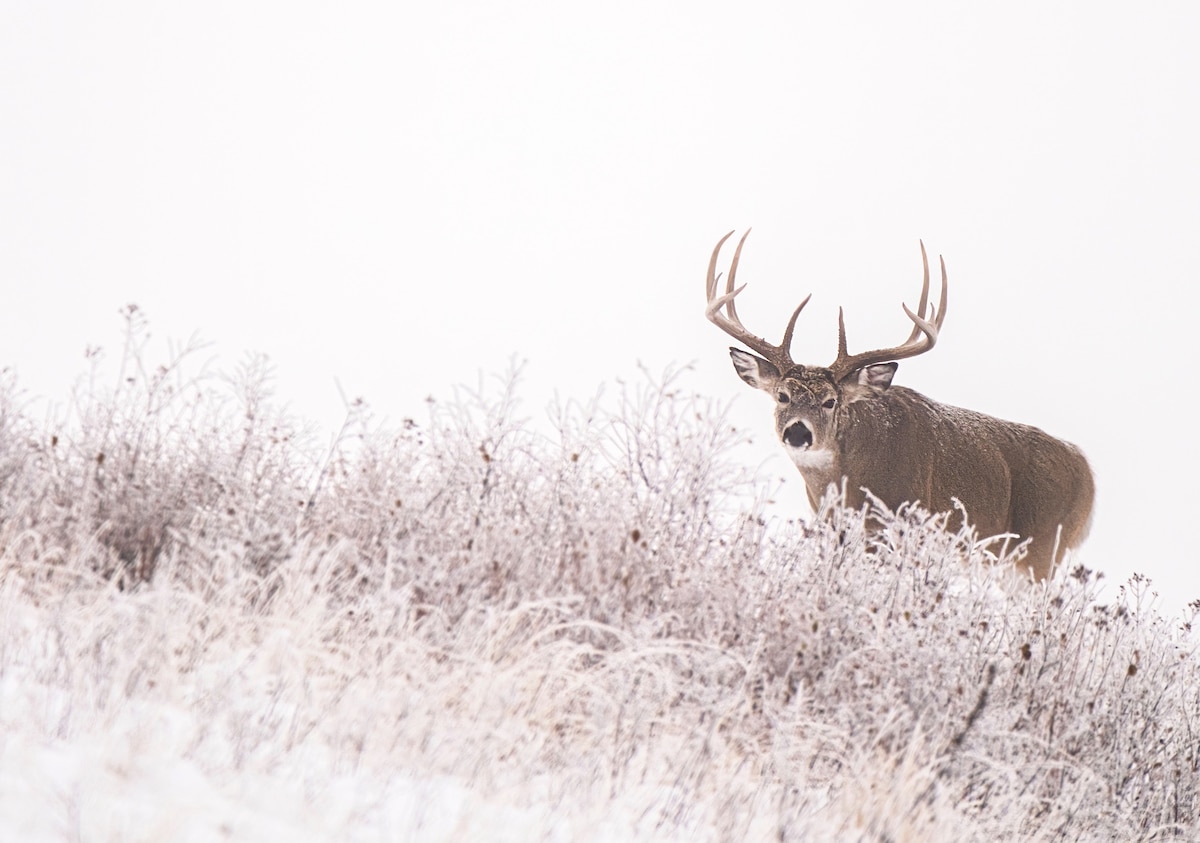
Even though rut action might slow in the waning days of breeding, it can explode and sometimes mature bucks make tragic mistakes. Keep hunting!
The Waning Rut
There are numerous reasons that the tail end of the rut gets a bad rap. Many bucks have already made pilgrimages to freezers, rut activity is beginning to wane, and in many regions, winter’s worst rears its ugly head. Add to that the ease in being sidetracked by Thanksgiving and NFL viewing.
Put those bad thoughts aside and drop the drumstick. The conclusion of the rut presents just as many bonuses. Sure, there might be fewer deer around due to the success of others, but typically, the hunting crowds diminish late in the rut. In addition to fading enthusiasm, the Thanksgiving gatherings sideline many. And although testosterone begins to dip in whitetail bucks, remember, they only breed once a year. The last push to find an estrus doe drives many toward riskier behavior than even during the main breeding season in mid-November.
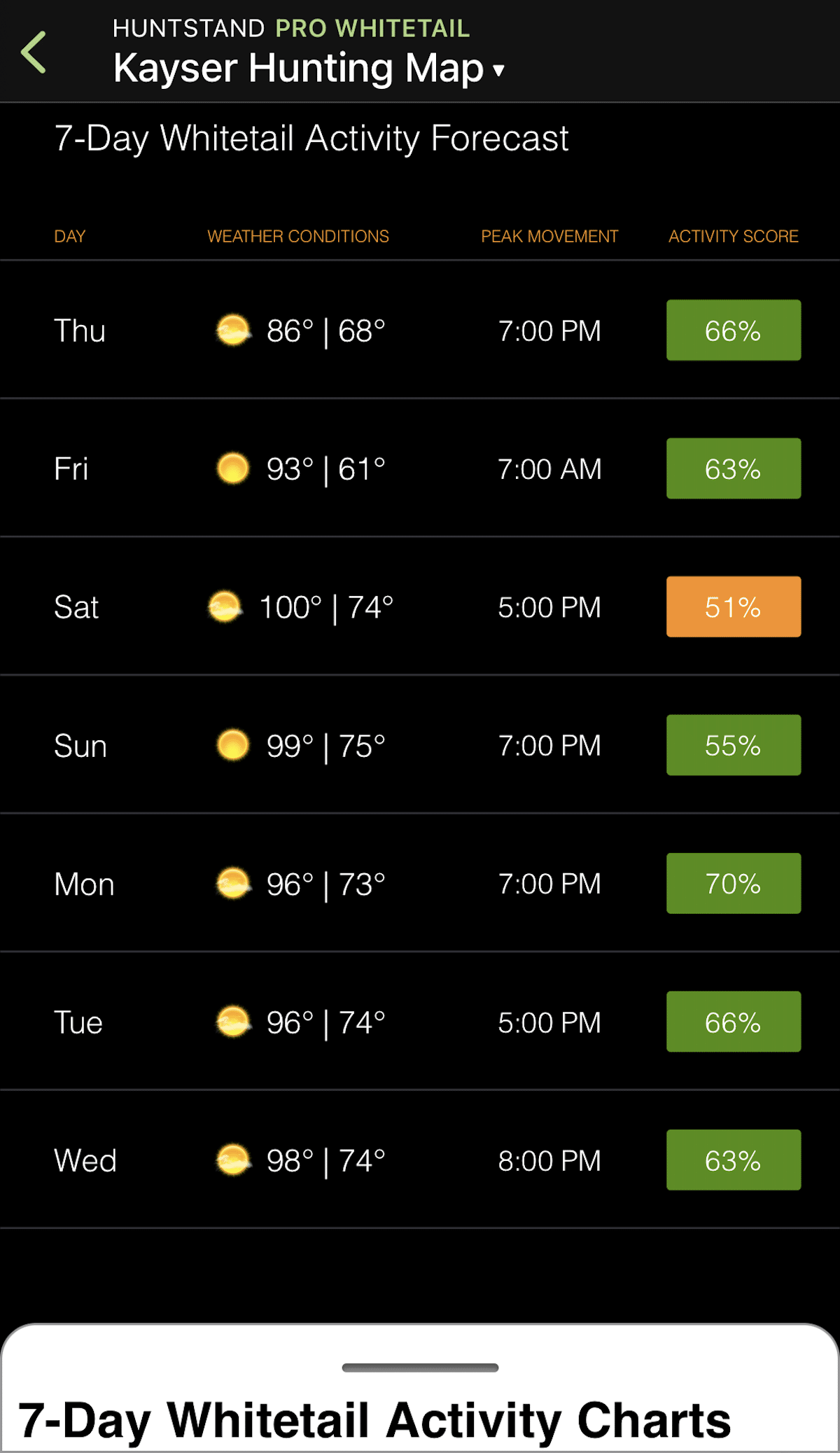
HuntStand’s 7-Day Whitetail Activity Forecast gives you great information to plan your rut hunt.
According to research from the Penn State College of Agricultural Sciences, more than 85 percent of females have been bred by the end of November. That fact means bucks need to work harder and roam farther. It is a race of time for those bucks and you. In addition to dropping testosterone levels that suppress breeding urges, bucks have lost up to 20%, or slightly more, of their body mass.
Eventually, they will drop out of the breeding race for survival reasons, but I have witnessed some of the best hunting in the week around Thanksgiving. Many of my best whitetail bucks were taken within a day or two of Thanksgiving. Most were in hot pursuit or hot hounding for one last hookup. Because of that, don’t overlook the pre-second-rut and second-rut phases, too.
Next-Level Deer Hunting with HuntStand Pro Whitetail
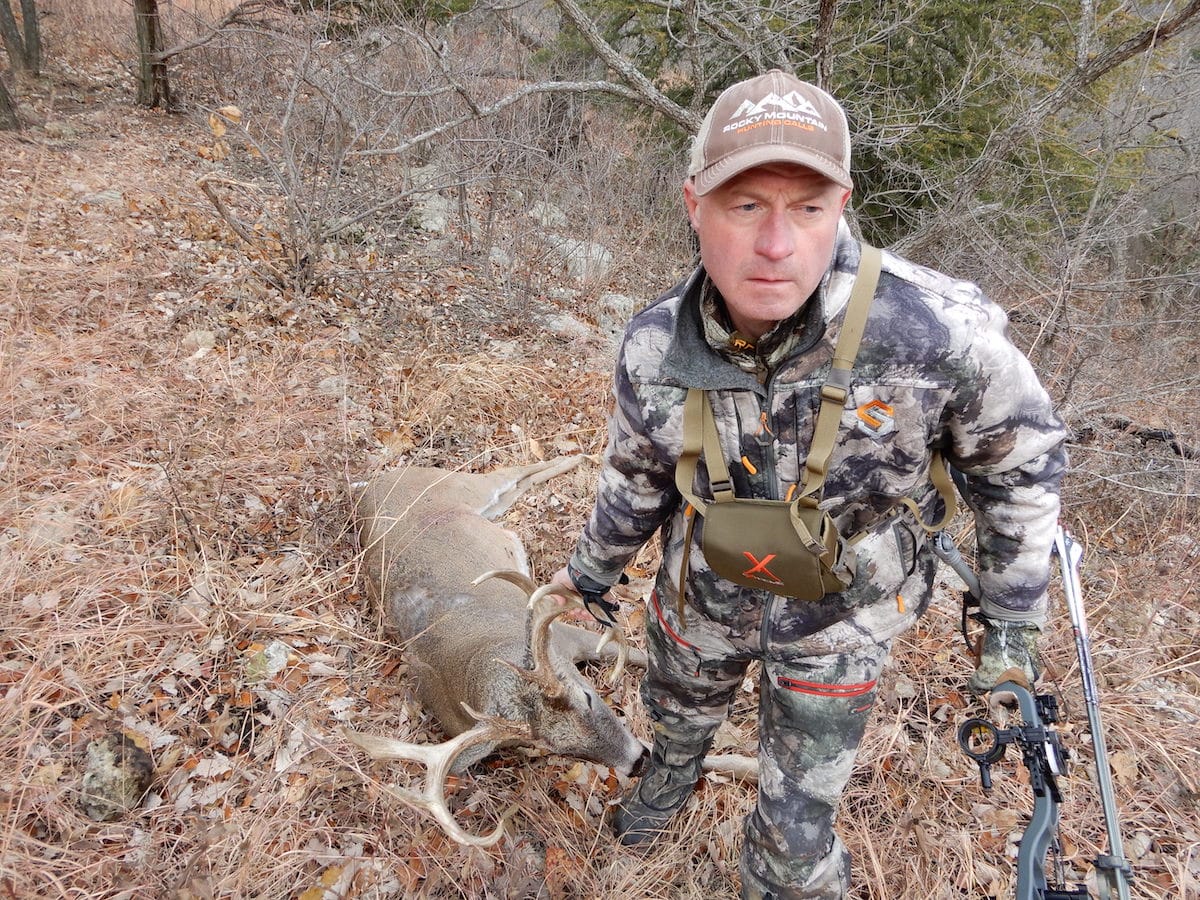
Mark Kayser has hunted the rut for more than nearly four decades and understands that each phase of the rut has a strong point.
The Calming Storm
Best of all, as bucks begin feeling the grind of a long rut, they gradually transition back to home territories and possibly a regular schedule that resembles the pre-rut. Bucks begin to settle on food sources to recharge and follow a pattern with the occasional relapse into rut chasing. Your map objects and notes on HuntStand for the pre-rut could pay off in a crucial way as bucks return to a life of mere existence after the rut.
What phase of the rut you choose as your period to burn vacation time includes a myriad of family and career considerations. Nevertheless, understand that each phase of the rut offers an advantage. Tweak your strategy, be flexible with your tactics, and spend as much time in the field as possible to take advantage of this once-a-year phenomenon.
UPGRADE TO HUNTSTAND PRO WHITETAIL