



Coyotes thrive across North America. In many places, with their abundant inhabitation, you could throw a dart at a map and go to that exact spot with the likelihood of calling a coyote. That noted, if you wish to increase your success with the limited time available to hunt coyotes, develop a roadmap for possible calling sites. To create a successful roadmap, follow the simple lifestyle of a coyote to lead you to the best spots to call winter coyotes.
Like Dracula, these toothy predators often retire to undisturbed thick cover for daylight security.

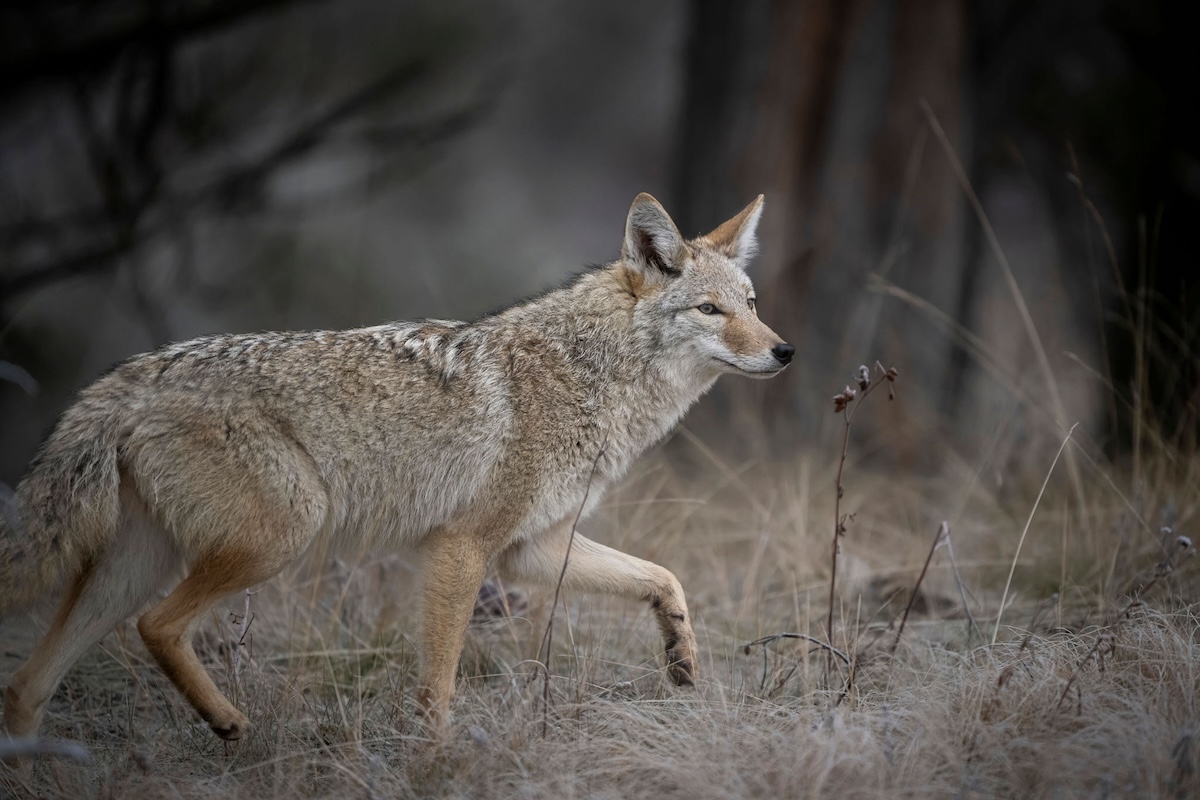

Understanding where coyotes travel, and where their final destination is, helps you find great calling locations.
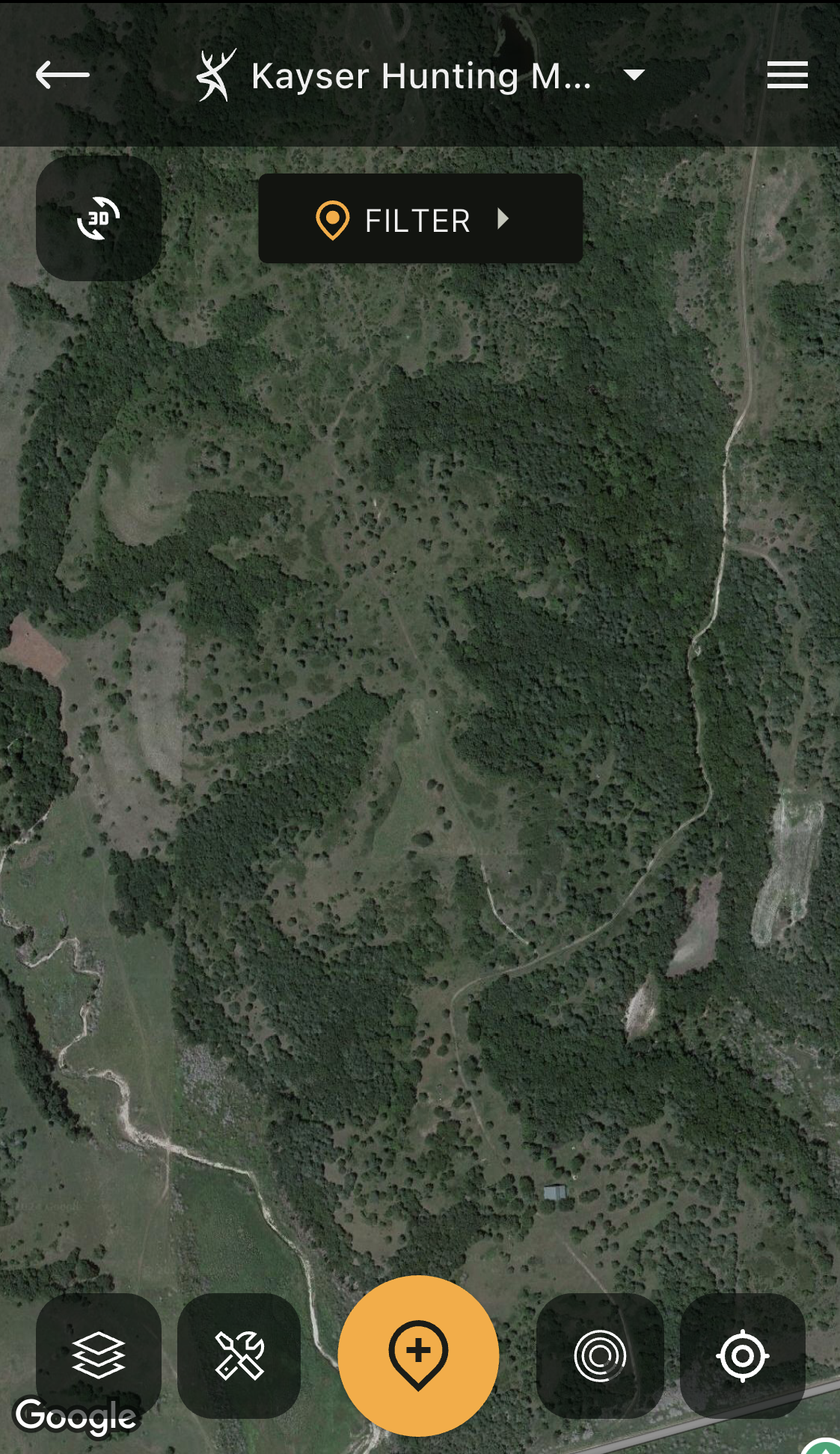
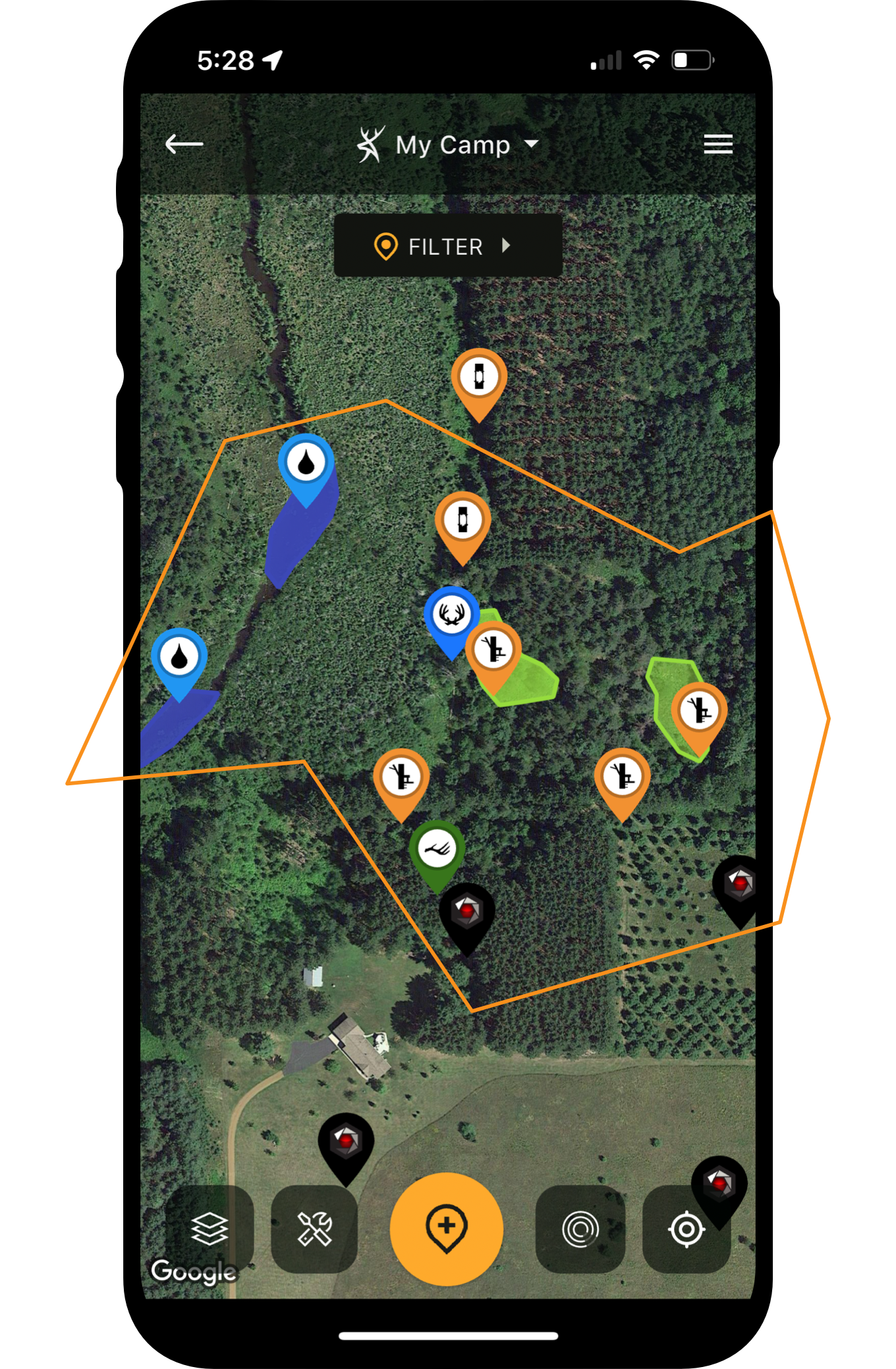
The HuntStand Hybrid Map shows landscapes and roadways to give you an idea if coyotes might avoid an area due to human activity.
1. Coyote Travel Routes
Start with what coyotes do best: travel. Depending on the region of the country, coyotes can have a home range of 3 square miles or more. Throughout this territory, they travel to and from for hunting, refuge, and social connectivity. Narrow down popular travel corridors and immediately the best calling sites begin to emerge.
For an easy starting point, think path of least resistance. Farm and ranch roads, two-track trails and heavily used livestock paths provide easy routes for coyotes to follow. To verify predator travel routines, stop and ask landowners or hired help about what they’ve seen. Even if they don’t hunt predators, they likely have seen coyotes in nearby pastures. These sightings can reaffirm your hunches or lead you to a new predator oasis. And, from time to time, don’t forget to jump out of the truck to do whirlwind tours. Stop and inspect cattle trails, two-track lanes, fence lines, gates, and water sources for tracks and scat.
In agricultural country, coyotes consistently use fence lines as a route to follow. It’s estimated that American has more than 52 billion miles of fence, most of it installed during the 20th Century. In addition to fences, landowners incorporated hedgerows, stone walls, and even brush piles from cleared fields to define property boundaries. These periphery borders provide the connectivity between adjacent blocks of cover. Coyotes look to weedy fence lines, old hedgerows, and the likes for travel ease and cloaking features just the right size to hide them.
Wintertime Gray Fox Hunting Tips
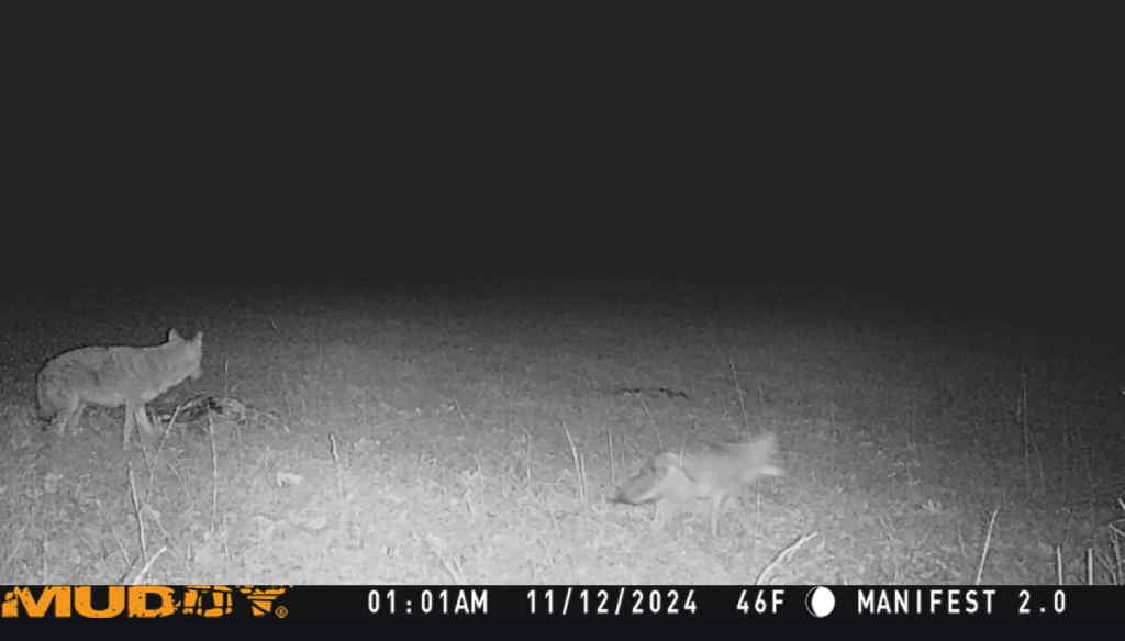
Trail cameras can be a boon in helping you uncover coyote patterns.
Coyotes in timbered settings might still follow a fence, but look for them to use other manmade manipulated corridors. Landowners, utility managers, and timber companies carve out corridors for access to fence repair, utility maintenance, and forestry operations. These openings carve out easy pathways for all species to follow. Don’t overlook Mother Nature’s highways that include rivers, creeks, lake shores, and the edges of natural openings.
In all instances, trail cameras can provide actual intelligence on a suspected travel corridor. Set the trail camera at coyote level or point it down to a trail. Use coyote urine or another scent at junctions to stop coyotes for images. Finally, consider using a cellular trail camera to avoid time wasted checking SD cards and to minimize disturbances in a good hunting area.
The HuntStand Hybrid layer reveals many manmade and natural coyote corridors, but the easy-to-read Natural Atlas layer displays trails and developed roadways. Use it to find coyote corridors and places coyotes might avoid due to too much activity.
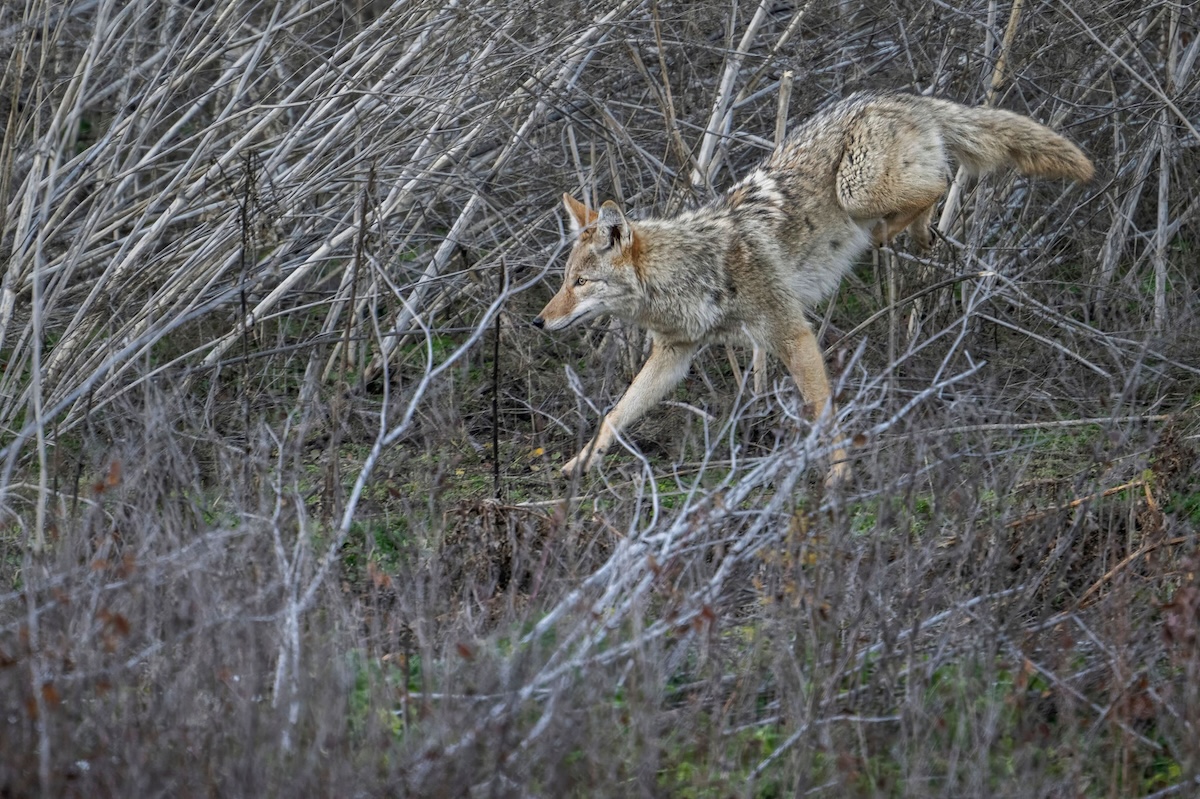
Once you dial in on a coyote calling site, use your knowledge of predominant winds and the HuntStand HuntZone wind graphic for precise stand positioning.
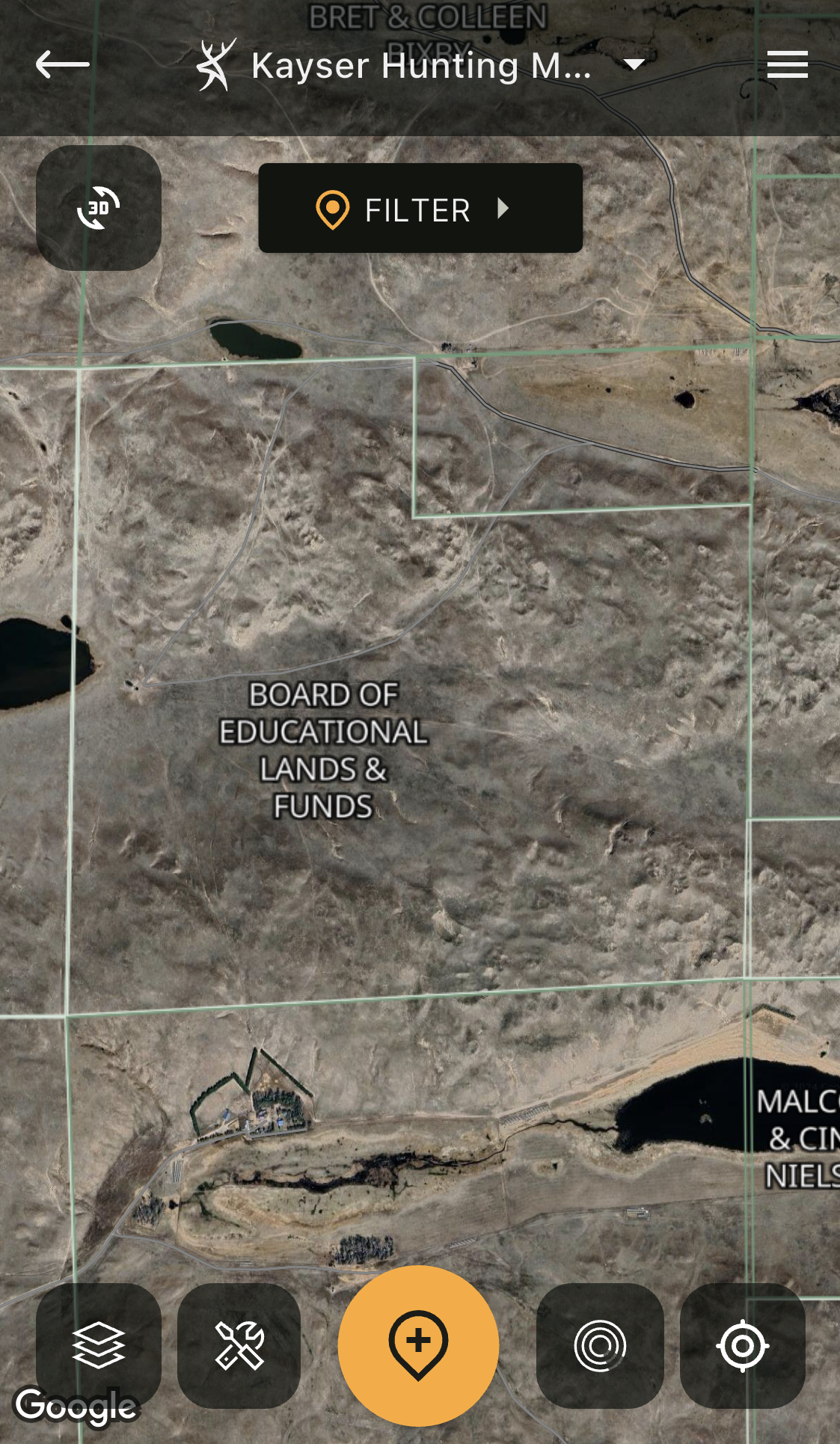
Use HuntStand’s Property Info feature to analyze calling areas for ownership and boundaries.
2. Coyote Bedding Areas
Although predators live near human activity daily, most of their nearness to humans occurs under the cover of darkness. Like Dracula, these toothy predators often retire to undisturbed thick cover for daylight security. Such refuges could be less than a mile from prime hunting areas, but scrutinize any type of sanctuary a mile or more from humans, or top hunting destinations, as top hiatus habitat for coyotes.
As you scour hunting properties for terrain that coyotes would seek out for their break time, think brush, overgrown thickets, dense woodlands, wetlands, tall-grass prairie and anything that looks like it might require rappelling gear, or a machete to access. Regions void of county roads, highways and even farm traffic get even more attention for unsocial coyotes.
How to Hunt Public-Land Coyotes
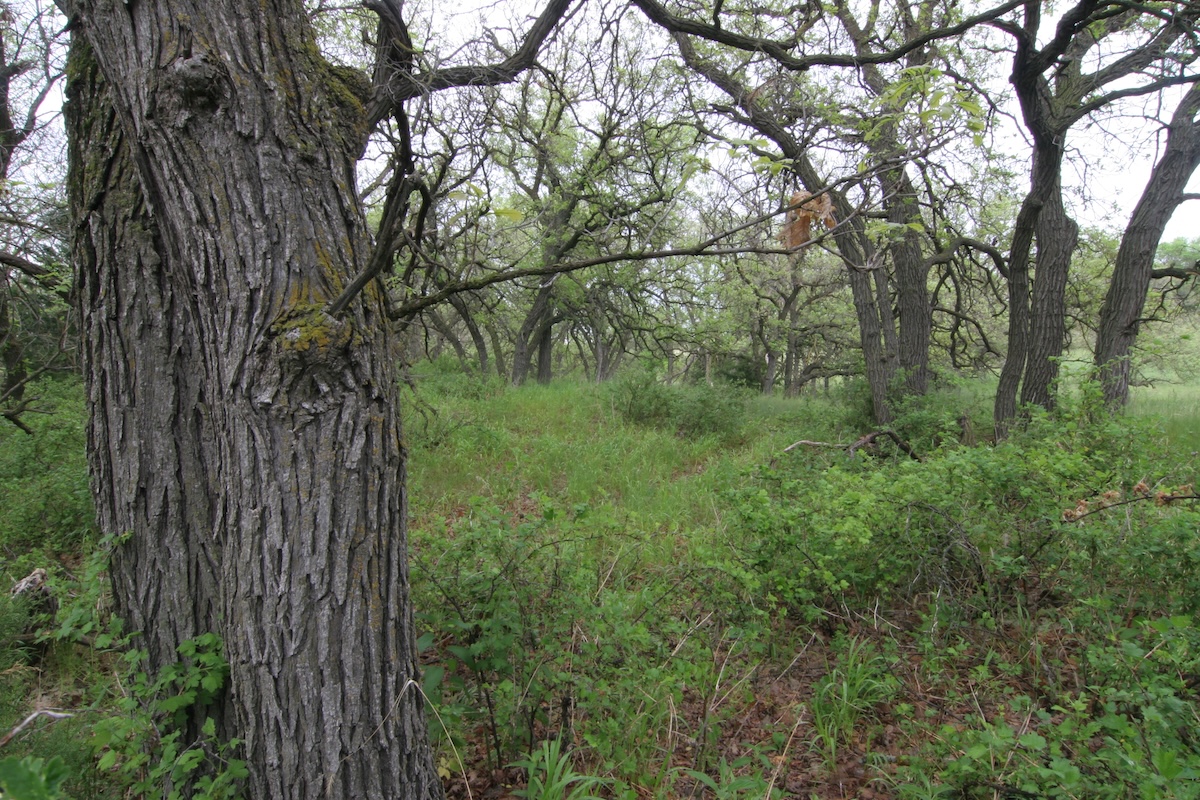
You can’t go wrong when you find coyote sign and it leads to dense vegetation.
Furthermore, be on the lookout for private properties with limited hunting access or outright no-hunting rules. As America’s love affair with private wildlife management flourishes (think food plot craze), and large estates being purchased for investments, more and more gates are closed to you and me. The same is true of a state park or refuge that receives limited or no hunting pressure.
These scenarios create vacuums that sucks in all species of wildlife, prey and predator. You might not be able to hunt an exact sanctuary you find. Even so, investigate borders using your HuntStand Pro or HuntStand Ultimate subscription via Property Info and Public Lands layers. You just might discover a neighboring landowner or sliver of public land giving you calling access next to a certified refuge.
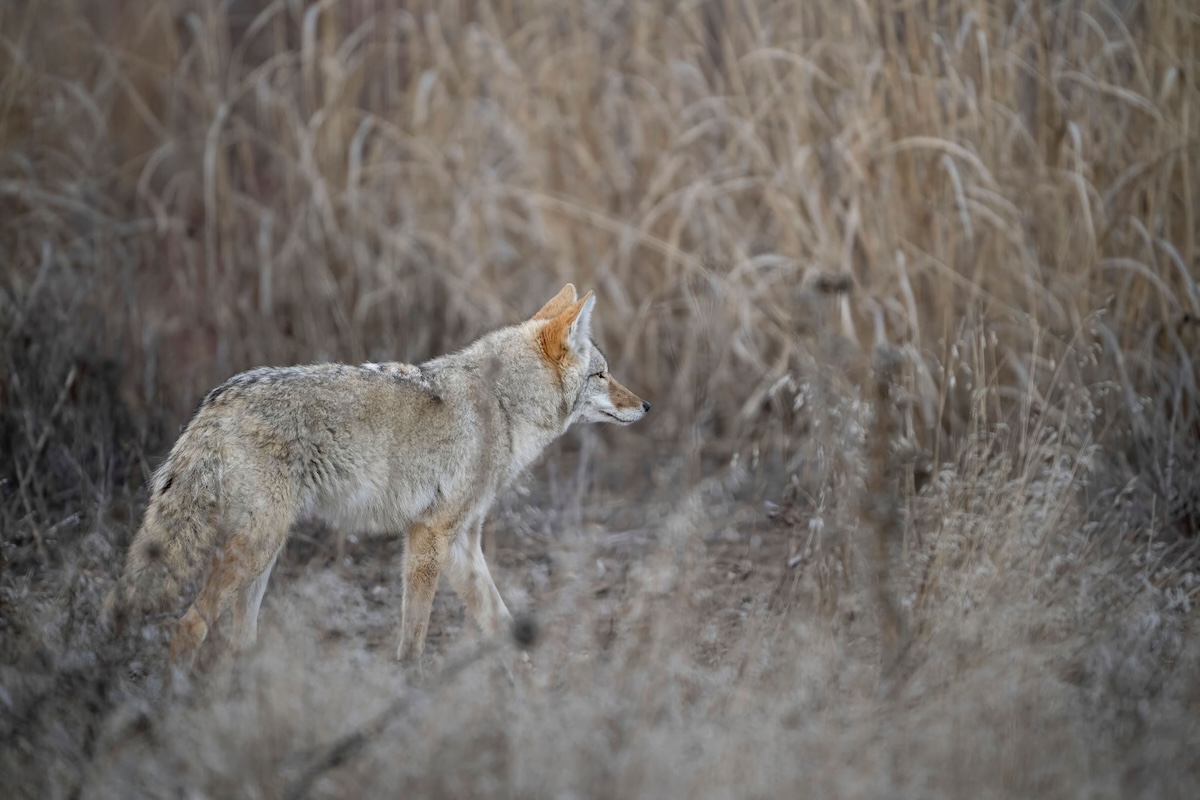
Anywhere you find rodents of any caliber, you will find coyotes nearby ready for the hunt. Understanding where coyotes hunt helps you find great calling locations.

HuntStand's Public Lands overlay is available to help you find hunting areas.
3. Coyote Feeding Areas
That earlier confirmation of coyote travel preferences connects coyotes to sanctuaries and to their hunting lands. Discover the best coyote hunting in the area and you land yet another location for a top calling setup.
Start with a coyote’s favorite menus choice of rodents. Mice, voles, cottontails and the likes make up the bulk of a coyote’s diet in most regions. These small critters thrive in grassy fields, brushy thickets, idle farm ground, and any property that has been allowed to return to a natural state.
Conservation Reserve Program lands, reseeded into native grasses, reign as top hunting spots anywhere. A cruise around your hunting area helps confirm and drop map markers on good-looking lands.
How to Hunt Coyotes During the Mating Season
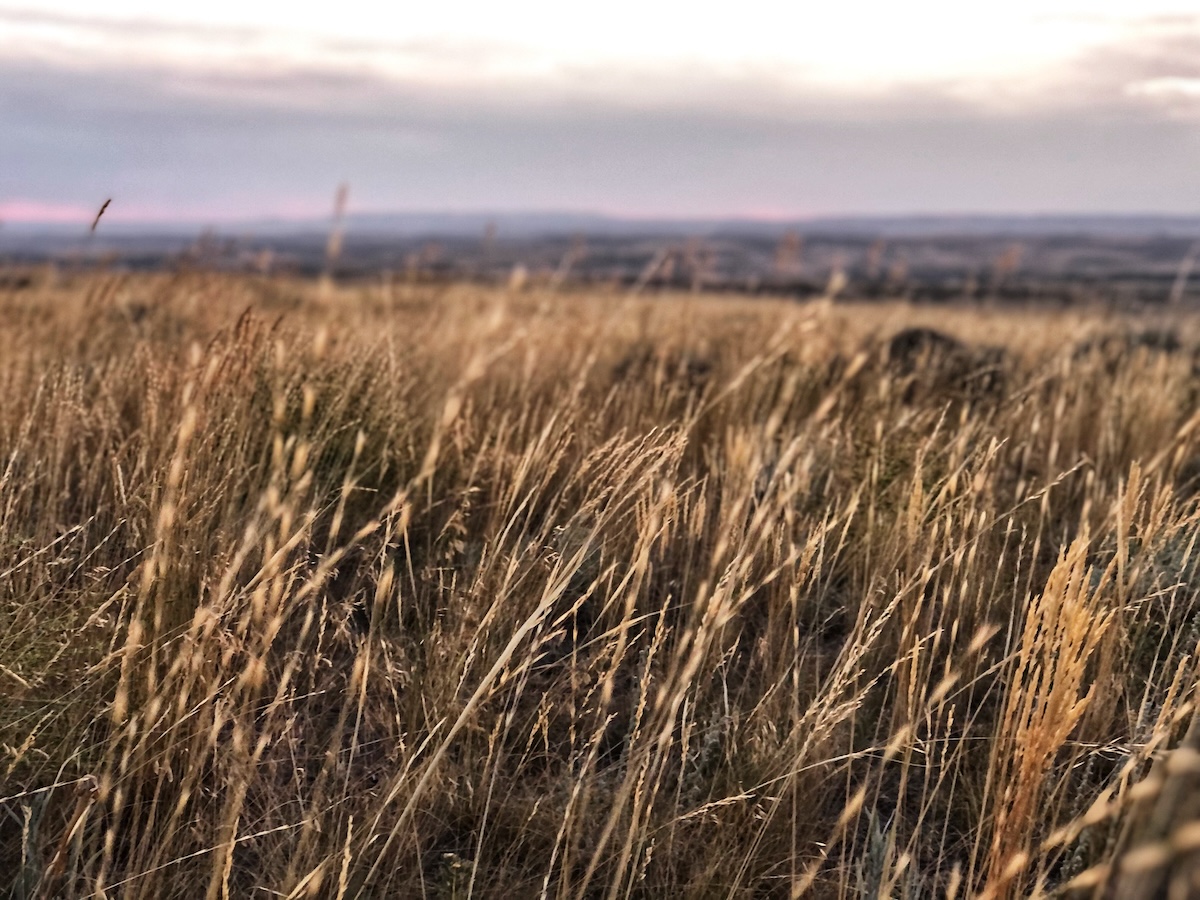
A top meal for coyotes is rodents, and they thrive in native grasslands.
If you cannot drive to a location, use HuntStand’s Monthly Satellite layer to view a recent image of the vicinity. Many systems use satellite imagery that might be updated every two years or so. The HuntStand Monthly Satellite offers images that are updated monthly, and this gives you a newer view of what is occurring on a property you plan to hunt. The layer is provided at a lower resolution, but ample clarity to see agricultural transformations.
Regardless of your GPS location, you’ll find livestock close by. Urban pioneers embrace free-range chickens. Midwestern farmers handle hogs and raise sheep. Western ranchers run cattle nearly everywhere. These scattered herds of protein don’t go unnoticed by coyotes. As you scout new properties, inventory every livestock element because. You can bet the coyotes are doing the same. They visit daily to seek out possible candidates for a meal that might be loose, weak, or injured. Calling near livestock always ranks as a good idea.
Larger operators also lose animals to a variety of incidents. Those agricultural businesses often have a kill pit on a property and every coyote in a 10-mile radius knows its location. Ask about a kill pit and consider setting up near it to call or merely watch.
You can also create your own kill site or bait. Many states have little or no laws pertaining to baiting coyotes. A meat processing facility, or even a grocery outlet, might have plenty of goods available to keep a bait site active to take a stand near or call from.
Finding the best calling sites often is determined by where coyotes travel, hide, and hunt.

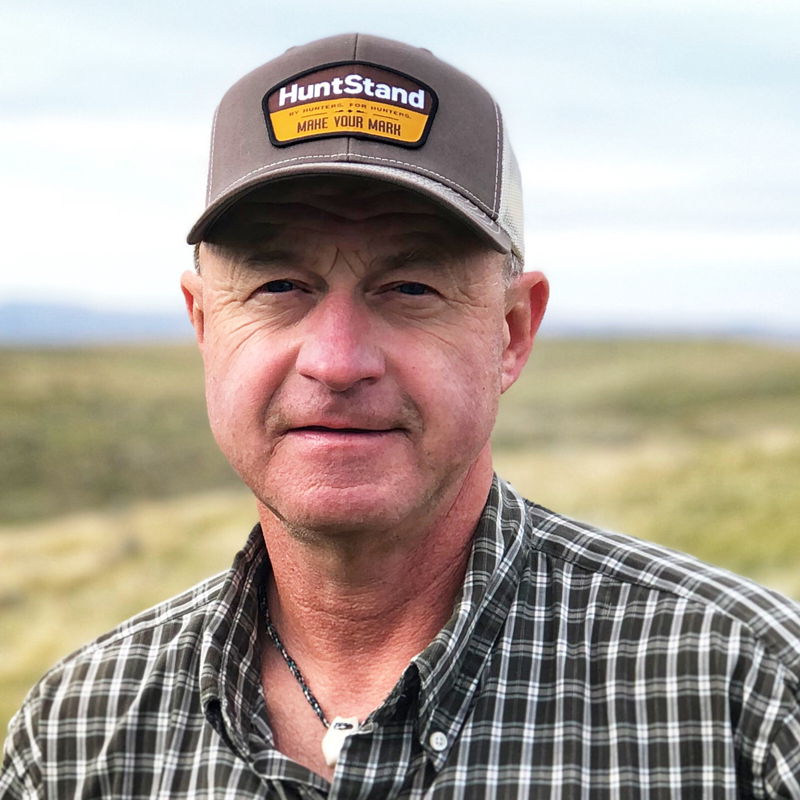
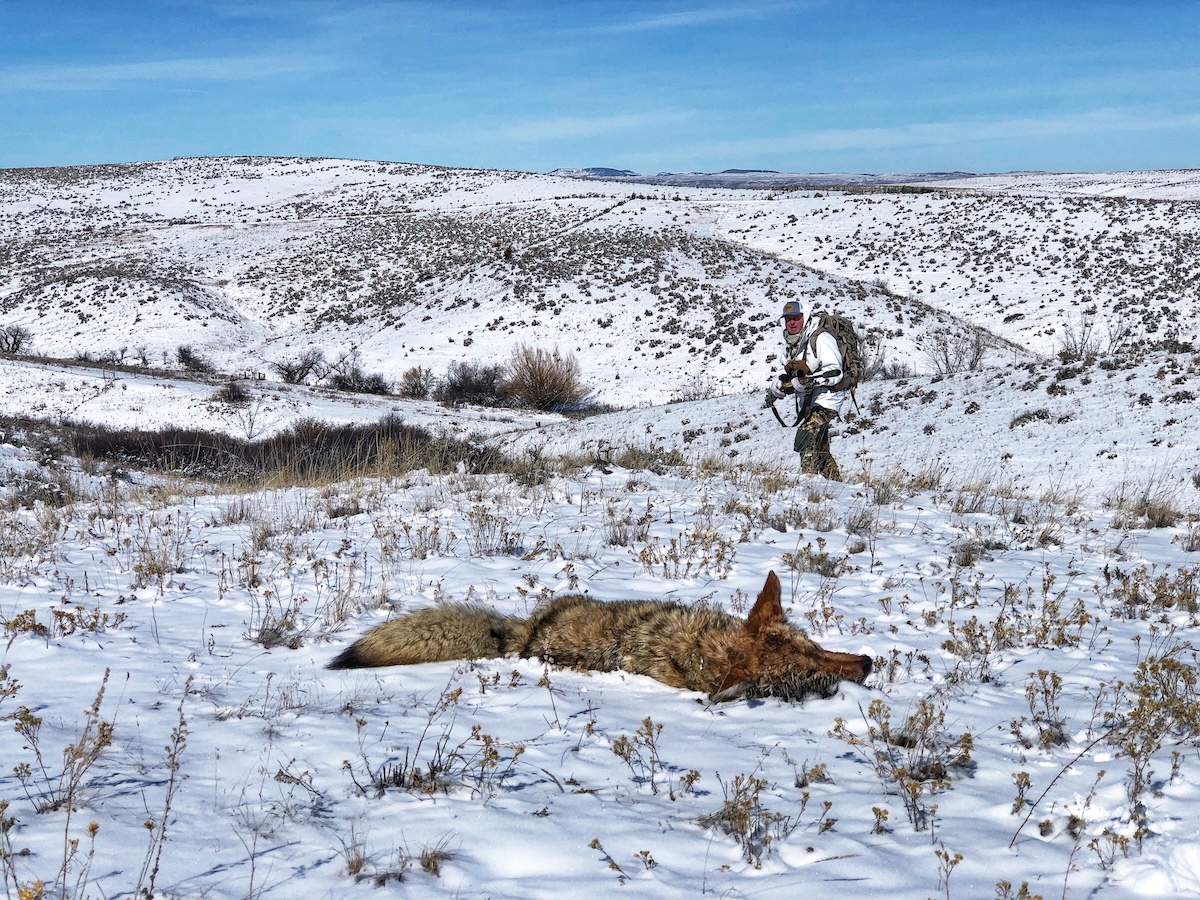
In addition to uncovering a dense hillside coyotes used for daytime resting, Kayser homed in on a travel corridor and it worked on this cagey coyote.
Find the Kill Box
Once you begin to find areas of interest where coyotes might spend more time, zero in on possible calling sites. Use the HuntZone wind graphic, combined with your knowledge of predominant winds, for scent concealment. Survey HuntStand maps for openings, and then use the Quad Topo or Natural Atlas layers, to locate any high locations. Put this team together and you should have an ideal locale to call from for higher coyote success. It’s a winning plan for fur this winter.