



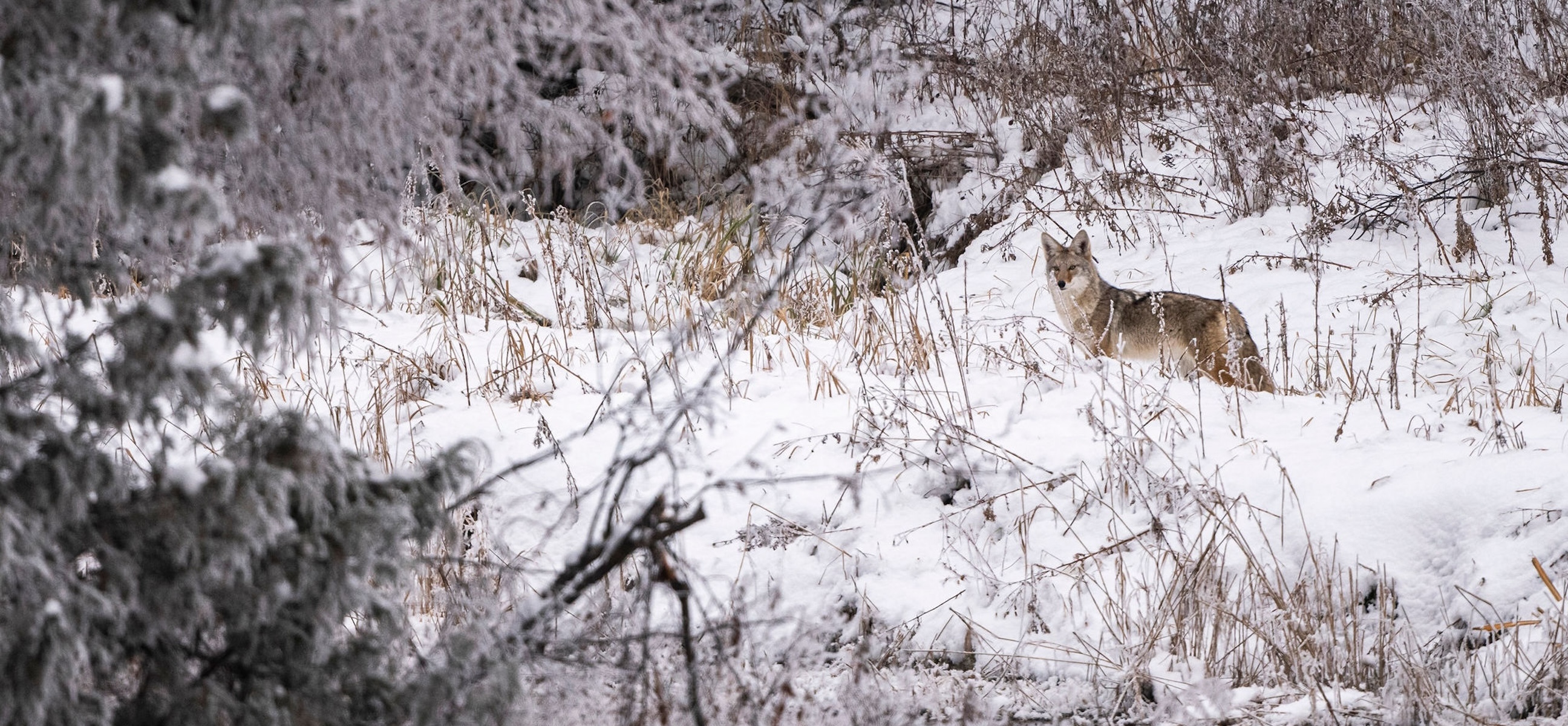

Most predator hunting TV shows are filmed in wide-open country, allowing the camera to catch all the action as the predator comes in from a distance. It makes for great TV, but in the real world, a lot of predators are taken “up close and personal” by knowledgeable hunters who know how to fool predators in the big woods. If you’re looking to target predators in the dark timber, here are eight tactics that have worked for many hunters. Here are tips for hunting big-woods predators.
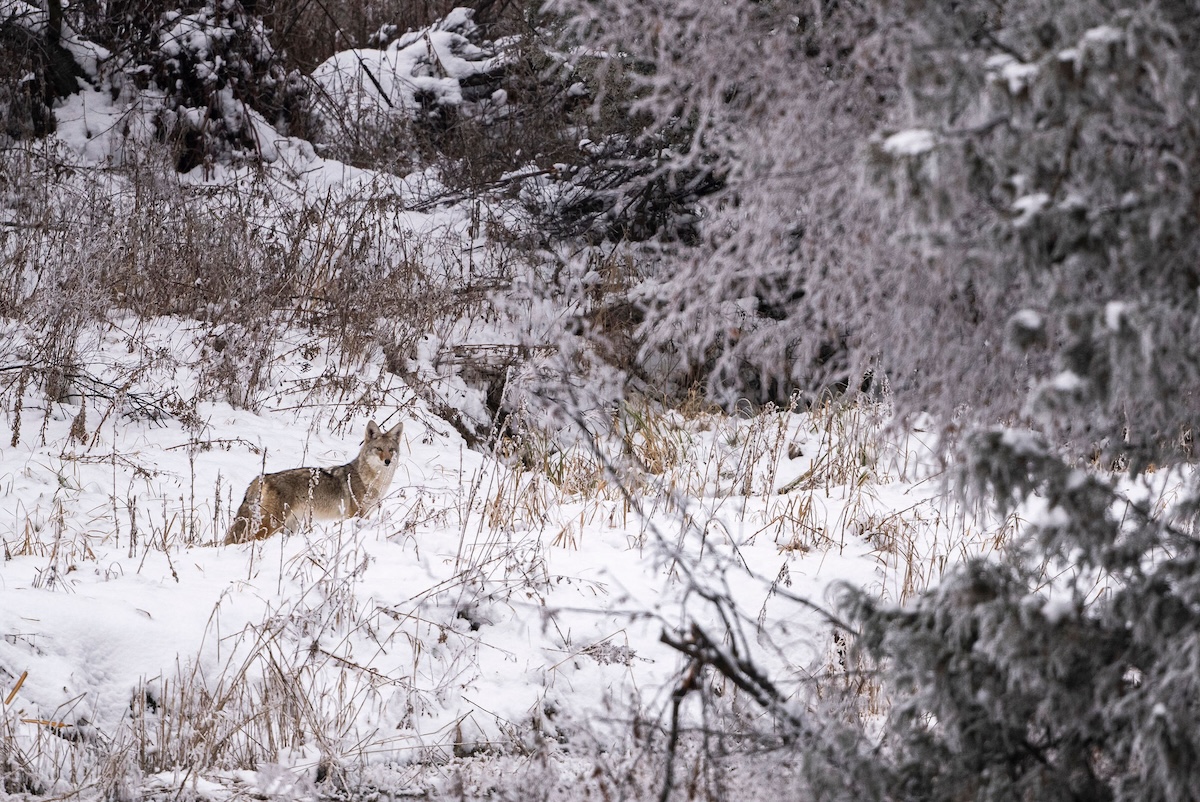

Big-timber coyote hunters need to pull out all the tips, tricks, and tactics.
1. Cash in on Baiting Opportunities
Constantly be alert for baiting opportunities. These may take the form of road kill or deceased domestic animals. If it’s legal, place your own bait. If not, take advantage of what nature provides. For example, a known/popular deer crossing on a busy roadway will provide a steady supply of dead or crippled venison to coyotes hanging out nearby.
2. Find Man-Made Open Space
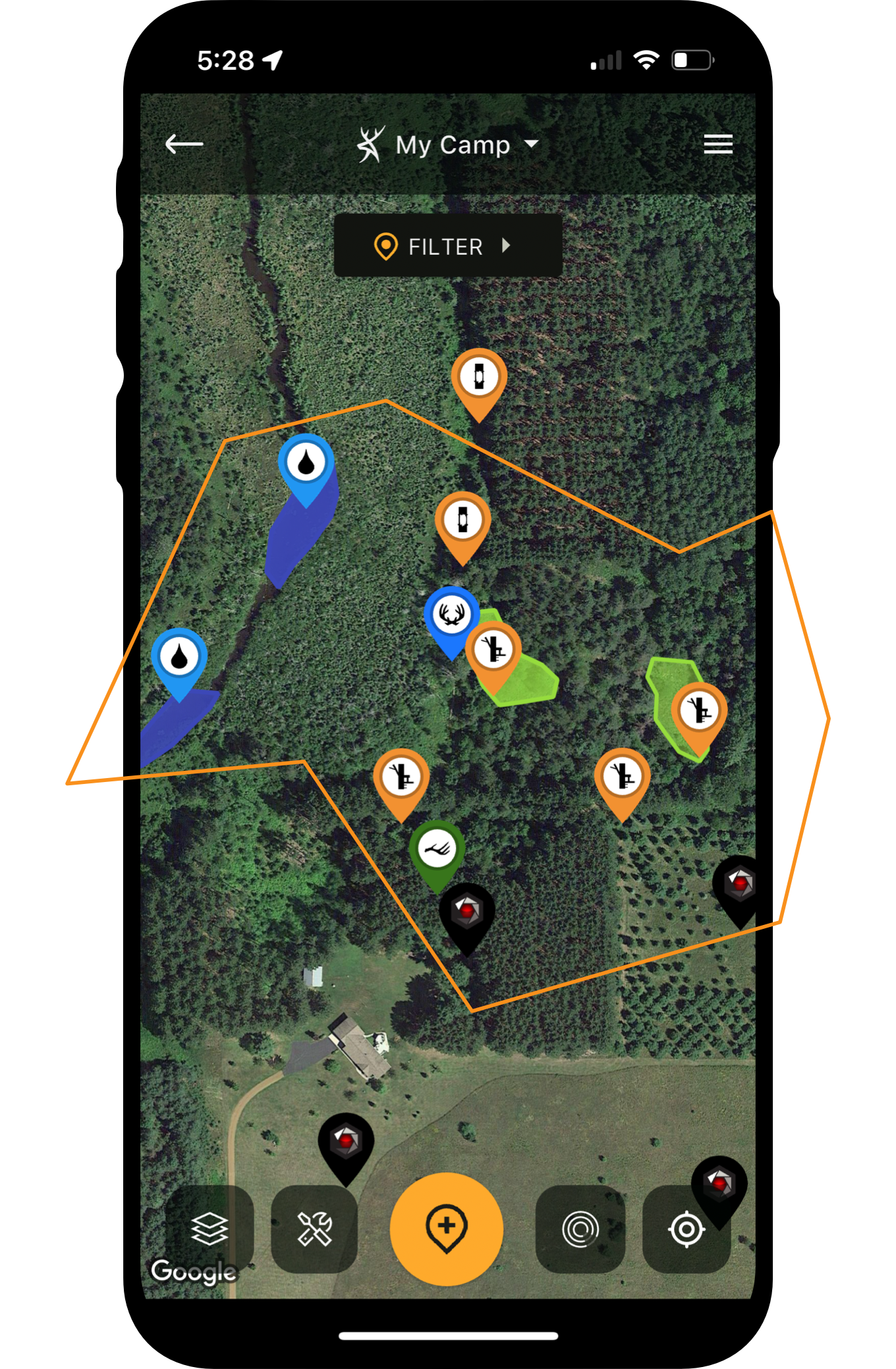
Call along the man-made “lines” of open space that exist in almost all wooded areas. These include the right-of-ways for pipelines, electricity transmission lines, fence lines, and old roadways. Predators use these lines as regular runways and, when responding to a call, will often follow them as the path of least resistance. Find and save these distinct edges before you leave your home using the “Satellite” view on the HuntStand app.
How to Hunt Coyotes with HuntStand Pro
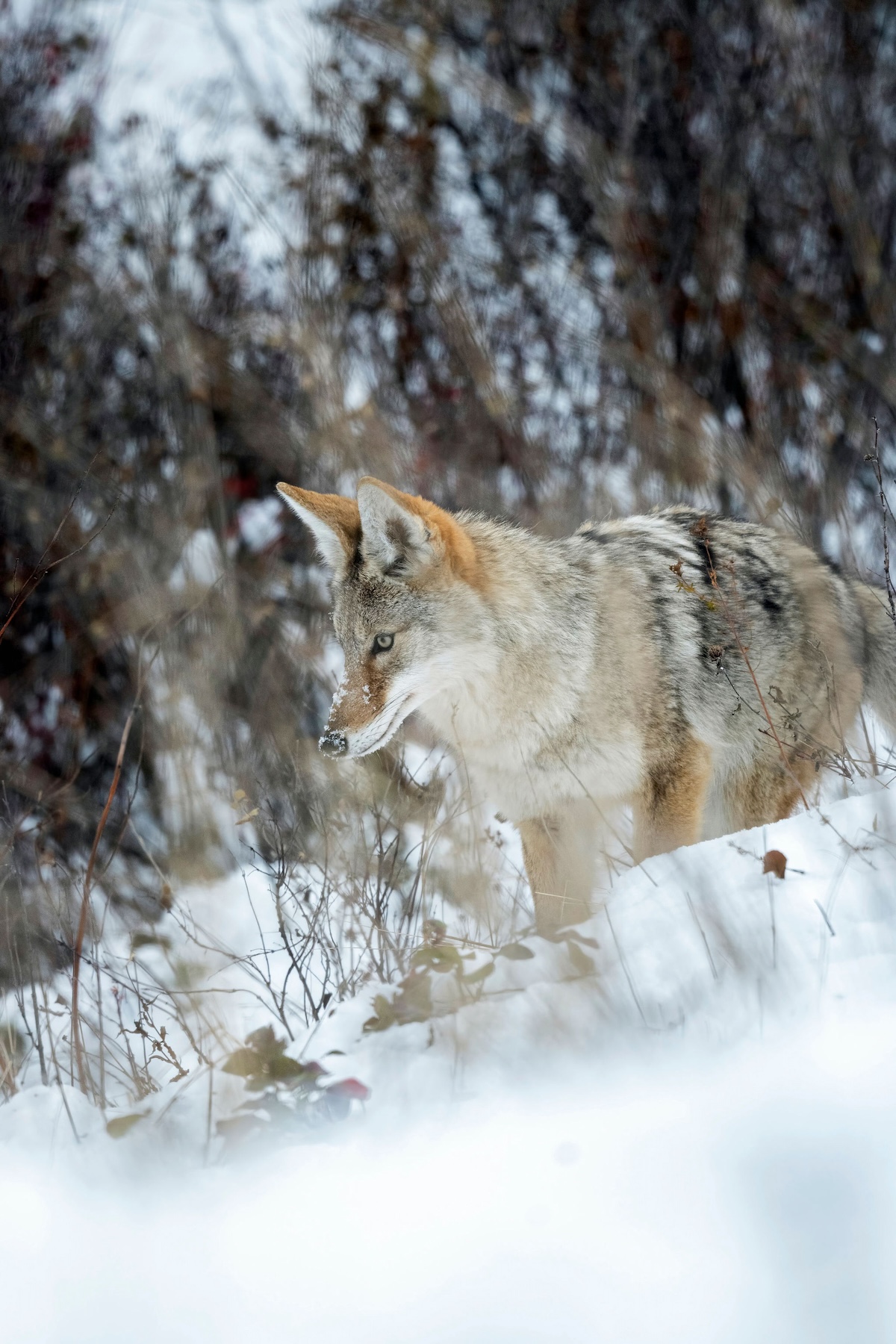
Big-woods coyotes are challenging to hunt, and keeping them upwind of your position is one of the tallest tasks.
3. Stalk Game Trails
Slowly stalk the game trails that run through timber, stopping to use a mouse squeaker every 100 yards or so. Squat down behind a tree adjacent to a chosen trail and call for about five minutes. Then, slowly move up the trail and try again. Try to pick calling spots where the trail straightens — places where you will enjoy as much of a sight line advantage as the local terrain affords. The mouse squeaker call can be critical; unlike rabbit distress calls, predators will often come straight in to mouse squeaks, without bothering to circle downwind. And they will often follow the game trails to do it — especially if the snow is deep.
4. Hunt Midday Hotspots
At midday on sunny winter days, look for predators in places where they can doze while soaking up a few warming rays. Great examples are hillsides, log piles, or even beaver houses. Set up and call these locations or, depending on the circumstances, spot-and-stalk these areas.
Hunting Coyote Bedding Areas

Use HuntStand to find likely predator hotspots. Mark heard vocalizations, sighted coyotes, and kill locations for future reference.
5. Find Ponds and Lakes
Look for ponds or lakes and call along the edges. This is where HuntStand again shows its value; using the “Satellite” view can help you pinpoint several remote, isolated lakes or ponds that other hunters might miss. Set up so your scent is blowing across the ice. This way, an incoming predator has to reveal itself to catch your scent.
6. Use the Right Sight
When hunting in the dark woods, consider using an electronic dot sight or a scope with an illuminated reticle. The sight’s glowing red aiming point makes for impressive accuracy when the light fades. Low-powered scopes like the Vortex 1-6X Strike Eagle are ideal when the action is close and fast.
How to Hunt Public-Land Coyotes
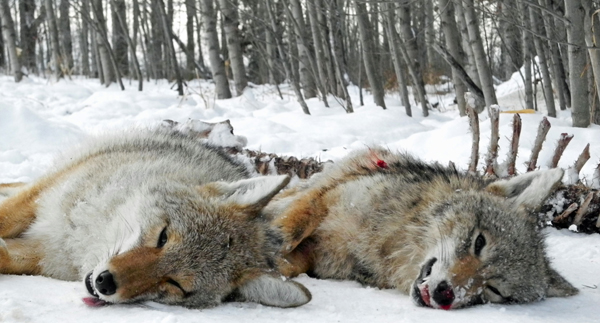
In some instances, you just might score over a baited site.
7. Make a Path For Them
If the snow gets deep, remember that predators have trouble moving around in it, too. This is your chance to influence their travel routes and create an effective ambush. Use a snowmobile to pack down a path, and, rest assured, local predators will use it. Give your local coyotes and fox a week to find and begin using your manmade highway. Then, simply set up on a prime vantage point along the route and call.
8. Always Pay Attention to the Wind
Pay attention to the wind, even in thick cover. None of the above tips will work if the wind isn’t working for you. Use apps like HuntStand to plan your hunt. Hedge your bets by attaching a wind string to the end of your rifle barrel — so you can monitor every single twitch of the breeze while calling.
Piling up fur in the big woods is something you won’t see a lot of on outdoor TV, but that doesn’t mean it can’t be done. Especially, if you modify your techniques accordingly, throw a few tricks into your backpack, and, like always, monitor and use the wind to your advantage.