




Use HuntStand’s 3D Map feature to help you in visualizing how a particular parcel of land lies.
If you deer hunt, you put a huge emphasis on locating whitetail bedrooms. These refuge zones offer targeted areas to focus on for possible whitetail encounters. Uncovering bedding areas also ensures that you stay clear of these sanctuary domiciles, thus giving deer an unpressured place to escape and relax.
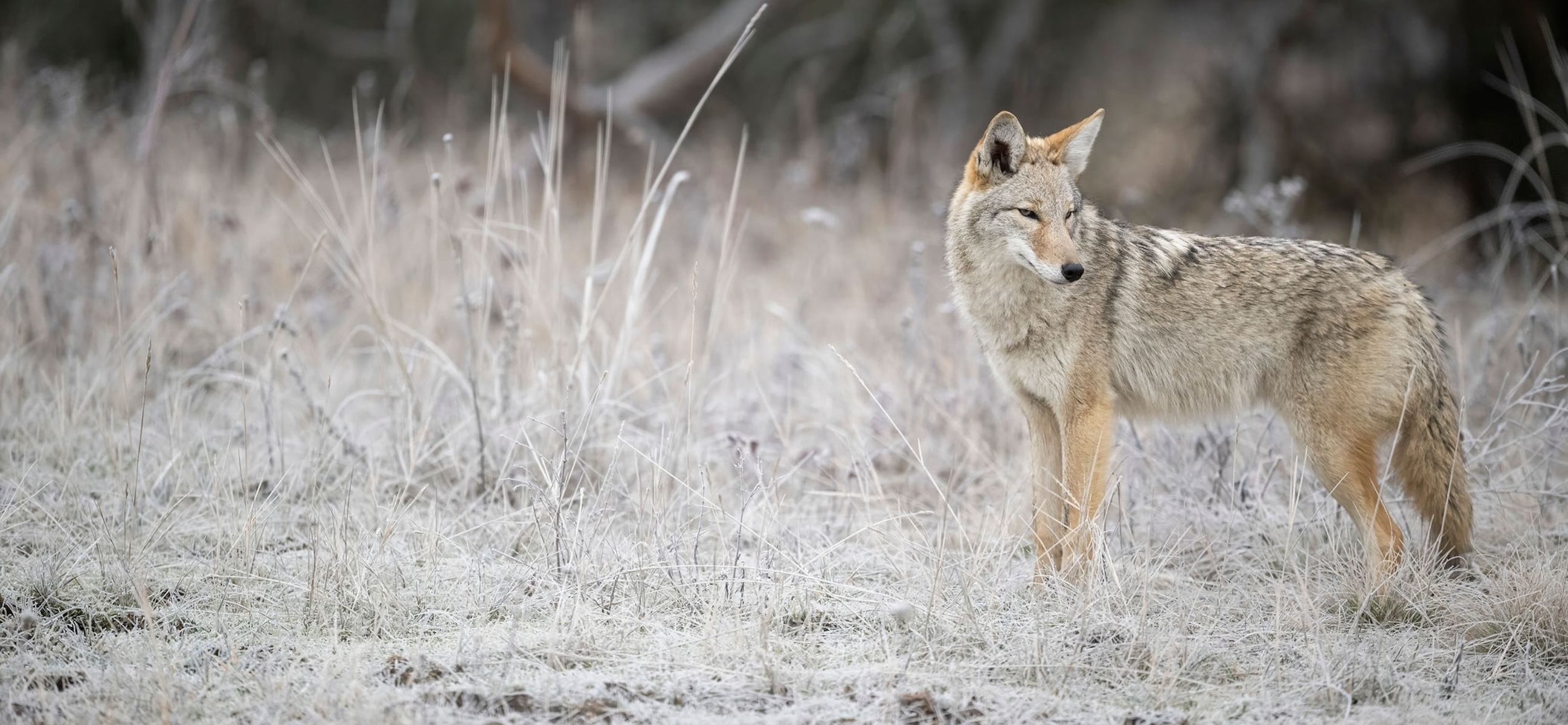
Coyote hunters should take heed of this whitetail hunting strategy. Like deer and other game species, coyotes seek out bedding cover where they can find shelter from weather, protection from other predators, and a safe haven from humans. Although coyotes might plunk down anywhere, especially if an ample supply of cover resides nearby, they still retreat to places offering the most safety during their downtime hours. Think of these retreats in the same manner as you would deer bedding cover, and it could lead right to a great calling location. Here’s a game plan for hunting coyote bedding areas.
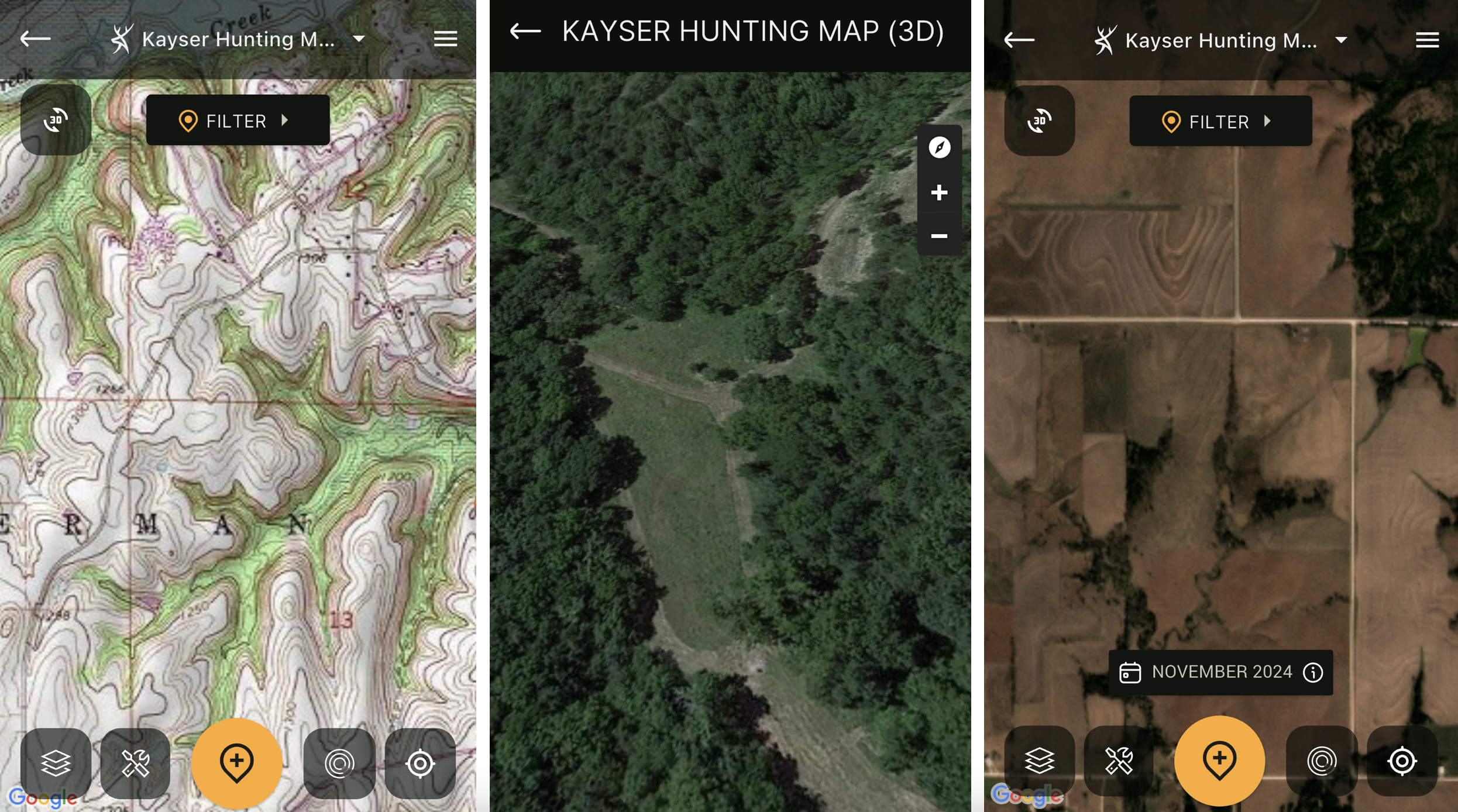
If you cannot visit an area before you hunt, use HuntStand’s Monthly Satellite feature to view the property in imagery a month or less old. HuntStand’s Quad Topo layer assists in finding high locations for the best in setup sites.
E-Scouting Coyotes with HuntStand
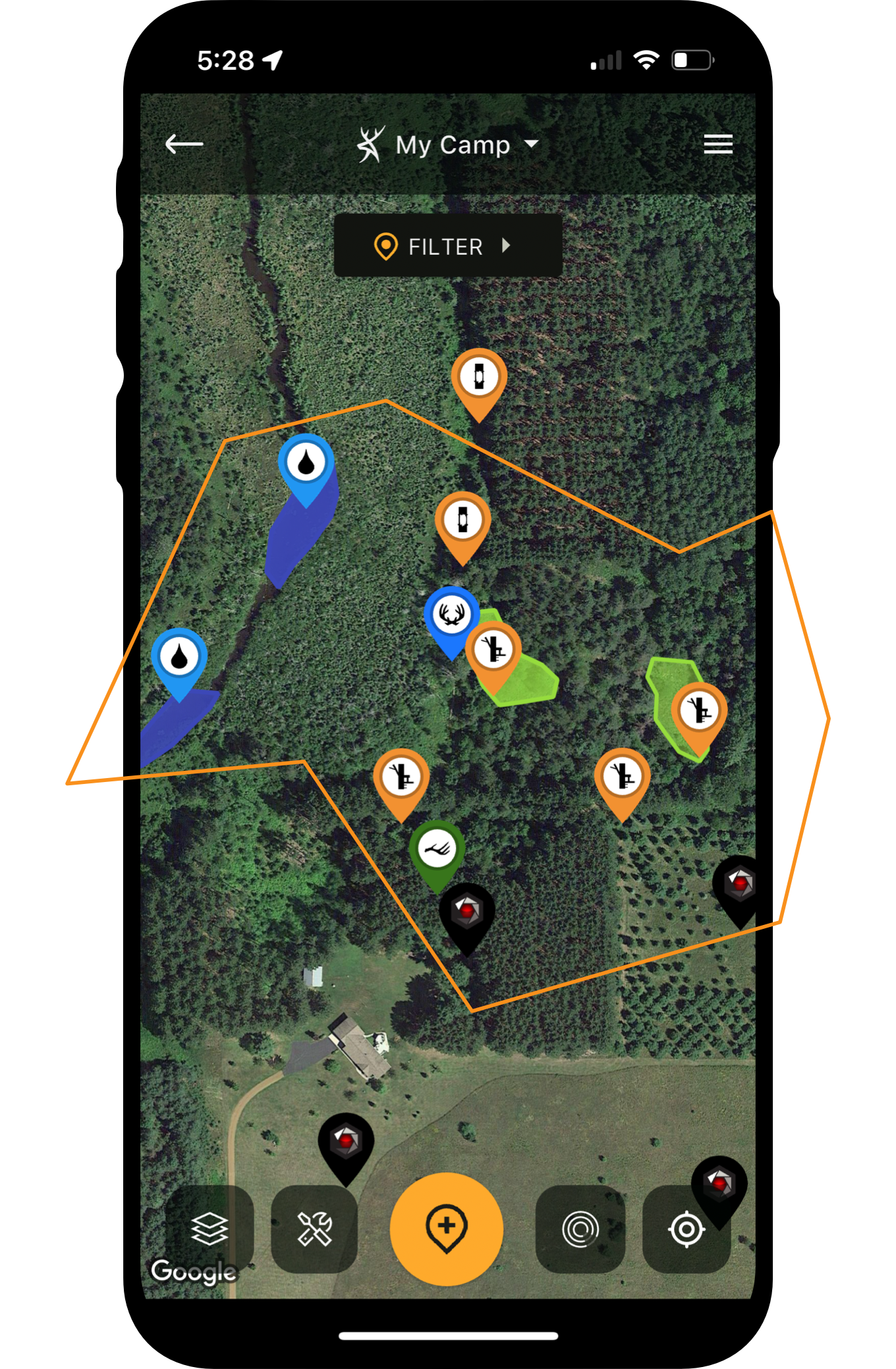
A proven hunting app like HuntStand is invaluable in helping you pinpoint coyote bedrooms. Install the app and begin using satellite images, markers, property boundary information, and weather to refine your search. Boost your abilities by upgrading to HuntStand Pro or Pro Whitetail to give you unprecedented information on a potential coyote hunting area.
As you virtually fly around a hunting property using HuntStand, look for remote, rugged shelter. Coyote-rich areas might have many different appearances, perhaps even outskirts of farmsteads, ranches, subdivisions, etc. That said, they tend to avoid the bulk of human activity. All coyotes don’t retreat from the human intrusion, but the majority rather rest in an area where they don’t have to worry about human disturbances.
Best Spots for Calling Winter Coyotes
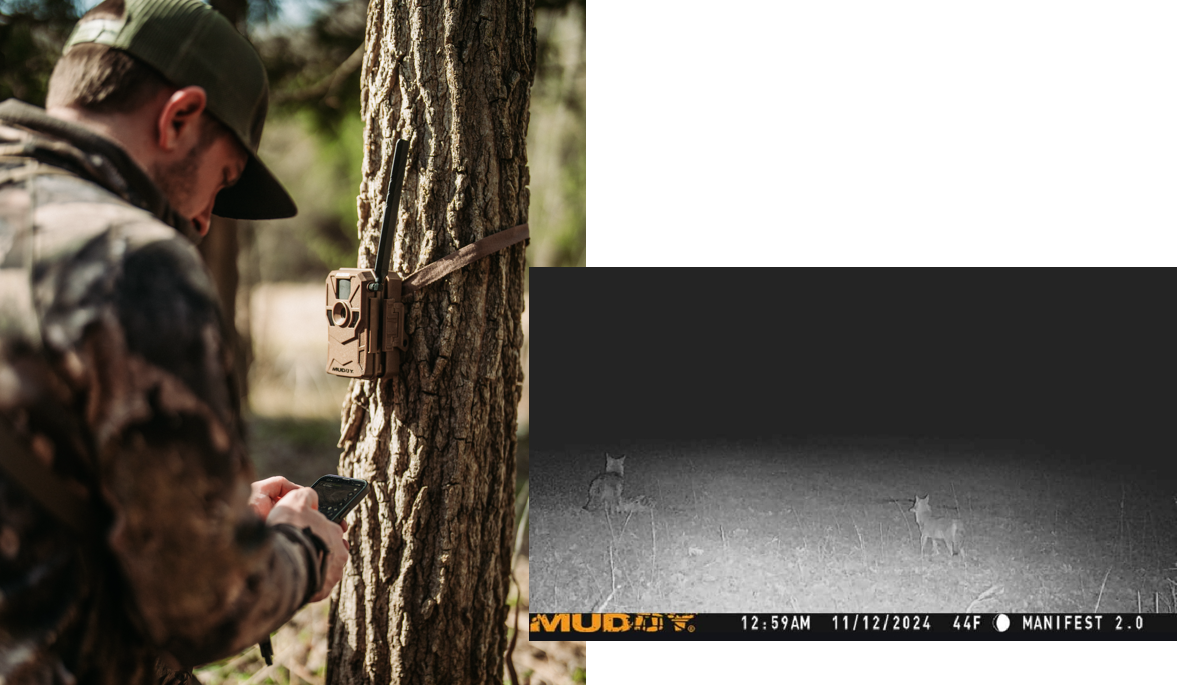
If you need further proof of coyotes using an area, put your trail cameras to use.
Scouting Coyotes with SD and Cellular Trail Cameras
All country is not coyote sighting friendly. Trail cameras offer some relief in this terrain dilemma when trying to confirm sanctuary zones. Utilize these along trails and even boost photo opportunities by utilizing scent attractants to stop coyotes for the perfect pose. I typically keep several cameras operating after deer season just for this reason.
Of course, position them a bit lower or position them with a downward angle and you’ll have another set of eyes scouting for coyote travel patterns to their preferred hangouts.
Without question, scouting efforts will vary based on location. Focus your coyote bedroom hunt withing the best bedding, which is different from region to region. Below are some ideas to spark your hunt with an emphasis on the corner of the country you call home.
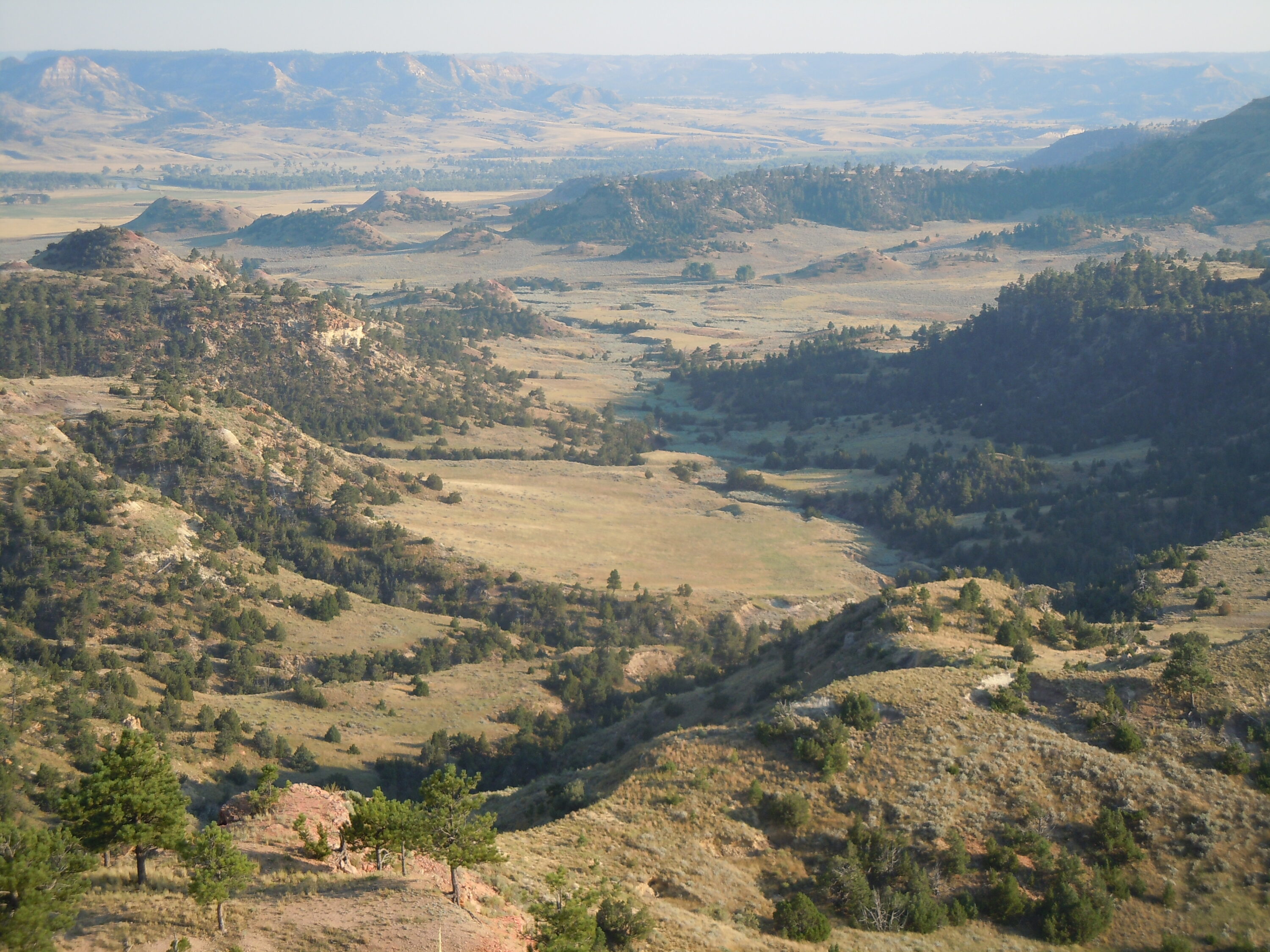
The vastness of the West offers ample coyote sanctuaries. Look for rough country away from roads or trails as top areas.
Coyote Hunting in the Northwest
In the Northwest, you can throw a rock in any direction and find coyote escape country. Canyons, coulees, badlands, and basins all have terrain that swallow coyotes whole. Coyotes might pass through open country, but rarely do you see them lounging around all day in an exposed environment. Still, coyotes do not want to be disturbed, and they seek protection from weather — such as gusty winds — that diminish their security senses.
HuntStand Pro provides detailed property boundaries for the U.S. and most of Canada. In the U.S., you receive detailed mapping information, including the owner’s name displayed right on your map (plus specific map property boundaries). Tap the screen and expanded details appear to ease your search to track down a landowner. Use this important feature to acquire access, call coyotes near property boundaries, and needless to say, keep you from trespassing.
How to Hunt Public-Land Coyotes
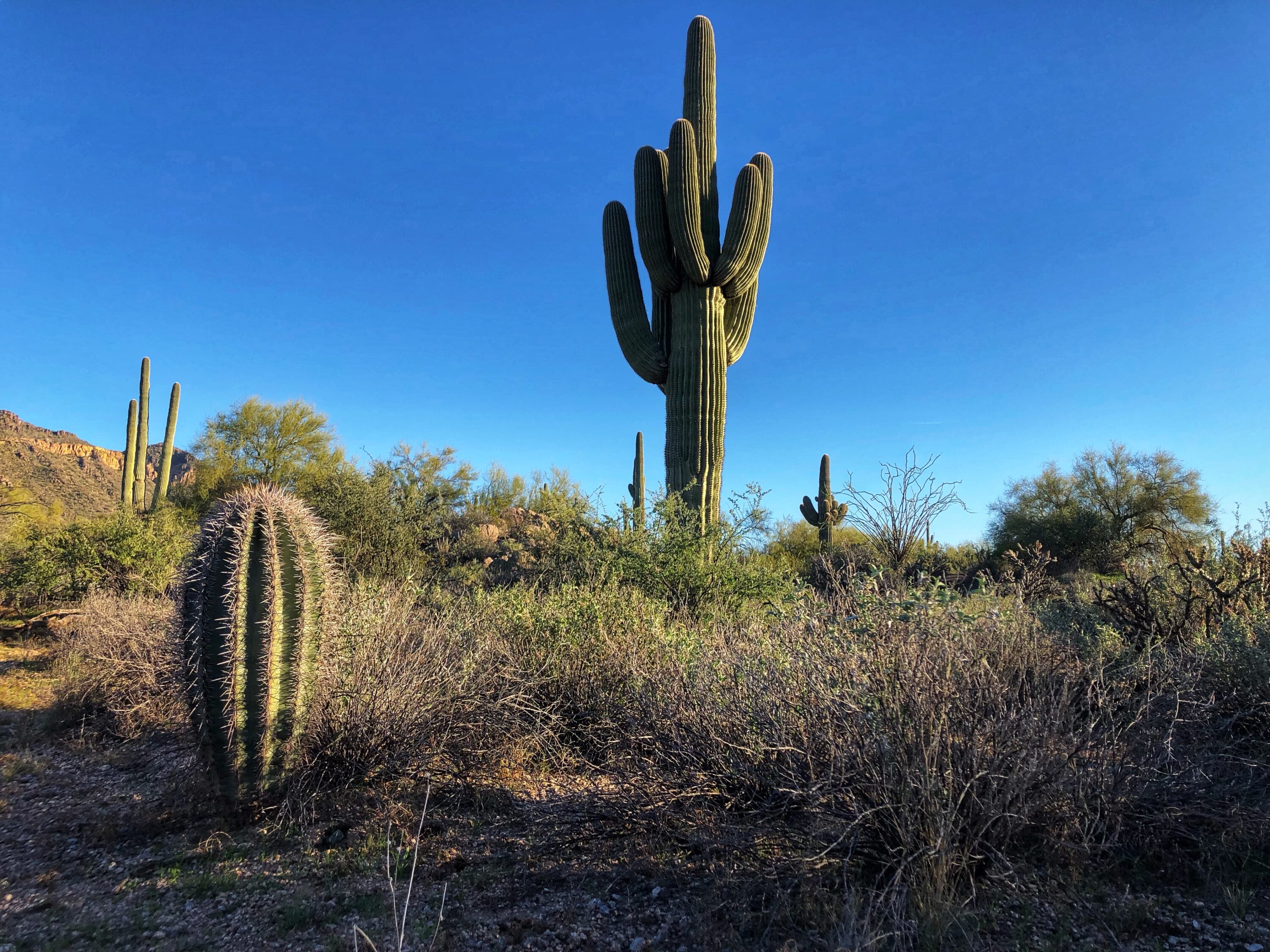
Desert arroyos provide deep cuts where coyotes can hide out, but desert fauna also helps in hiding coyotes when they need a siesta.
Coyote Hunting in the Southwest
Defined by deserts and mountain ranges, the Southwest includes many of the same refuge areas found in the northwestern section. Moving to the deserts, focus on the winding arroyos that crisscross the cactus plains. These dry washes temporarily fill during the rainy season, but the water in them doesn’t last long. Coyotes seek out these eroded channels for windbreaks, shade from the sweltering sun, and to utilize their banks to disappear from the broadness of the desert plain.
In addition to the ruggedness of arroyo corridors, seek out areas supporting large expanses of prickly pear cactuses, cholla cactuses, and plants such as yuccas or creosote bush. These all add to the cloaking cover a coyote would seek out. And in this and all locations, the farther you find a bedroom from any road or human hustle and bustle, the better.
One of the best overlays on the HuntStand app is the 3D Map. Use it as your personal drone or airplane ride to survey the terrain from above. It displays all the canyons, mountains, rolls, and depressions in a realistic ride to see what’s ahead.
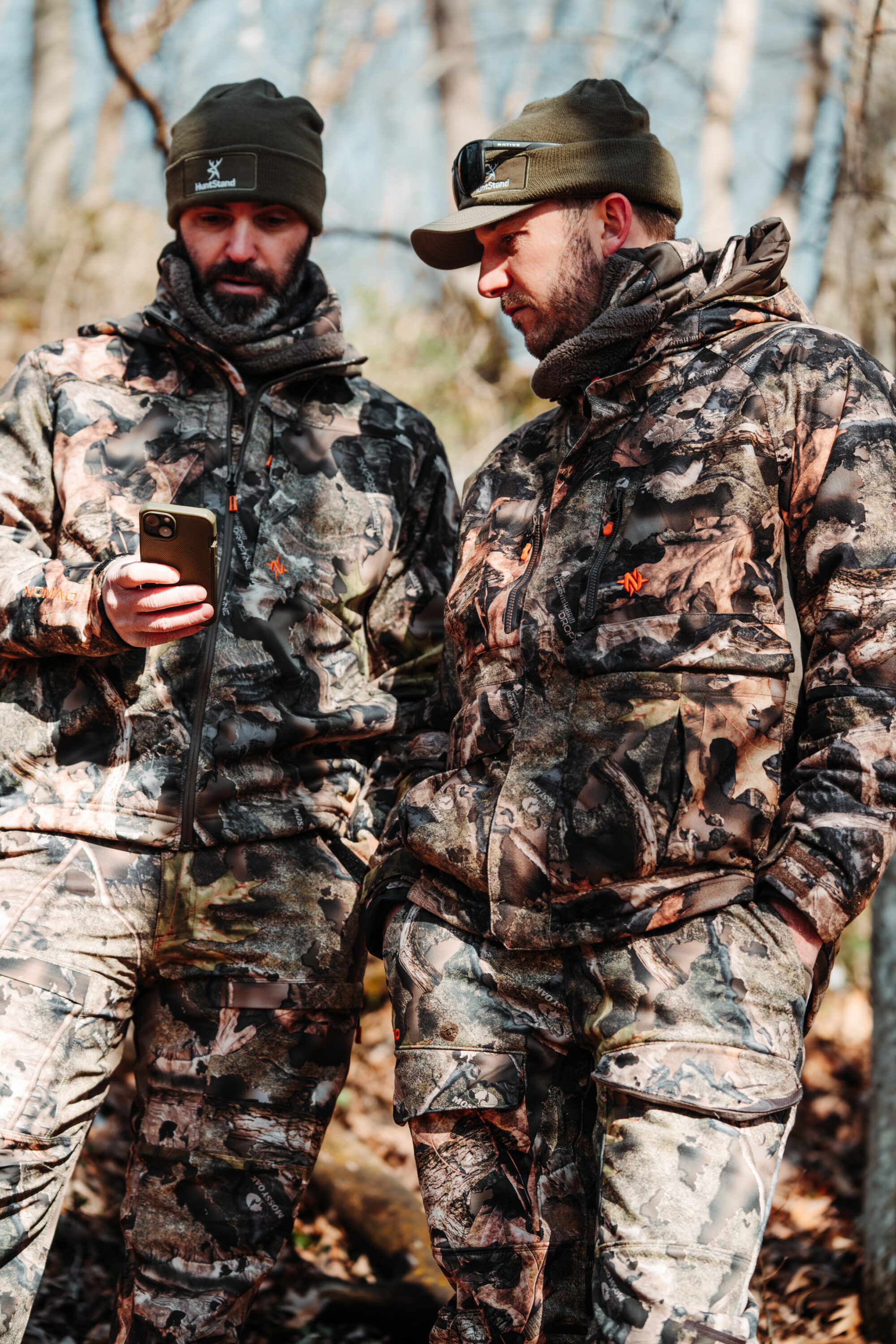
The HuntStand Property Info feature provides you with ownership and border definitions to find hunting land and helps avoid trespassing.
Coyote Hunting in the Northeast
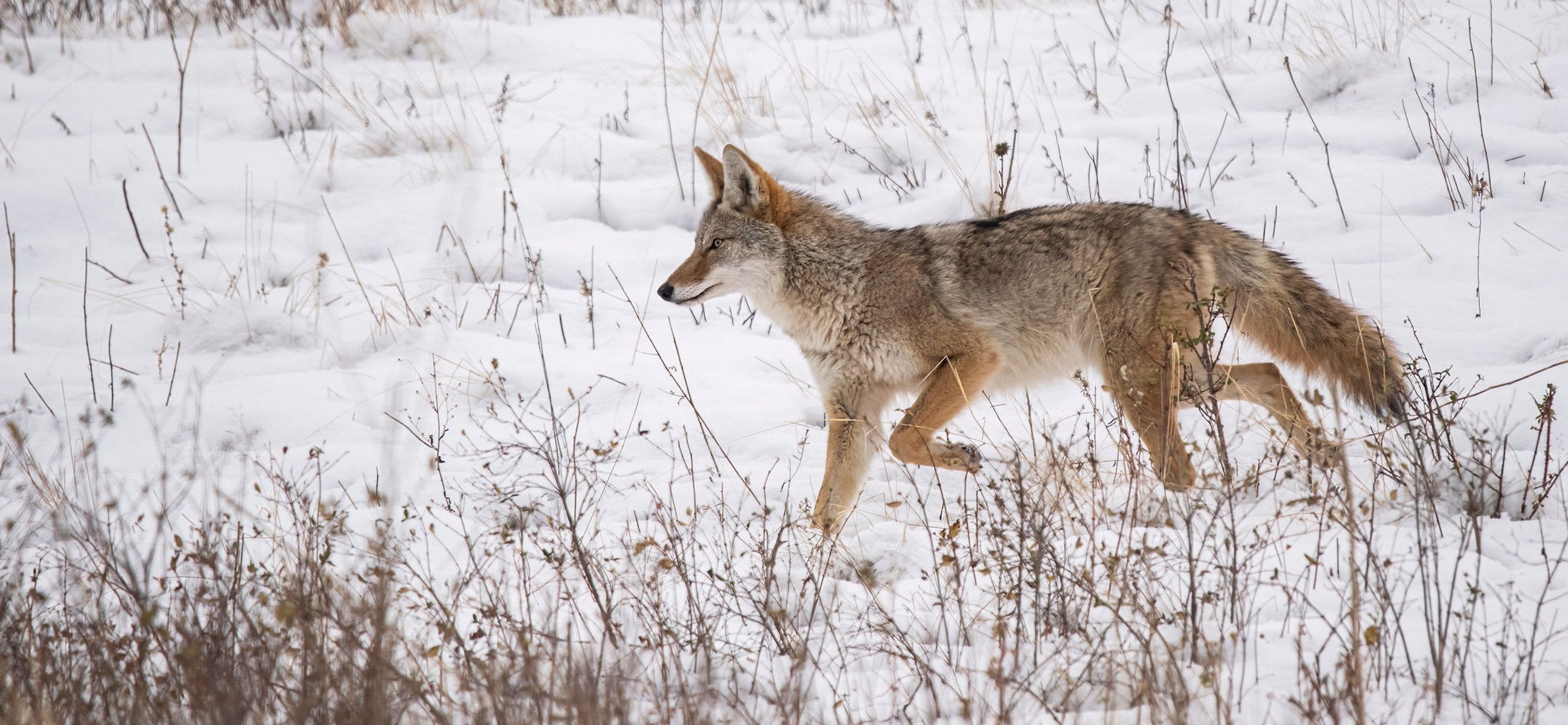
Northeastern coyotes require winter refuge and that oftentimes comes in the form of thick conifer swamps, south-facing ridges, dense stands of spruce, and even woodland wetlands characterized by abundant cattails. These locations break the wind, help subdue snow from piling up too deep, and best of all, attract a variety of prey.
For the same reasons, coyotes seek out these areas. Plus, other prey species, such as deer, rabbits, upland game, and a variety of smaller rodents, value these areas of habitat shelter. The dense cover gives coyotes a veil to hide behind. Then, when hunger yearns, they don’t have far to travel for their next meal.
If you feel the satellite image is too dated, HuntStand provides a mapping bonus with Monthly Satellite. Many systems use satellite imagery that might be updated every two years, or even longer. HuntStand Monthly Satellite offers images that are updated monthly, and this is imperative to understand the day-to-day changes occurring on a property, especially if you do not live near it. The layer is provided at a lower resolution, but ample clarity to see agricultural transformations, wildfire devastation, and even timber management. It also reveals snow cover, if late-season hunting is in your future.
How to Hunt Coyotes During the Mating Season
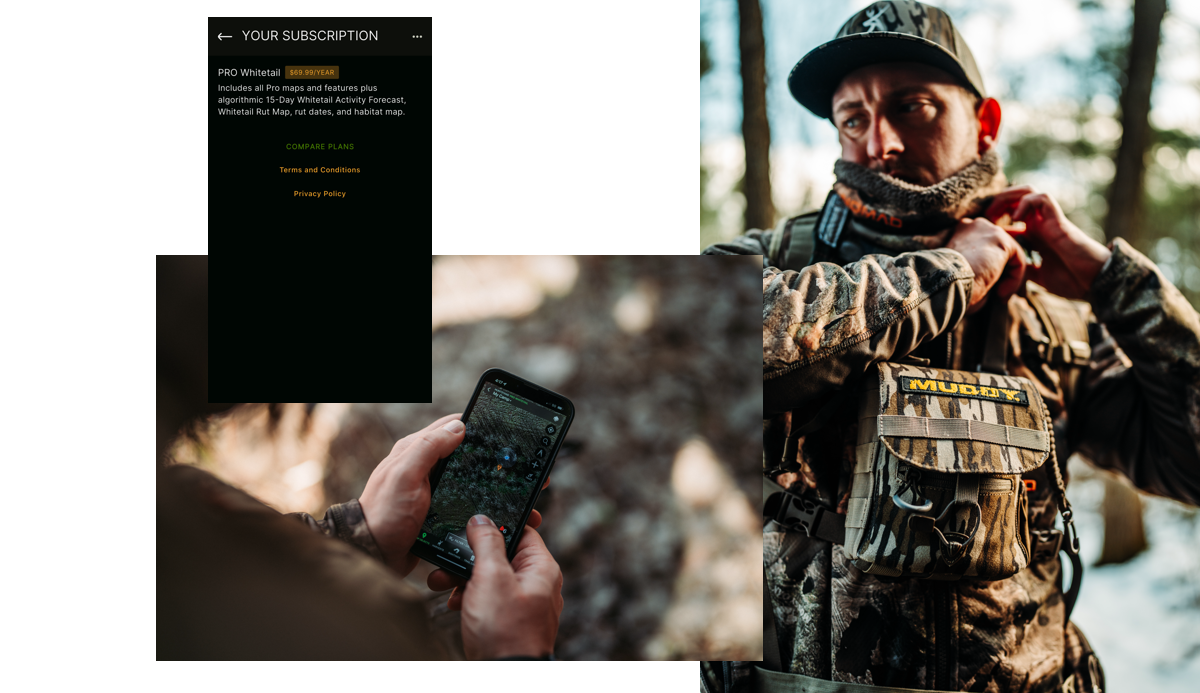
HuntStand, especially the Pro and Pro Whitetail subscriptions, offer unlimited amounts of imagery and information to find coyote refuge areas.
Coyote Hunting in the Southeast
In the Southeast, coyotes look to woodlots, steep terrain, wetlands, and even overgrown properties waiting for the right buyer. HuntStand overlays like Quad Topo, aid you in discovering steep slopes and benches coyotes could utilize as a retreat. The Natural Atlas overlay also provides topographical information along with all roads that could become a nuisance for coyotes seeking reprieve.
Also consider any properties closed off to hunting, but providing large, unkept habitat zones coyotes could nap in undisturbed. Obviously, wildlife refuges fit this definition, but think outside the box, such as industrial parks — especially those that have fallen on tough times — as coyote magnets. Oftentimes, even busy industrial parks will have large buffer zones of habitat that houses prey and predators alike. You will not acquire permission to hunt right on the property, but with the volume tweaked on your calls, any coyote living behind the fence can be coaxed across to meet its maker.
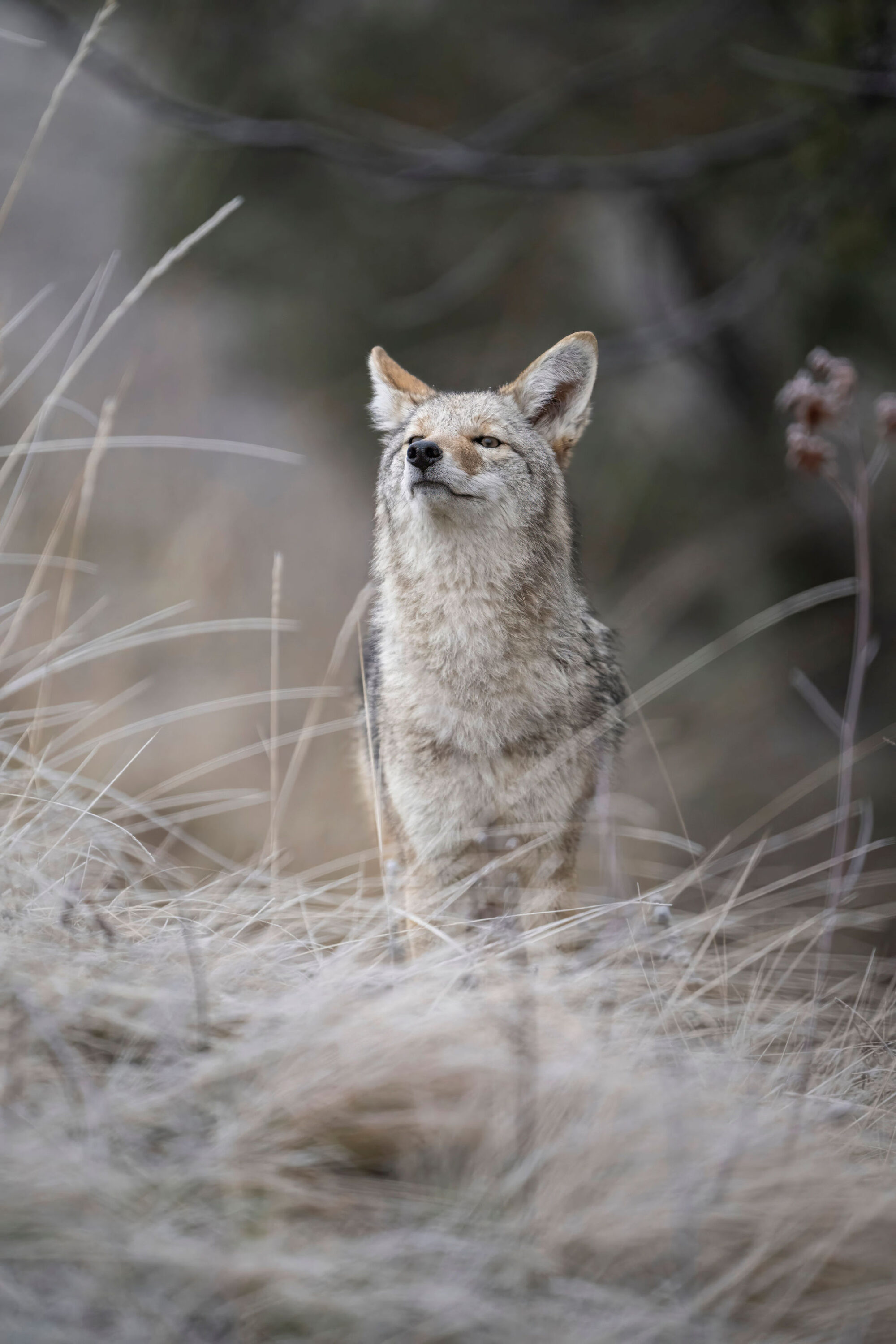
Coyotes might bed anywhere, but in certain areas of the country, they have preferred hideout habitat. Find this habitat and it gives you a location to set up nearby for calling success.
Hunting Coyote Bedding Areas
Like whitetails, you shouldn’t barge through every suspected coyote bedroom. Use that whitetail hunting savviness and leave the bedroom area as a refuge. Instead, look for setup sites on the perimeter of the sanctuary zone.
Since some areas still have cellular coverage issues, HuntStand provides a built-in platform to download offline maps to your phone. This keeps you going even when towers disappear behind a mountain, or you descend into a deep river valley on the way to a coyote bedroom. If you have the Hunt Area downloaded to your smartphone, the journey continues with screen help.
With an inventory of bedrooms at the ready, you can literally use any calls that have been your fan favorite. Proper positioning is a priority. Not only do you not want to tip your hand by barging too far into a bedroom or even altering coyotes with the whine of an ATV but you also want to ensure they feel confident in reusing the area. Even if you remove a coyote, it’s likely a mate or sibling will continue to use the bedroom if they don’t feel overly nervous about future security breaches.
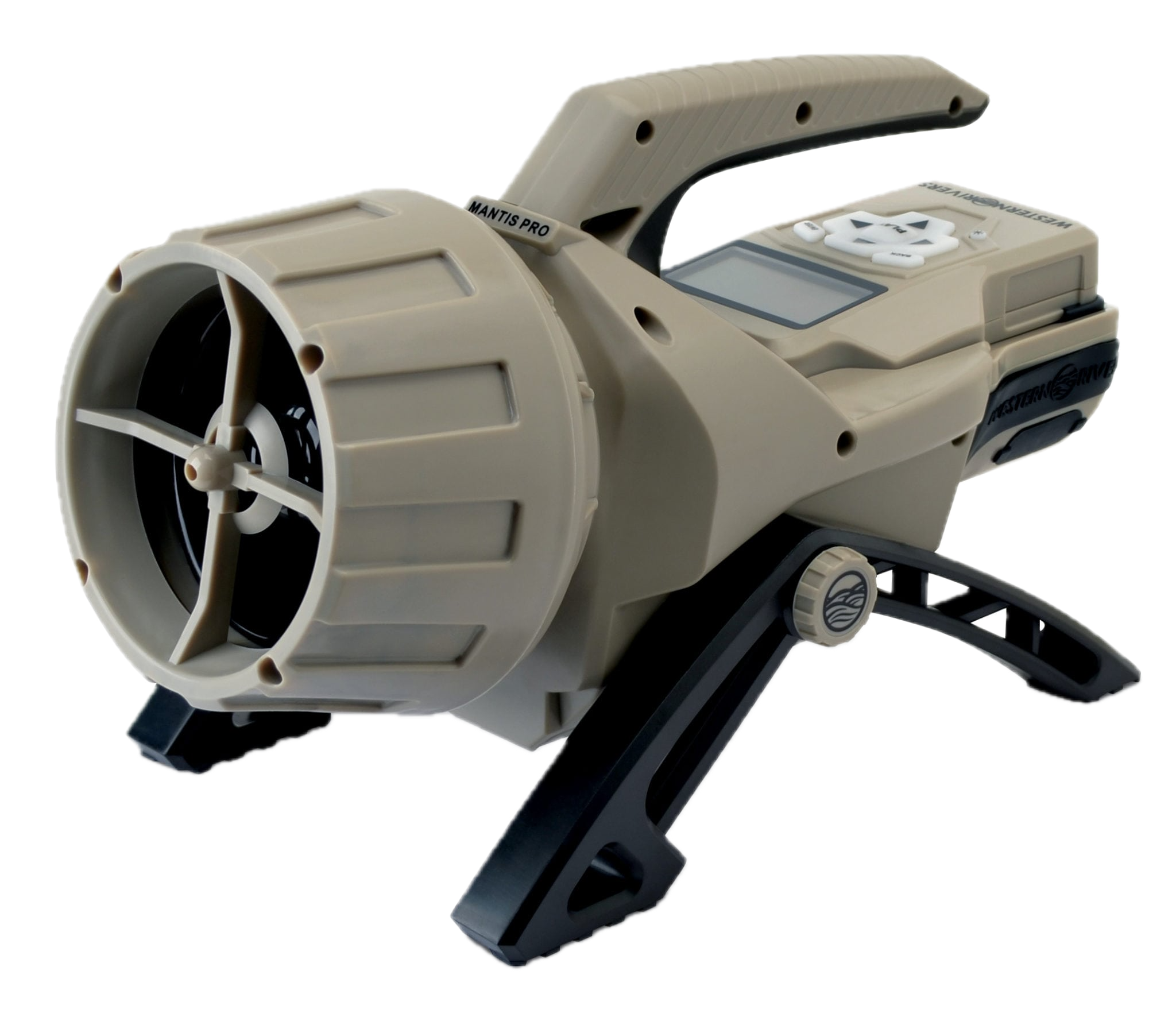
Call coyotes from a bedroom at midday. Oftentimes, they hold up in large cedar thickets and come out to a dying rabbit call.
With that in mind, keep your distance. If you have a deer hunting background, you understand that if you bump deer repeatedly in a bedroom setting its likely they’ll find a new hideout. They rarely leave a home territory, but they will dig in deeper to avoid human encounters. Coyotes are similar, albeit they have more tendency to roam if they don’t appreciate your presence.
Noting that, your best attack method is to hunt the fringes. Determine travel corridors, whether it’s creeks, field edges, or timber peripheries, and locate calling sites with good vantage opportunities combined with prevailing wind benefits.
How to Hunt Coyotes [HuntClass]
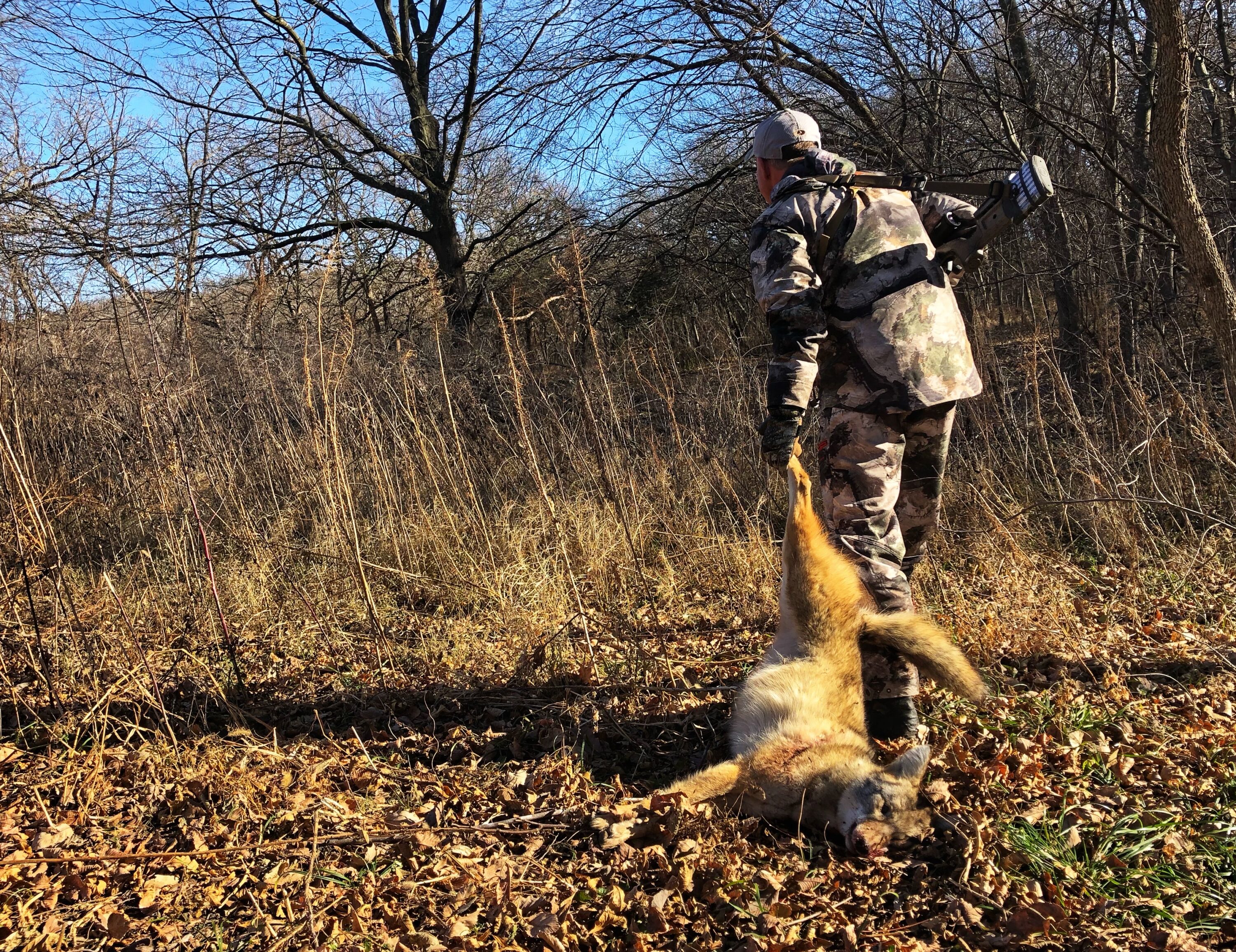
Coyotes might bed anywhere in the East or Midwest, but they do prefer to hide out in areas where human activity is less.
How far away you set up from a suspected coyote bedroom has many variables. Nevertheless, coyotes will hear your calls on calm days from more than a mile away. If terrain allows, slip into a half mile away from sanctuary zones and you should be able to pull any coyotes out that have napped long enough.
A coyote bedroom might not be as sure of a strategy as finding a whitetail bedroom, but coyotes definitely have preferred daytime refuge retreats. Locating a handful of these can be beneficial when calling is difficult, or you only have time for a set or two on a busy weekend.