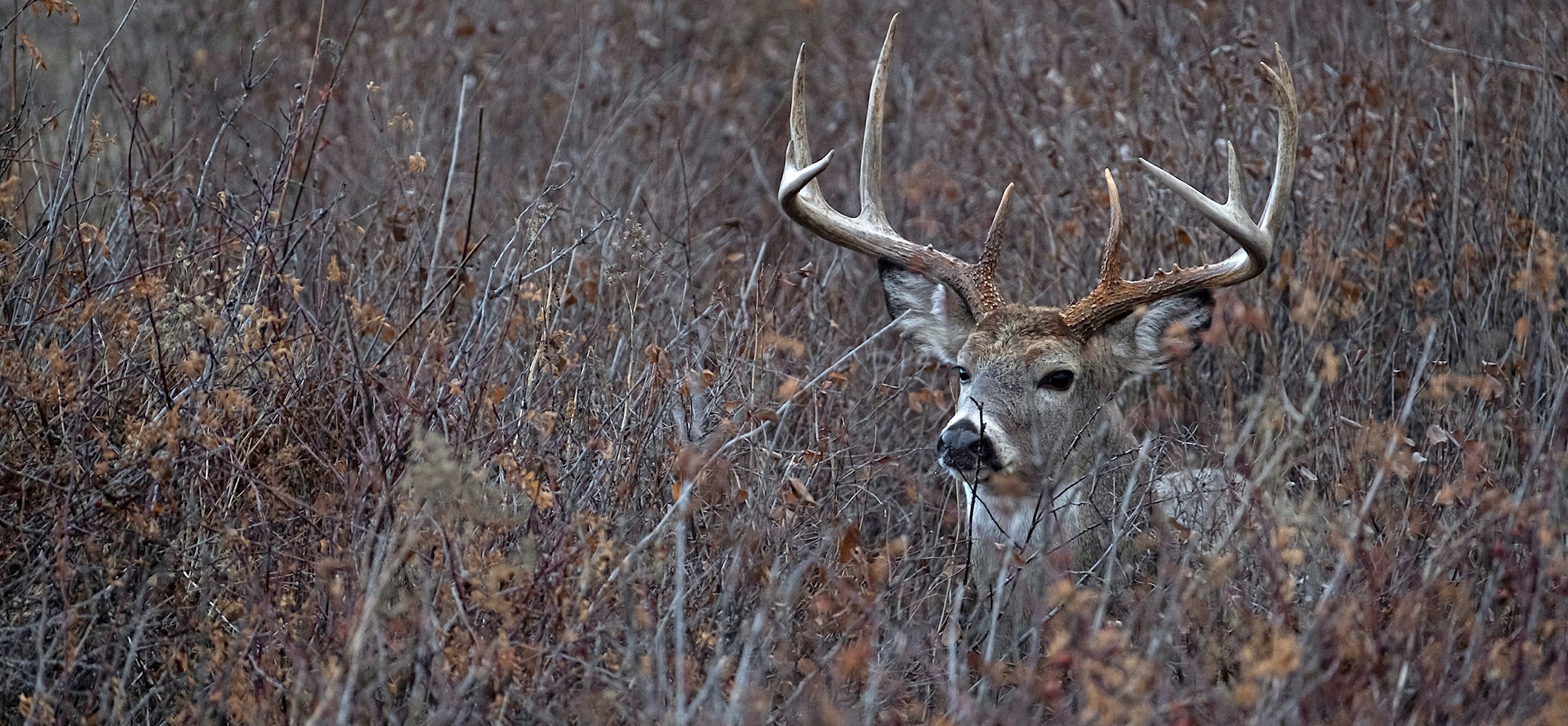







The best deer hunters exhibit important traits and skills.
Some deer hunters are casual outdoorsmen and women. Others are more serious about their craft. Those among the latter, or who aspire to be, typically possess certain mindsets, skills, and other things that make deer hunters great. Follow along for overlooked and unappreciated traits often displayed by the best deer hunters.
1. Deciphering the Good Information from Bad Advice
One of the most important elements of deer hunting is continued learning. However, that requires being able to decipher the good information from bad advice. Being able to sift through all incoming talking points requires an internal filter, and an ability to identify what to retain and what to toss into the trash bin.
Of course, deer hunting is full of myths. Whitetail truths that some hunters refuse to believe due to long-held falsities? Bucks move better with higher winds. Light to moderate rain boosts deer movement. The rut is not impacted by moon phase or position. Deer see in color (shades of blue and yellow). Deer move more around dawn and dusk than any other time of day (or night). Culling for antler size in fact doesn’t improve wild deer herds. The list goes on.
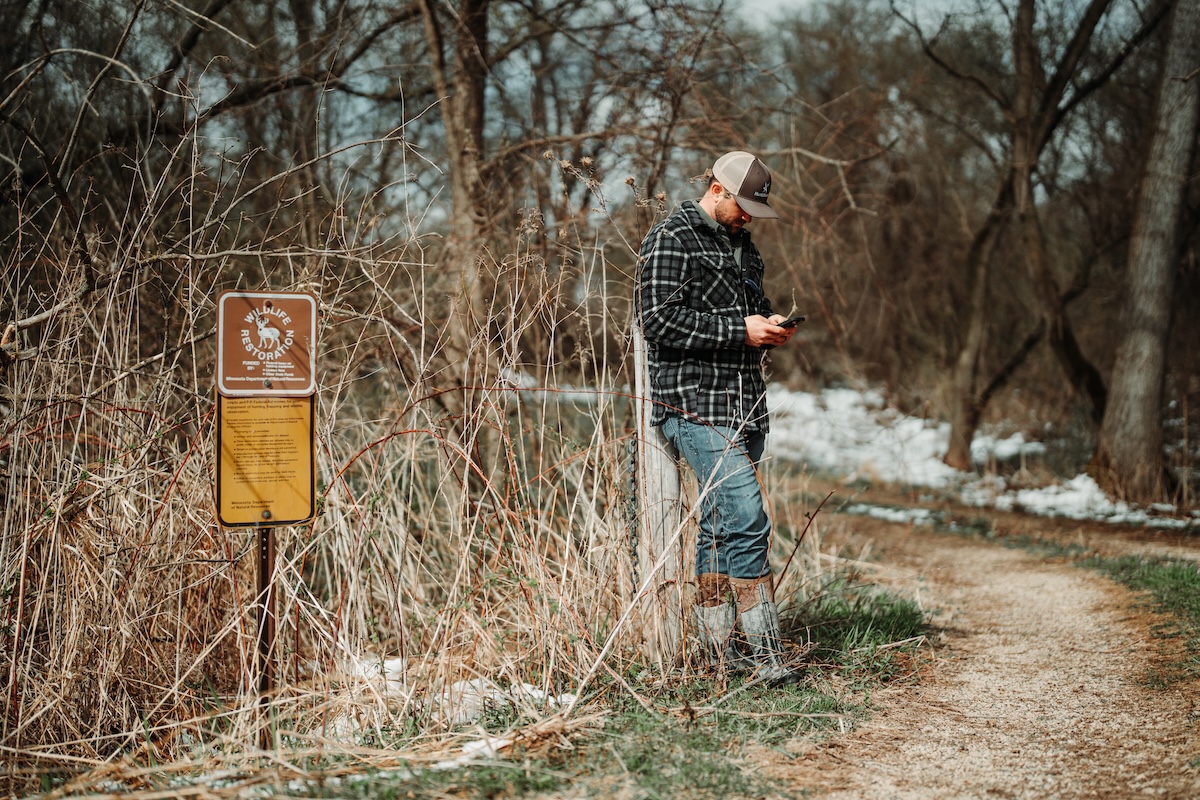
Maintain old-school skills while embracing new technologies.
2. Maintaining Old-School Hunting Skills
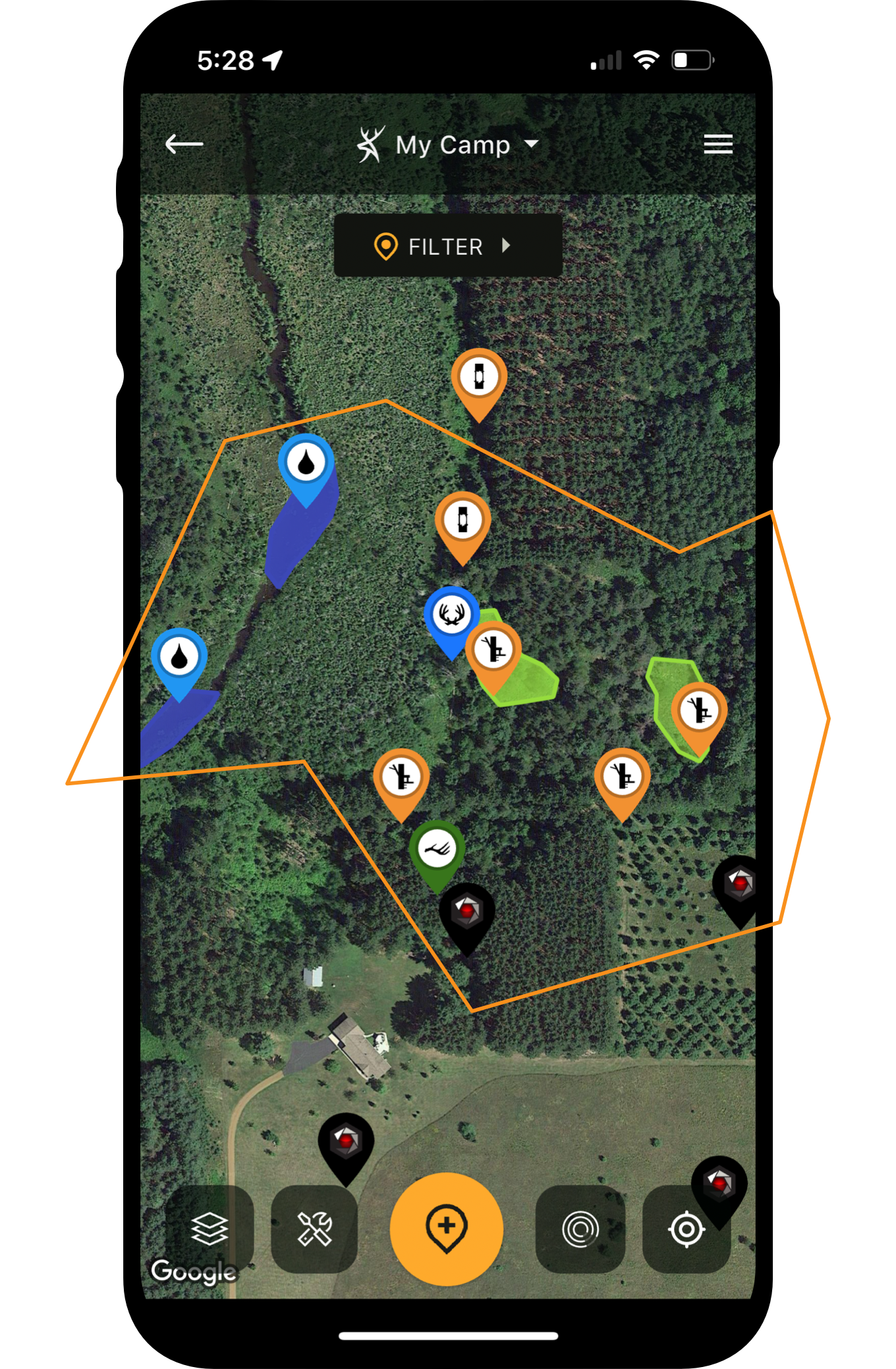
The advent of new technologies (think cell cams, hunting apps, etc.) have made incredible advancements in the hunting world. I and many other hunters welcome these with open arms. Furthermore, I and many others work to get the most from these useful tools.
Despite these assets, it’s crucial to maintain old-school hunting skills. Keeping these in our arsenal allows for enhanced abilities in the deer woods. Don’t use new-school gear to completely replace old-school tactics. Instead, use these in conjunction to complement efforts in the field.
3. Possessing Extraordinary Observational Skills
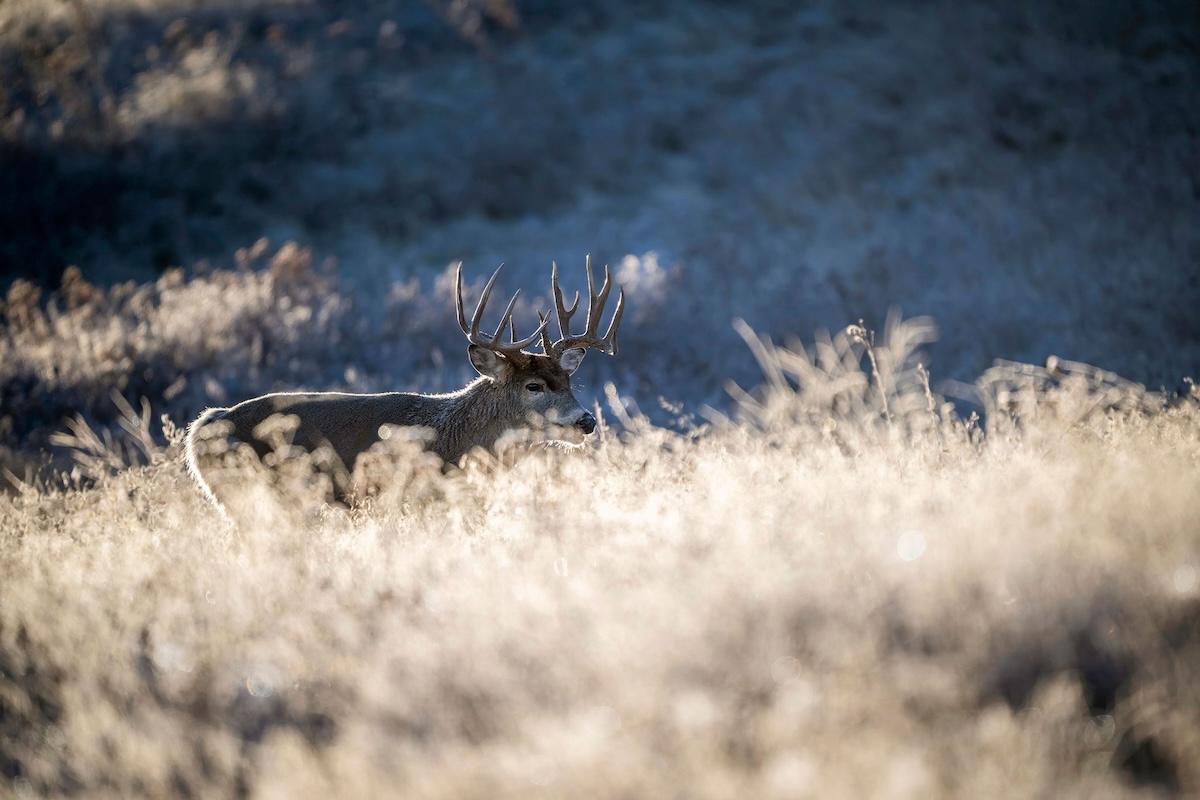
Skilled deer hunters have extraordinary observation skills. Seeing the small details is part of finding, patterning, and harvesting mature bucks. Seeing the subtleties of deer tracks and trails. Recognizing details behind daylight trail camera photo appearances. Understanding why a deer bedded on this ridge instead of that ridge. These and more are examples of how great observational skills make deer hunters better.
Chart a Buck’s Home Range and Core Area with HuntStand Markers

Spend more time prepping for the hunt and the hunt itself will be even better.
4. Spending Significantly More Time Prepping Than Hunting
Good deer hunters practice and prepare. But great deer hunters spend significantly more time prepping than hunting. This ultra-emphasis on scouting and planning are the catalysts for when opportunity arrives. The cliché stating you create your own luck is quite true. Those who invest much time into hunting a specific deer stand to experience greater results.
5. Interweaving Planning, Adaptability, and Execution
As noted above, as with most endeavors, successful whitetail hunters plan. They also understanding how to adapt to changing conditions and new information. And without question, they’re masters of executing important tasks. All said, while these are all separate skills, great deer hunters understand how to interweave these and implement all of them fluidly.
Edge Habitat for Deer (and How HuntStand Helps Find It)
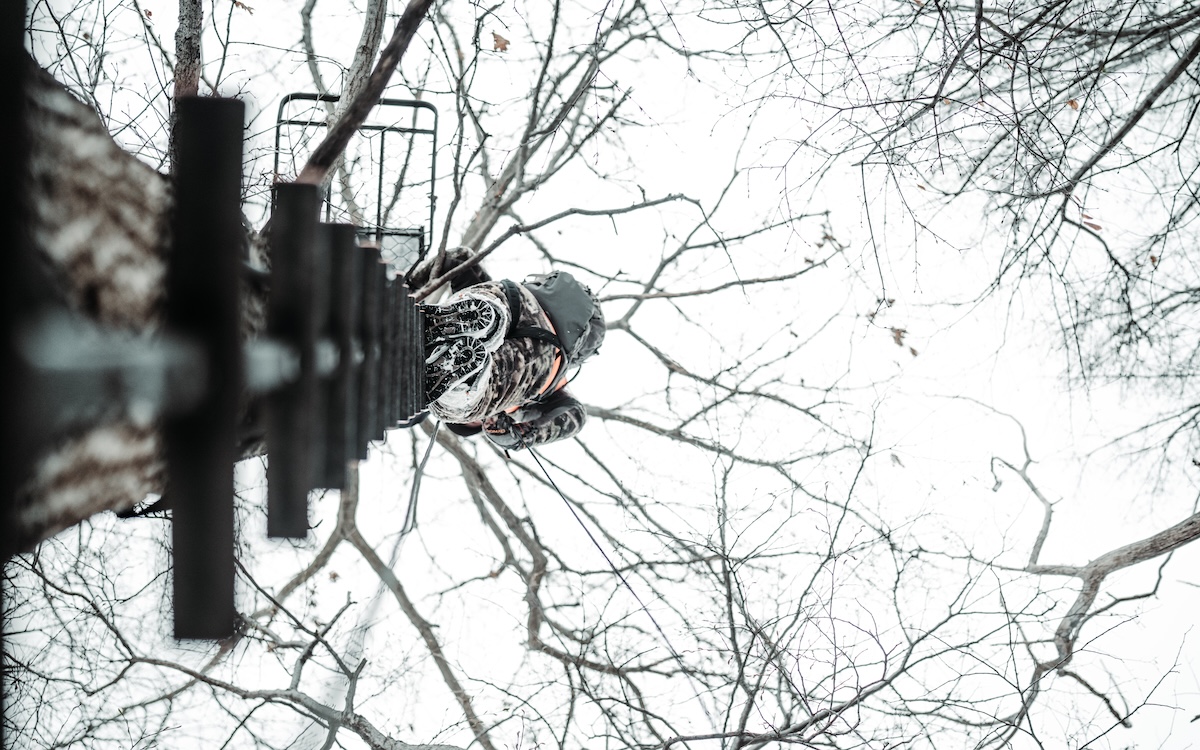
Practice distinguished patience and self-control.
6. Having Exceptional Patience and Self-Control
Patience is a needed virtue to be a good deer hunter. Tagging mature bucks doesn’t happen overnight. This isn’t a task you complete with a day or two of work. Rather, it takes many days of prep work leading up to deer season, and more work once season opens, to create shot opportunities at big deer. It requires patience to work through all of the important tasks, as remedial as some might feel.
Likewise, once hunting, it takes patience to wait for the right opportunity to present itself. Furthermore, self-control is needed to pass those borderline bucks that need another year or two to reach the size of deer you really want to hunt. Similarly, that same self-control is needed to pass big deer while waiting for bigger ones to walk through.
7. Discerning the Differences Between Hunting Deer and Hunting Mature Bucks
Another common saying, but commonly overlooked statement, is that hunting deer and pursuing mature bucks are two different things. Certain tactics work great for shooting does and younger bucks. These same tips aren’t ideal for targeting mature whitetails.
Therefore, hunters must re-learn some of the things they’ve been taught when hunting deer in general. For example, more times than not, having a “perfect” wind direction will not result in a big buck sighting. It certainly won’t result in an archery harvest. Instead, implement just-off wind directions to experience far more encounters and opportunities.
Next-Level HuntStand Tips for Advanced Deer Hunters
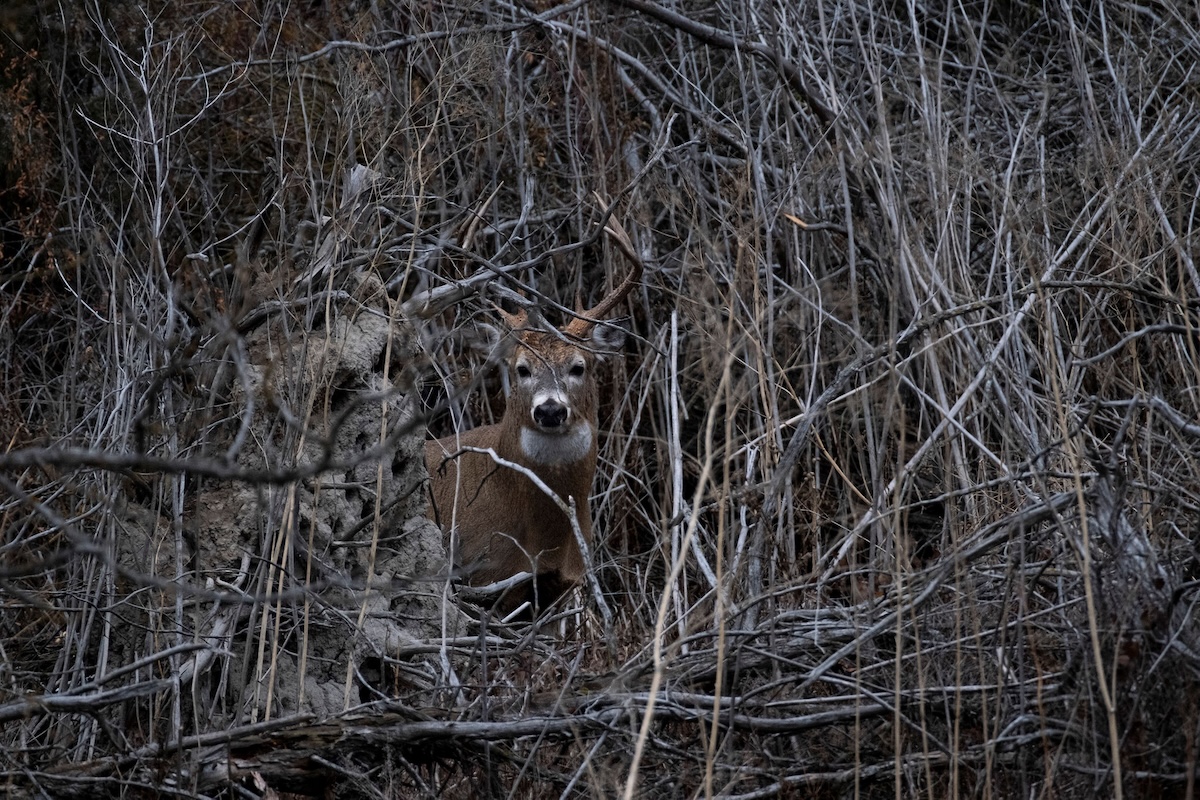
Learn the nuances of how deer use the wind.
8. Knowing the Relationships Between Wind Directions and Deer Behaviors
As alluded to above, whitetail bucks are connoisseurs of wind. There are many different ways that all whitetails, but especially older bucks, use it to their advantage. The best deer hunters understand the relationships between wind directions and specific deer behaviors.
For example, upon returning to bedding areas, they’ll fishhook into their bedroom with the wind in their nose. While bedding, bucks commonly bed with the wind at their back. If wind directions change, they’ll change locations or at least shift their bedding position. When heading back toward food sources, they’ll take routes that allow them to detect danger in the directions they’re heading.
Regarding thermals, of a morning when they rise, bucks travel along the upper thirds of ridges to smell everything down below. Of an afternoon when thermals start falling, bucks travel lower to smell everything up above. Deer even enter open areas from the lowest points to smell scent that’s collected from multiple directions and pooled in these entry points. And without question, a good thermal hub attracts big deer.
9. Recognizing the Right Times to Make Moves
Exceptional deer hunters also express patience in terms of knowing when to make moves. Likewise, they also know when to wait and hold. Being able to anticipate their window for success is an ability all great deer hunters possess.
Seeing a big weather front on the horizon. Identifying a temperature drop in the forecast. Anticipating the big switch from green soybean fields to white oak acorns. Knowing when bucks really cut loose in search of estrus does. These and many more are examples of opportunity windows and whitetail pattern shifts that hunters must recognize, anticipate, and capitalize on.
Pre-Season Deer Hunting Tasks for Summer
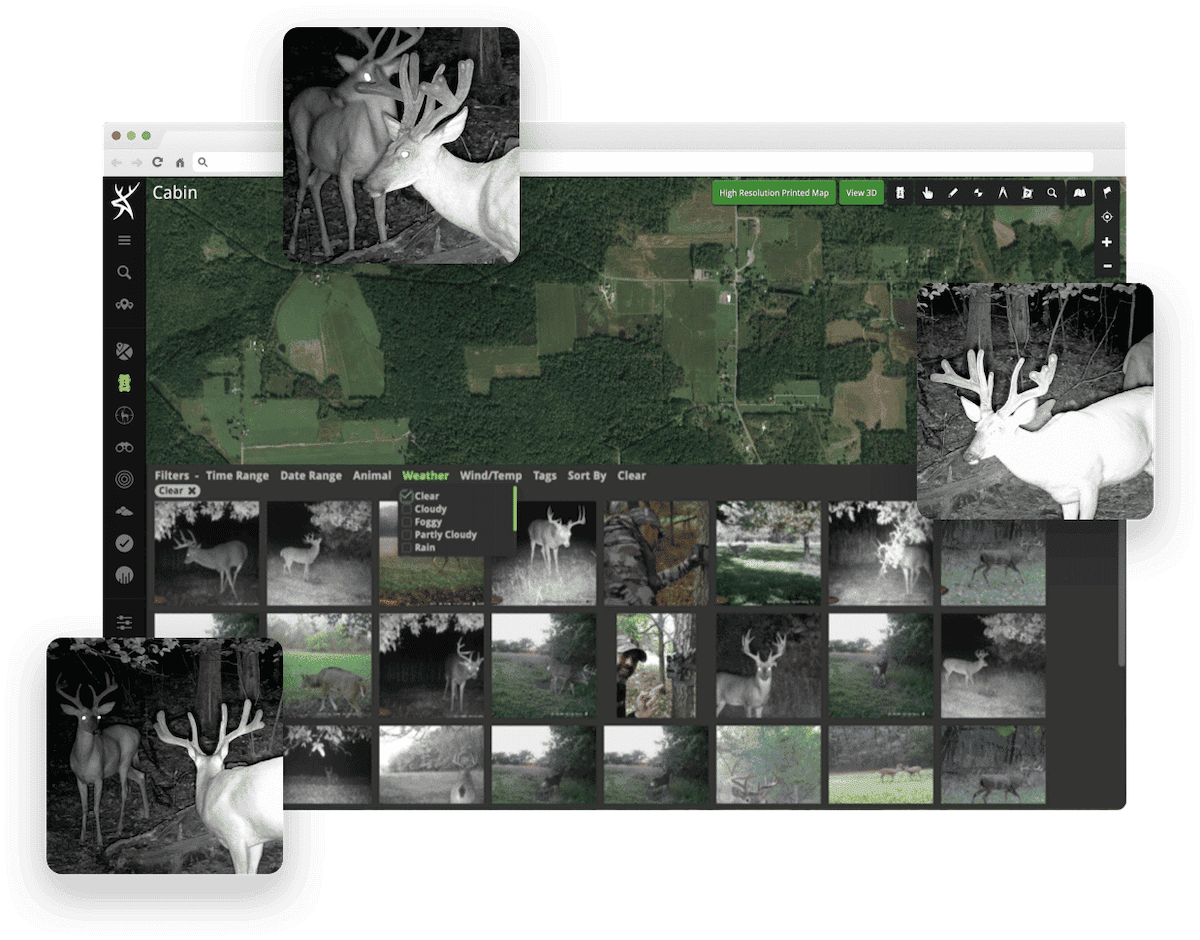
Learn to think like a deer and a deer hunter.
10. Thinking Like a Deer and a Deer Hunter
Thinking like a deer hunter gets you a long way. But thinking like a whitetail and a deer hunter takes it to the next level. Trying your best to anticipate what deer do, why they do it, when they do it, and how they do so, are requirements for thinking like a deer.
With a firm understanding of the whitetail’s mindset, it’s time to assess the same but from your specific target buck’s point of view. Each mature deer expresses unique tendencies and traits. Factor these in when game planning.
Then, think like a deer hunter. Consider the things you need to do to capitalize on the habits in play by the specific target deer.
11. Integrating Available Hunting Technologies
Using available tools. That’s something all great deer hunters implement. They understand how to integrate available hunting technologies into their game plans. This takes the effectiveness of each individual tool and amplifies these even more.
For example, they recognize the benefits of integrating the HuntStand and Command Pro apps. The Command Pro app, which manages Muddy and Stealth Cam cell cams, integrates seamlessly with HuntStand. With that, hunters can better organize their trail cam photo locations, generate better reports, and scout more effectively.
Ways to Use Live View with Cell Cams
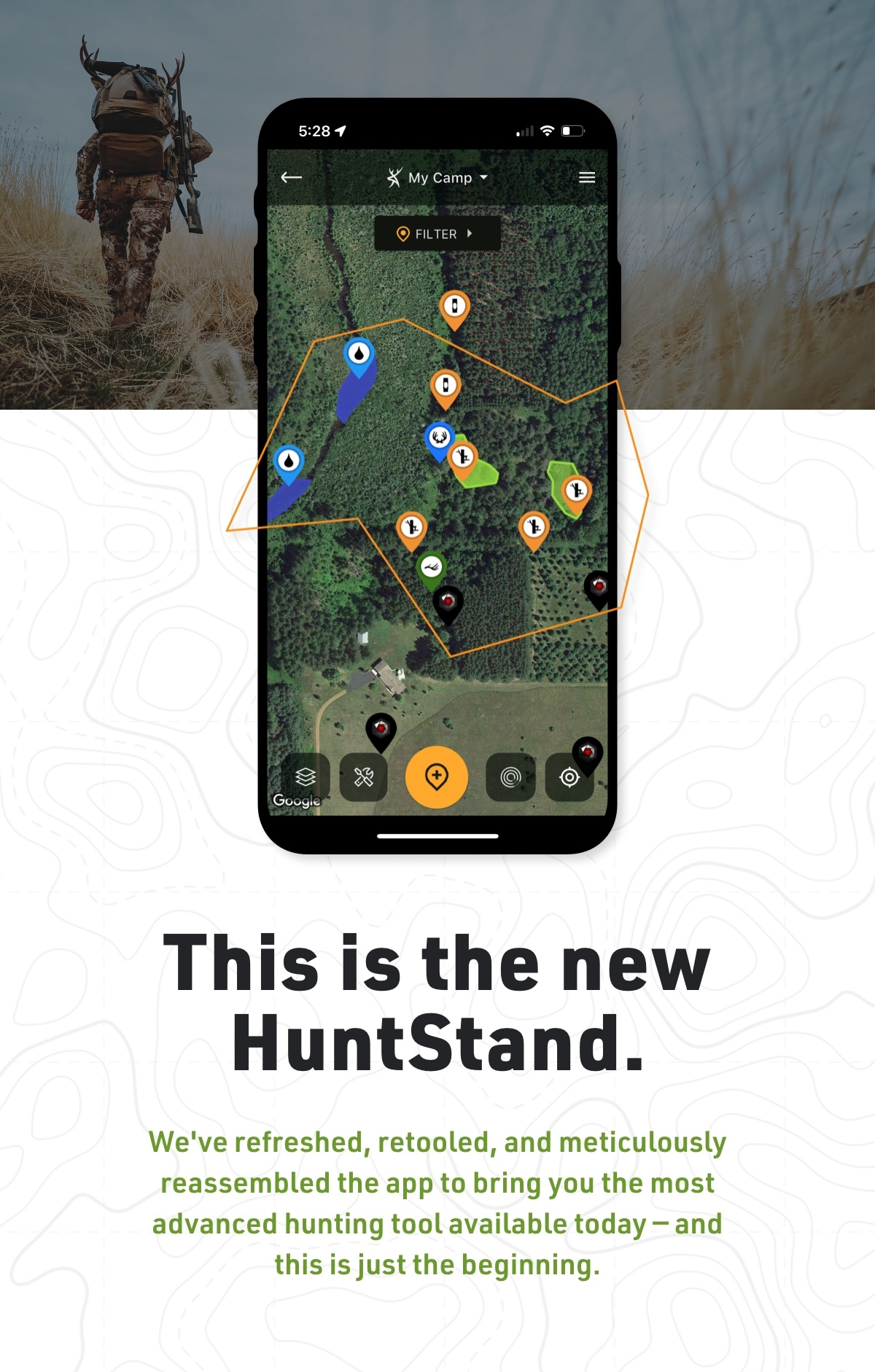
Use HuntStand to help take your game to the next level.
Upgrade to HuntStand Pro Whitetail
Those who haven’t already should consider upgrading to HuntStand Pro Whitetail. It comes with many benefits, of which even the best deer hunters can take advantage of.
UPGRADE TO HUNTSTAND PRO WHITETAIL