






Use HuntStand to help complete all of your pre-season deer hunting tasks.
Spring turkey season came and went, and the whitetail pre-season is here. How should you spend the days leading up to deer season? Consider the following pre-season deer hunting tasks for summer. Complete some or all of these, and you just might be the most prepared you’ve ever been to shoot the whitetail buck of your dreams.
1. Learn From Last Year’s Mistakes
If you’re like me, chances are you made plenty of mistakes last deer season. It’s crucial to learn from these. Self-reflect, recognize needed changes, and amend things this year.
2. Identify Summer Bedding Cover
Identifying summer bedding cover is important for early season deer hunting. Depending on your opening day, deer might carry over their summer bedding area use into the early days of deer season. That’s very valuable intel. Use past intel, current trail cam photos, and glassing from afar to find these locations. Remember, deer often look for cooler areas, such as north-facing slopes, low-lying areas, near water, etc.
3. Pinpoint Pre-Rut Bedding Areas
As with early season bedding, it’s crucial to determine the location of pre-rut bedding areas, too. Doing so during the summer can help make preliminary pre-rut game plans long before it’s time to hunt. Of course, use historical intel from trail cams and past encounters to guesstimate these spots. Oftentimes, deer start bedding closer to thicker cover and producing white oak trees.
4. Find Doe Bedding for the Rut
Bucks continue using their preferred bedding areas, even during the rut. However, they’re focused on doe bedding areas, too, which tend to be used more loyally and don’t change as frequently as buck bedding. Therefore, locate where does usually bed to find better stand locations for the rut.
5. Locate Late-Season Bedding Areas
The last phase of deer season, hunters must know where late-season bedding areas are as well. This assists with making important decisions for the final weeks of the hunt. Focus on solar bedding (South-facing slopes) and thermal bedding (dense stands of conifers). For this and each aforementioned phase, hunters can make plans to hang stands and get things done well before it’s actually time to hunt. Then, hopefully only small adjustments are needed (at most).
6. Study All Seasonal Food Sources
Just as it’s important to know bedding areas locations, it’s crucial to know all seasonal food sources and their locations. Ag fields, acorn crops, natural browse, food plots, and much more — study the locations of these and know when they peak. Paired with bedding area locations, you can better understand how deer use and maneuver the property.
Spring Whitetail Scouting 101: Making a Plan for Fall Deer Seasons
Determine if anything on the landscape changed from last year.
7. Verify All Landscape Changes from Last Season
Most properties see minimal change year-over-year. Unless managed, the only alterations are aging trees and plant life. That said, if something changes, hunters must know about it. Logged timber, rotated crops, removed fence rows — these and many more impact how deer use and behave on the property.
8. Clean Up All Cams
Trail cameras — SD and cellular models alike — get dirty. Clean these inside and out. Remove all dirt and grime from the exterior. Clean all battery corrosion, rusted, and otherwise fouled contact points on the inside.
9. Deploy Available SD Trail Cameras
Traditional SD cameras are still relevant. If these are all you have, deploy these into good areas that you can check without spooking deer. Don’t check cams too frequently, but as needed, or when you eventually go into hunt these areas.
10. Post All Cellular Trail Cameras
Where legal to use, cellular trail cameras are the way to go. Post all cell cams in your best areas. To maximize battery life, and reduce the need to replenish batteries, pair with external battery sources. Examples include battery boxes, solar panels, and combinations of both.
11. Improve Wind Thermal Understandings
Deer use thermals to their advantage. So should you. Remember, when the morning sun warms up the ground, thermals rise. Once the afternoon sun drops lower, thermals fall. Deer know this and travel the land in ways to capitalize on these currents. For example, in the morning, bucks travel along ridges to smell everything down below. In the afternoon, deer enter open areas from the lowest points to smell the collected scent from all around. Knowing these things helps plan for hunts.
12. Inspect All Treestands
Treestands, like all man-made gear, degrade over time. Inspect all treestands, climbing systems, and safety lines. Repair and replace as needed. Never use faulty or weakened treestand equipment. Falling is the No. 1 killer of deer hunters. Don’t let that be you.
13. Patch All Hunting Blinds
Soft-sided hunting blinds tend to get rips, tears, and holes. Patch all hunting blinds as needed. Sow tears. Tape holes. Repair other issues with hub-style and other blind types.
HuntStand’s Guide to Post-Season Scouting for Deer
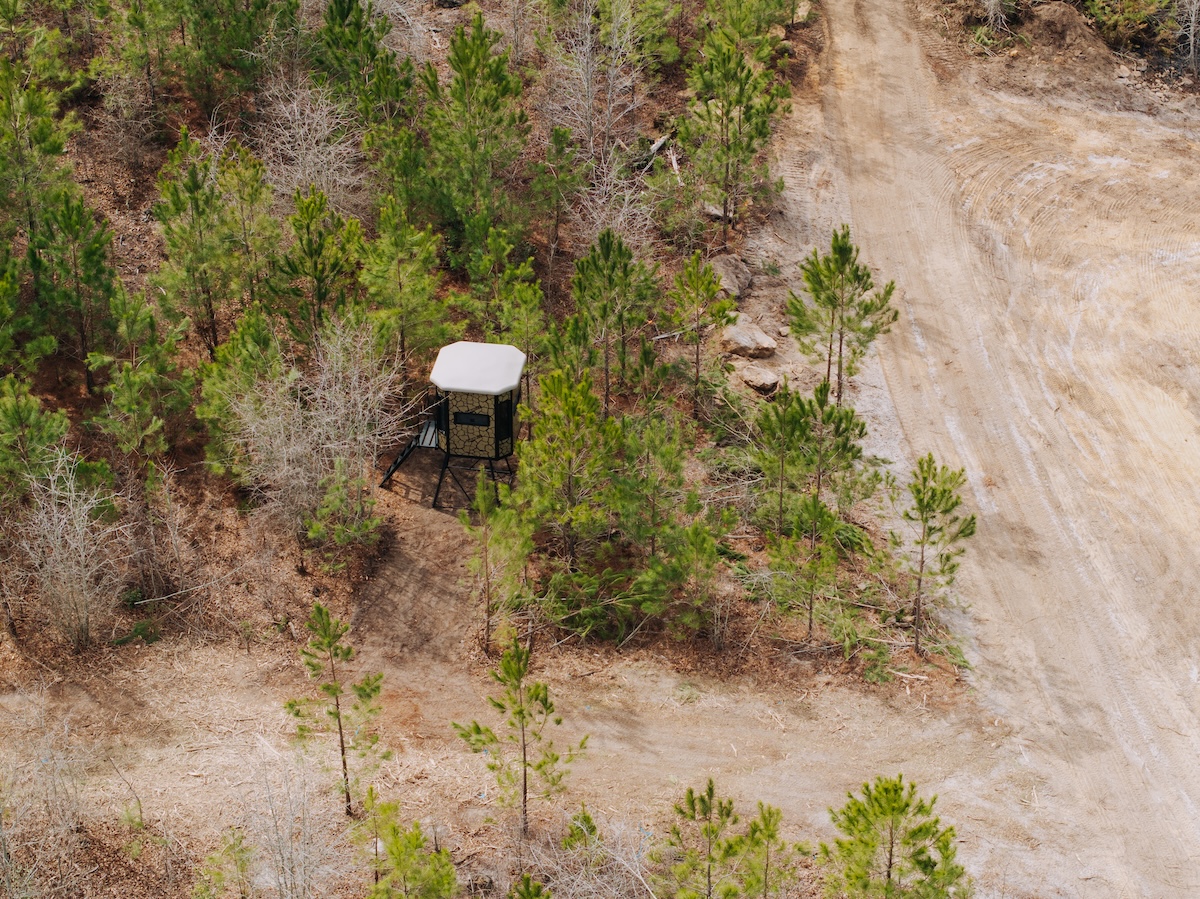
Check all treestands and hunting blinds for needed improvements or updates.
14. Check Blinds for Wasps and Other Undesirables
Permanent blinds sometimes become homes for pests. Check each of these for wasps and other undesirable bugs. The last thing you want is to arrive on opening day and realize you can’t hunt because of wasp nests in each corner.
15. Replace Unrepairable Hunting Gear
If any gear is beyond repair, just replace it. Don’t put yourself in an unsafe situation because you used gear that wasn’t fit for the field. Buy new gear, or budget and save so that eventually you can.
16. Hang All Available Permanent Stands
If permitted by landowners and (public) hunting regulations, some treestands should be hung long before deer season arrives. This reduces pressure and allows hunters to be more prepared. Then, small adjustments can be made closer to and during deer season.
17. Set Up a Lightweight Mobile Hunting Option
Permanent stands are great. These should be positioned in the areas you most anticipate hunting. However, it’s good to prep a lightweight mobile hunting option that you keep on hand. This is a system you’ll never leave in the field, but always keep with you, for last-minute, hang-and-hunt missions.
18. Silence Treestands and Hunting Blinds
A small bit of noise can ruin a deer hunt. Therefore, it’s crucial to silence your treestands, hunting blinds, etc. Pad these in common contact or otherwise noisy areas. Use adhesive felt strips to reduce noise concerns.
19. Maximize Treestand Safety
Implement the utmost treestand safety. Buy a safety harness. Install safety lines for all treestands. Wear a lineman’s belt when hanging stands. These and more are great practices.
20. Trim All Necessary Shooting Lanes
It’s best to trim shooting lanes in winter when leaves are off. (It’s easy to trim too much when leaves are on.) That said, trim as needed for new and existing stand locations. Strike a balance between leaving enough cover and making shots possible.
Are Deer Patterning You Instead?
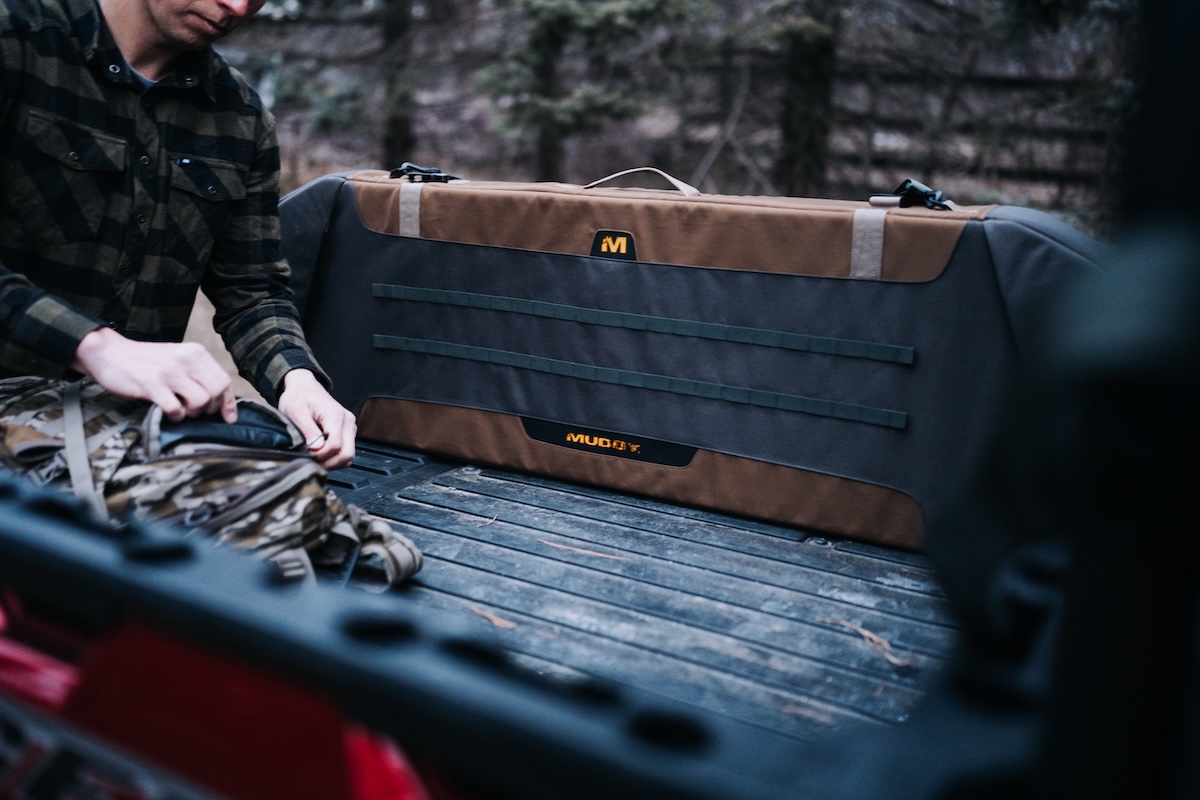
Get to know your hunting pack better.
21. Update Your Hunting Pack
Some might need to buy a new hunting pack. Others might need to replace some of its contents. Regardless, update your pack system and be ready for deer season. Gear preparedness matters.
22. Memorize the Exact Locations of Pack Contents
One of the most overlooked areas of deer hunting is knowing exactly where their gear is located. Hunters should know the exact pocket for each gear item. If you can’t find what you need with your eyes closed and can’t operate your pack quietly without the same parameter, you don’t know your pack well enough.
23. Familiarize with New Gear
Whatever new gear you purchase, familiarize yourself as needed. Become completely in tune with each piece of gear you have. This ensures proper use during high-stress situations. Waiting until a big deer is in front of you to learn a rangefinder is asking for disaster.
24. Clean All Hunting Gear
Bows, quivers, arrows, packs, boots, and more — clean all hunting gear. If needed, use an approved ozone system to remove unwanted scent from items, such as backpacks, boots, and more. Don’t leave these in for too long, though, or it can damage materials.
25. Get Hunting Clothes Ready
Have camo strewn all over the place? Get all hunting clothes ready. Hunting clothes serve multiple purposes. Hiding your profile (blending with the environment). Keeping you quiet (soft materials). Reducing scent as much as possible (although not something that can be 100%).
26. Sharpen Your Hunting Knives
A dull knife is more dangerous than a sharp one. And it’s far more infuriating. Therefore, hunters must prep their knives for deer season. That includes sharpening. Buy quality blades.
27. Get Your ATV/UTV Ready
Like all vehicles, ATVs and UTVs require regular maintenance. Oil changes, fluid checks, tire replacements, and much more — ensure your ride is in top shape long before deer season begins. Don’t break down during the hunt.
How to Plan a Killer Multi-State Deer Hunt
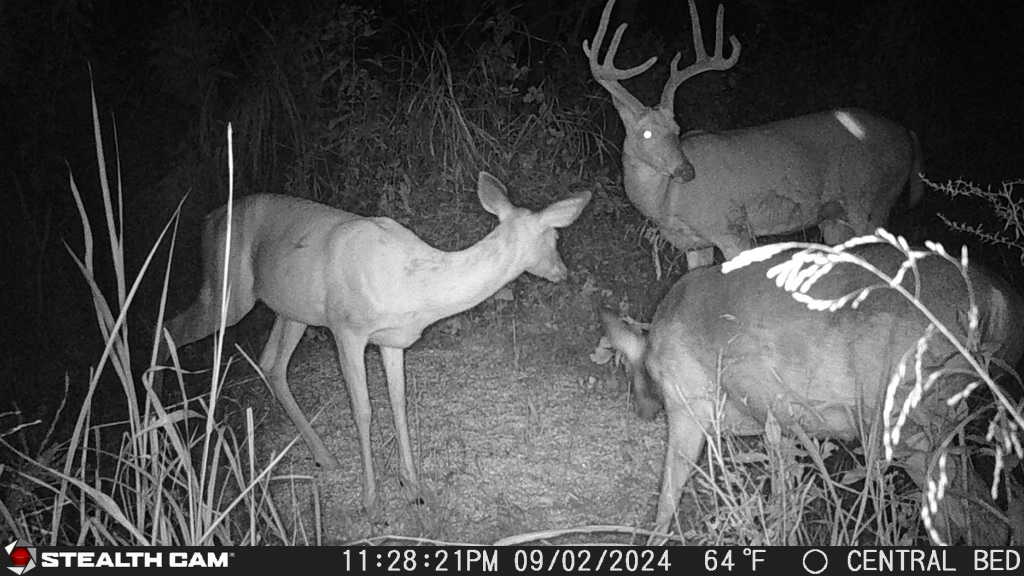
Learn the tendencies of your target buck.
28. Run Some Mineral Licks
Where and when hunting regulations allow, mineral is an important part of land management programs. At the very least, hunters can use it to help conduct deer population surveys and conduct buck inventories with trail cameras.
29. Take Important Soil Samples
Food plotting requires preparation. Part of that is taking soil samples. Pull soil samples for each area you plan to throw down seed. Take samples from multiple locations within each plot. For each one, mix all pulled dirt from each individual section, and send one composite soil sample test for each plot.
30. Plant Fall Food Plots
Late summer is the kickoff for planting fall food plots. Once the timing, rainfall, temperature, and other conditions are right, it’s time to get seed in the ground. In some instances, summer might also provide opportunities to plant last-minute early season food plots.
31. Craft Some Water Holes
Water holes can have excellent whitetail drawing power. Where water is limited, that’s even truer. Dig some water holes, or deploy watering systems, in strategic spots where you can hunt and/or monitor deer activity.
32. Make Some Mock Scrapes
Real scrapes already in use by deer are better. However, if you don’t find any on the landscape, need deer to travel through a certain area, or just want to deploy cams over these, consider making some mock scrapes. Position these in strategic locations.
33. Knock Back Some Predators
Summertime is the perfect time of year to reduce predator populations. This is also when fawns are being born. So, killing off some songdogs can save fawn lives and improve the deer population density. However, don’t hunt in areas where you’ll overly pressure deer.
34. Fine-Tune Your Hunting Rig
Bow, crossbow, gun — whatever your hunting rigs, use the summer to fine-tune these weapons. Get that unit in top working condition. Learn and master these tools the best you can. You’ll shoot better when it counts.
Edge Habitat for Deer (and How HuntStand Helps Find It)
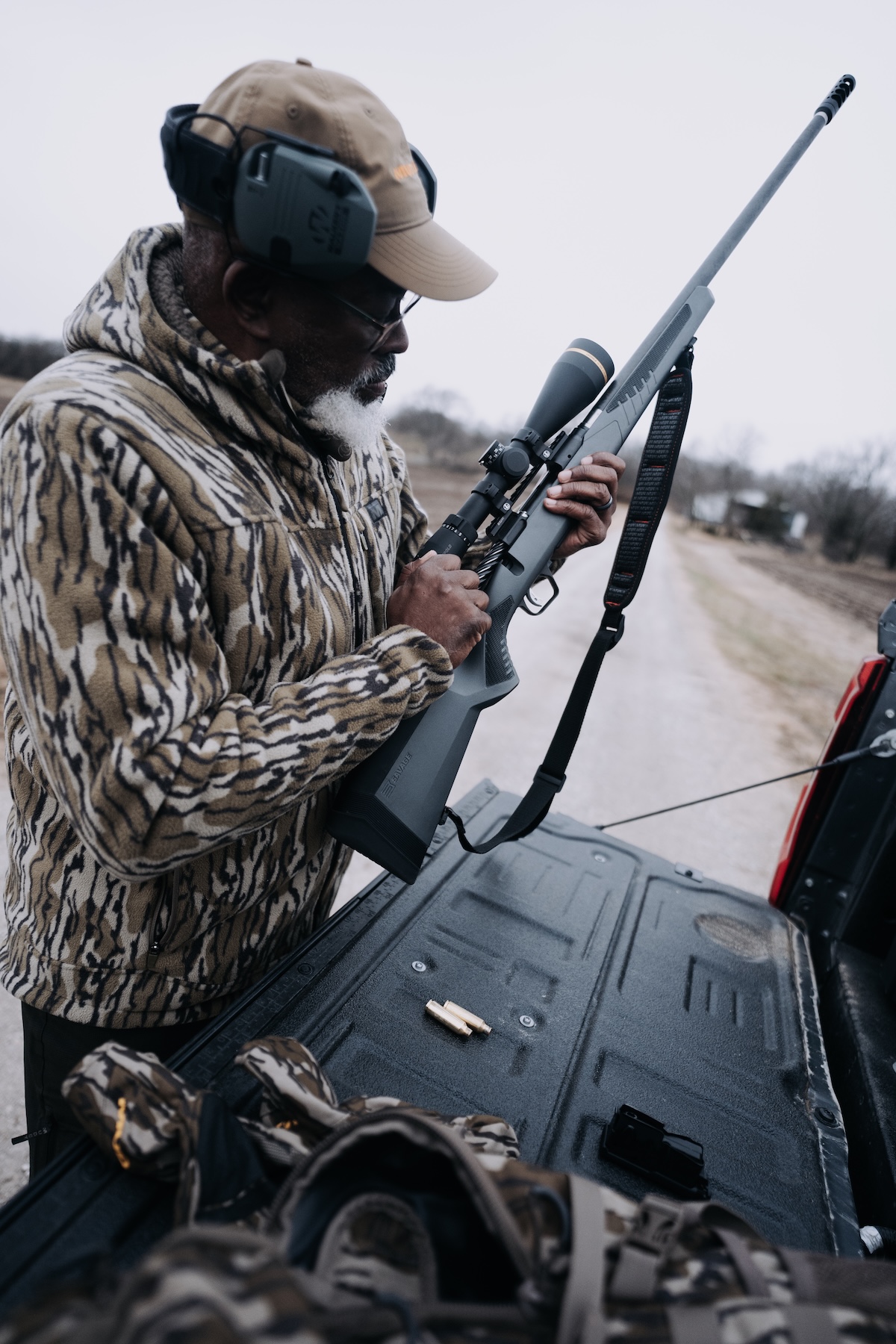
Practice with your preferred weapons long before the hunt.
35. Practice Shooting with Purpose
Don’t conduct meaningless range time. Instead, practice with purpose. Be deliberate about your practice shooting. Improve overall skills but focus on areas you lack. Do everything for a reason and elevate your game accordingly.
36. Simulate Real-Life Hunting Scenarios
Similarly, hunters should simulate real-life hunting scenarios. Hunt from a treestand? Practice from a treestand. Hunting from a blind? Shoot from a blind. Hunt in high winds? Practice with higher wind speeds. Whatever is common to your hunting experience, simulate practice sessions that improve your skills with these conditions and circumstances.
37. Talk to Your Neighbors
Those who cultivate good relationships with neighboring hunters stand to enjoy a better deer hunting experience. Therefore, summer is an excellent time to talk to neighbors, improve relationships, and align goals and expectations.
38. Find New Hunting Ground
For most, hunters can never have too much hunting land access. Therefore, finding new hunting ground should be a priority for everyone. Summer is a good time to accomplish this.
39. E-Scout with Key Assets
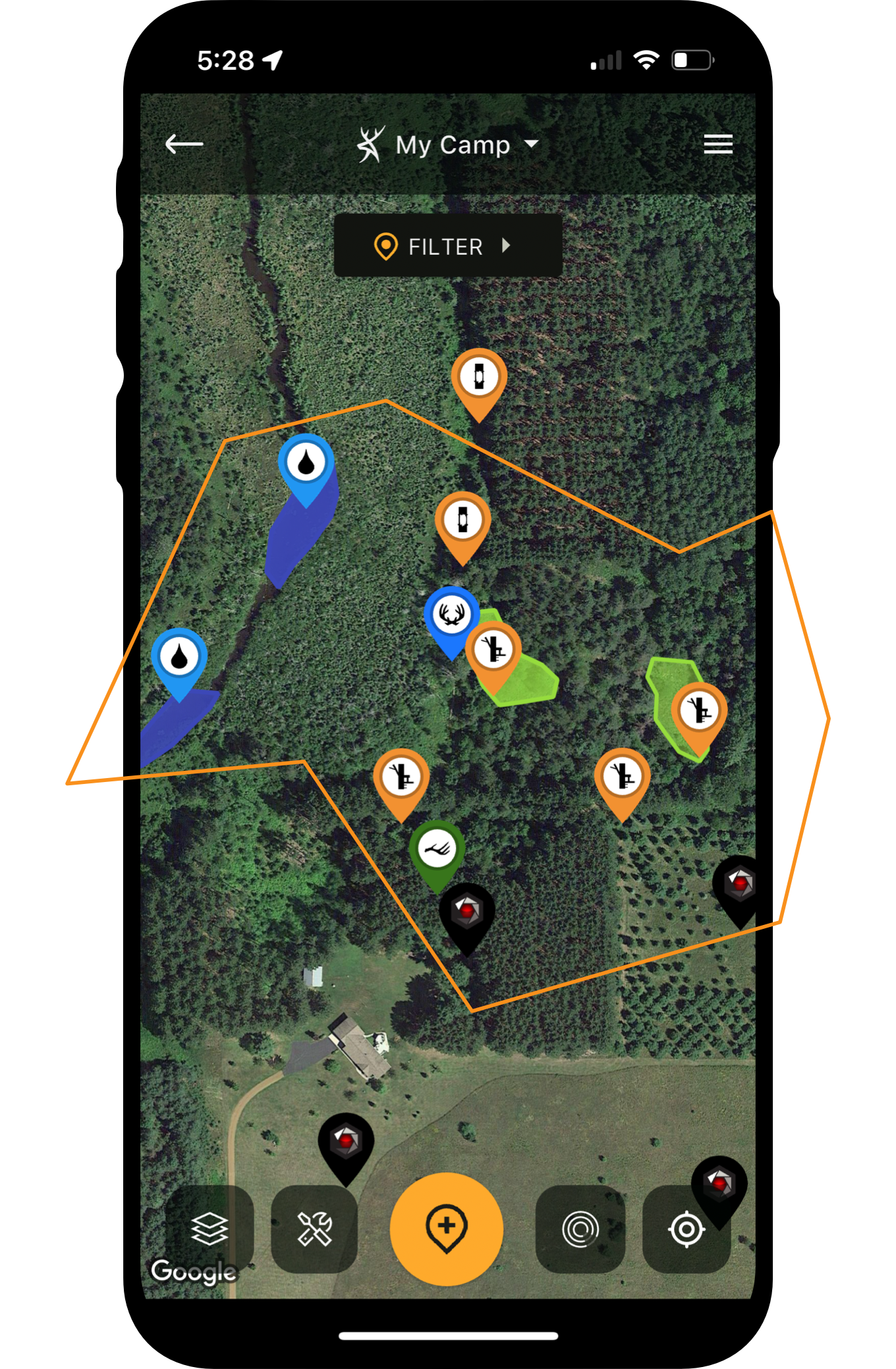
E-scouting is important before, throughout, and after deer season. That said, this tool is pertinent for pre-season efforts. Use key assets to prep for fall. Base Layers to consider (with an emphasis on habitat) include the 3D Map, Hybrid, Mapbox Satellite, Monthly Satellite, National Aerial Imagery, Satellite, and 3D Map. The Crop History and Tree Cover overlays are helpful, too. Those focused on topography include 3D Map, Quad Topo, and Terrain. Don’t forget the Contour overlay. Other tools are great for deer hunters, too.
40. Familiarize with Valuable App Tools
While HuntStand features are highly intuitive, these are very easy to use. Familiarize yourself with all valuable app tools to get the most from such assets. Again, don’t wait until deer season to learn what you can accomplish in summer.
41. Download Relevant Offline Maps
Some areas don’t offer much, if any, cellular service. Because of this, hunters should download relevant offline maps. This is also good for when phone battery life is running low. Turning on airplane mode can help save battery, all while still using the HuntStand app as needed.
Ways to Use Live View with Cell Cams
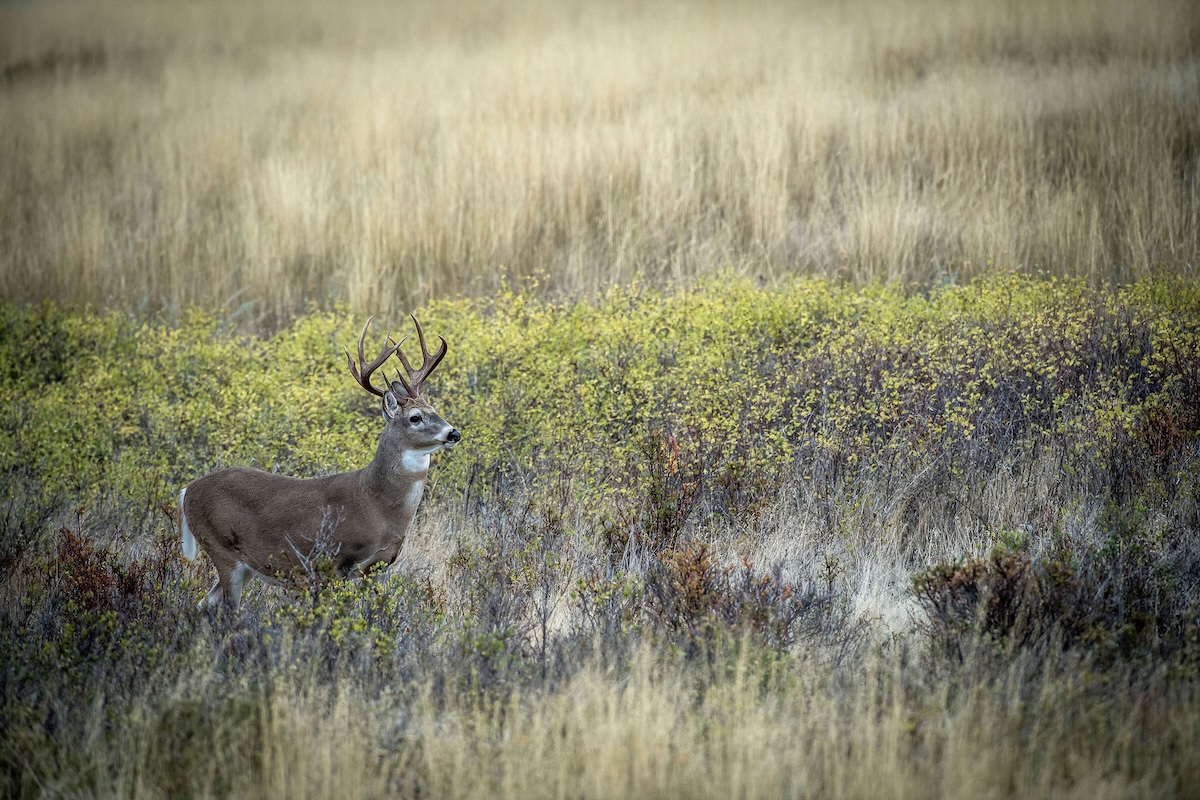
Glassing from afar can help drill down on patterns for opening week.
42. Glass from Afar
Summer is the ideal time to glass from afar. Bucks are in bachelor groups. They’re hitting big, open ag fields. Using optics from long distances helps take inventory, pattern deer, and more. Use this tool to set yourself up for early season success.
43. “Roost” Some Early Morning Bucks
One of the best ways to pattern deer, and locate their bedding areas, is to glass early of a morning. Oftentimes, if deer aren’t making it to fields before dark, you can sometimes catch them out feeding early of a morning. Then, by viewing the direction they go, reverse-engineer their bedding area locations.
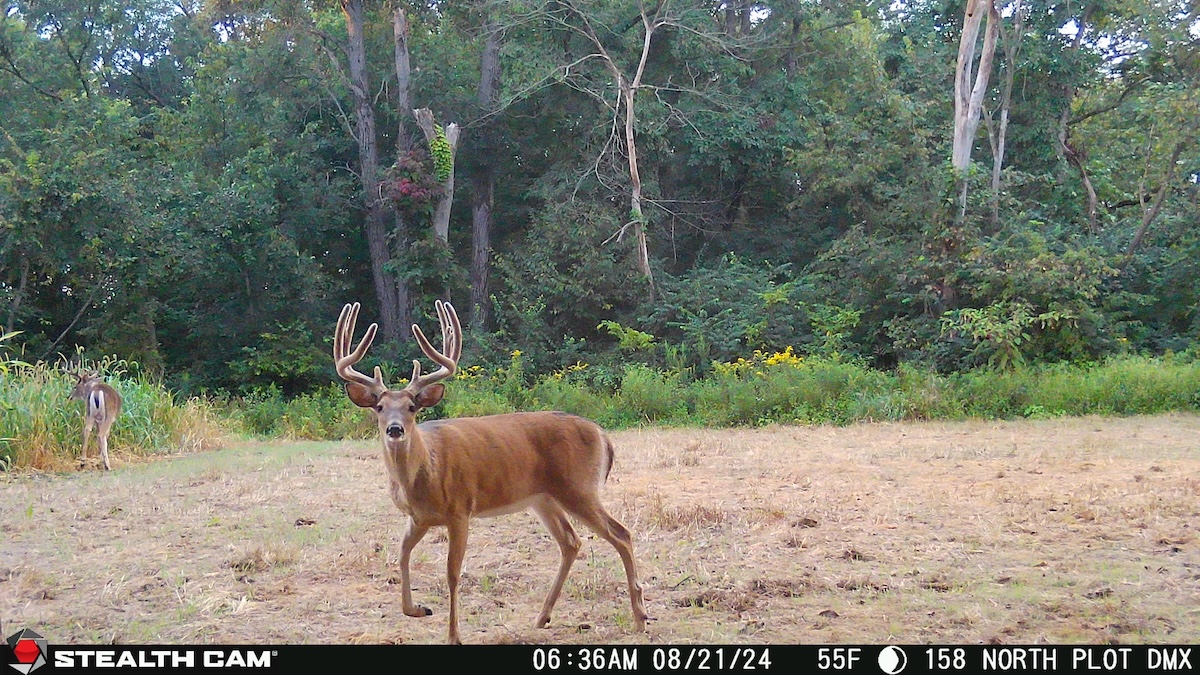
44. Study Incoming Trail Camera Intel
With trail cameras deployed, consider studying incoming trail camera intel. Begin deciphering patterns with available info. Study direction of travel, wind directions associated with daylight photo timestamps, and more.
45. Catalog All Trail Camera Photos
Trail camera photos are valuable intel that you’ve spent money to obtain. Therefore, it’s crucial to catalog all trail camera photos and organize these in a manner that allows you to study photos in the future. Keep folders for each unique buck. Equally important? Integrate the Command app (for Muddy and Stealth Cam) into HuntStand for auto-organization and generated reports.
46. Revisit Historical Trail Camera Data
Consider revisiting historical trail camera data. Study older photos from the previous year. Reflect on older photos of target bucks still on the landscape. Compile all this info and sift through it for relevance this season.
47. Recap Past Crop Rotation Effects
Oftentimes, specific unique bucks, and the overarching deer herd, exhibit similar patterns as past seasons when crop locations (rotations) were the same. Reflecting on this can help anticipate what deer will do this coming season.
48. Pattern Pre-Season Bucks
Those who enjoy opening days in August or September enjoy some carryover of summer patterns into deer season. By patterning deer late into the pre-season, hunters can establish great deer hunting game plans for the first week or two of the season.
A Detailed Guide to HuntStand App Tools for Deer Hunters
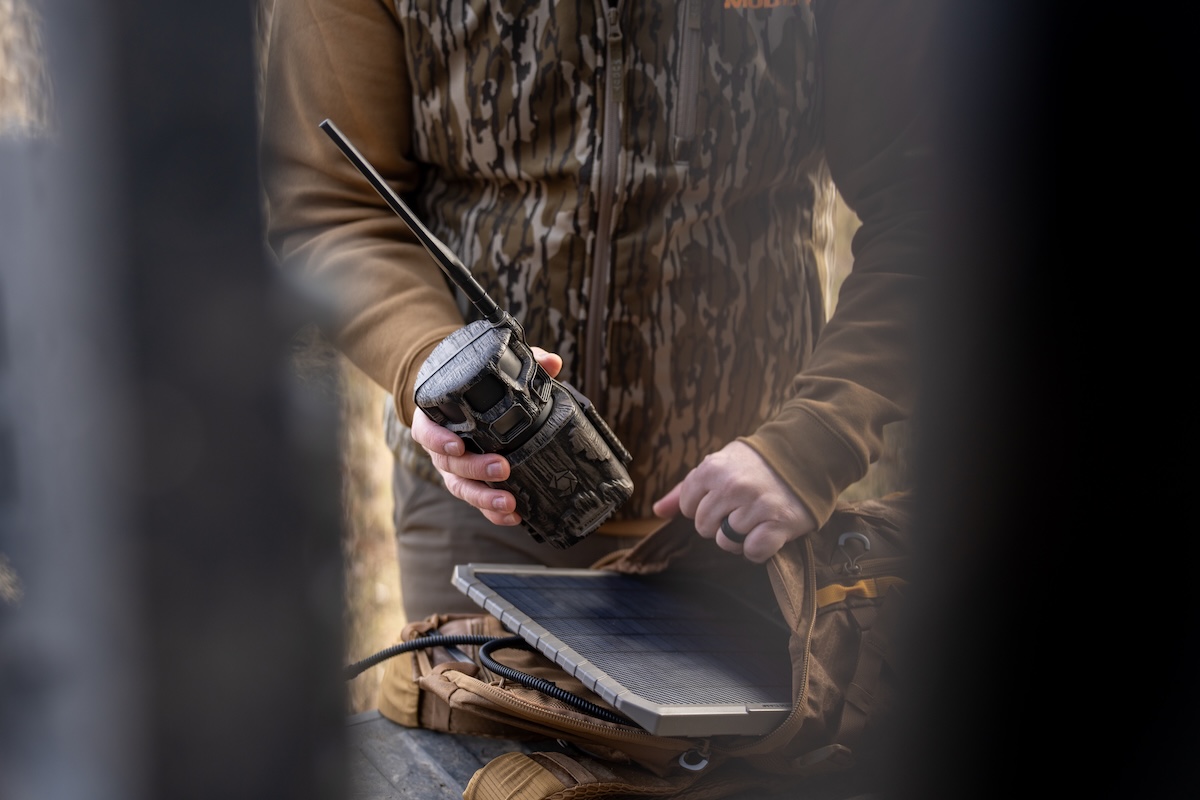
Scout more efficiently with cell cams.
49. Determine Individual Target Bucks’ Tendencies
By studying past intel, and more recent scouting notes, it’s possible to determine individual target buck tendencies. Discovering these key details can provide all-important clues for targeting these whitetails once the season opens.
50. Find the Chink in Their Armor
Whitetail bucks are very difficult to harvest — especially with bow in hand. Getting inside their bubble is quite challenging and requires extensive understanding and planning. Continuing with the above theme, all of the unique-buck-specific scouting efforts is necessary to find the chink in each target’s armor. Find these vulnerabilities and enjoy greater odds of tagging them.
51. Predict Key Food Source Shifts
By knowing all food sources on the property (ag, food plot, hard mast, soft mast, browse, etc.), hunters can anticipate when deer feed on certain foods. By studying when these food sources peak, and subsequently fade, they can predict key food source shifts. Then, be there waiting when deer shift to the next hot item.
52. Craft Multiple Target Buck Game Plans
Every mature buck is an individual. They express different patterns. By learning more about their core areas, personality identifiers, and more, you can gauge what they might do throughout the season. Then, craft multiple target buck game plans for each deer on your “hit list.”
53. Plan an Optimized Rut Hunt
The rut window is different throughout the nation. In the North, that window is more defined. In the South, it spans over many months. Regardless, knowing the exact rut dates for your county is crucial for planning an optimized rut hunt. Fortunately, HuntStand’s Nationwide Rut Map provides accurate pre-rut, peak-rut, waning-rut, pre-second rut, and second-rut timelines for every county in the whitetail’s U.S. range.
54. Determine Potential Stand Locations
As you continue scouting, learning specific target bucks, and identifying key patterns, it’s time to determine potential stand locations. Find these areas that you believe will serve as excellent locations to intercept target deer.
55. Chart Good Entry and Exit Routes
A stand location is only as good as its entry and exit routes. Find stands with routes that allow you to get to and from the stand location without alerting deer. As known, if you can’t get to the stand without spooking a lot of deer, it’s good for zero hunts. If you can get to the stand without alerting deer, but not get back out, it’s good for only one.
How to Manage Deer Hunting Land with HuntStand
Keep learning about whitetails.
56. Question What You Think You Know
Some deer hunters think they have it figured out. They don’t continue learning and expanding their knowledge of whitetail deer. With so many deer hunting myths now debunked, it’s good to question what you think you know. If needed, relearn certain things.
57. Study the Most Recent Whitetail Research
Modern deer hunters are blessed to have access to emerging whitetail research. Auburn University, Mississippi State University, Penn State University, University of Georgia, and others, have incredible programs. Summer is an excellent time to study the most recent info that’s coming out of proven whitetail research facilities. It might even change the way you hunt, and lead to greater success, this season.
58. Set a Season Budget
Most people are on budgets. The pre-season is the right time to set a budget for the upcoming deer season. Know what you can spend and plan accordingly. That’s the responsible, reliable, and right thing to do for your family and finances.
59. Complete All Near-Term Honey-Do Tasks
Once deer season arrives, you’ll want to hunt. Spare time will be devoted to important deer hunting tasks. To increase available time to hunt, complete all anticipated near-term, honey-do tasks before deer season arrives. That should free up a little more time this fall and winter.
60. Get More Fit
The off-season is an excellent time to get in better shape. Hunters can focus on areas of interest, whether that be strength training, cardio improvement, or both. That said, consider the areas that limit your hunting effectiveness, and work on those elements.
61. Buy Your Licenses and Tags
Don’t go into deer season without the required documentation. As soon as possible, buy all hunting licenses, deer tags, habitat stamps, public land stamps, and any other required items. If you haven’t already, complete mandatory hunter’s education and/or bowhunter’s education courses.
62. Re-Read All Hunting Regulations
Each year, it’s crucial to re-read all hunting regulations. Don’t assume you still know everything. Oftentimes, regulations change, even just slightly. Not re-reading the regs — even in your home state that you know well — can lead to a world of legal hurt.
Next-Level HuntStand Tips for Advanced Deer Hunters
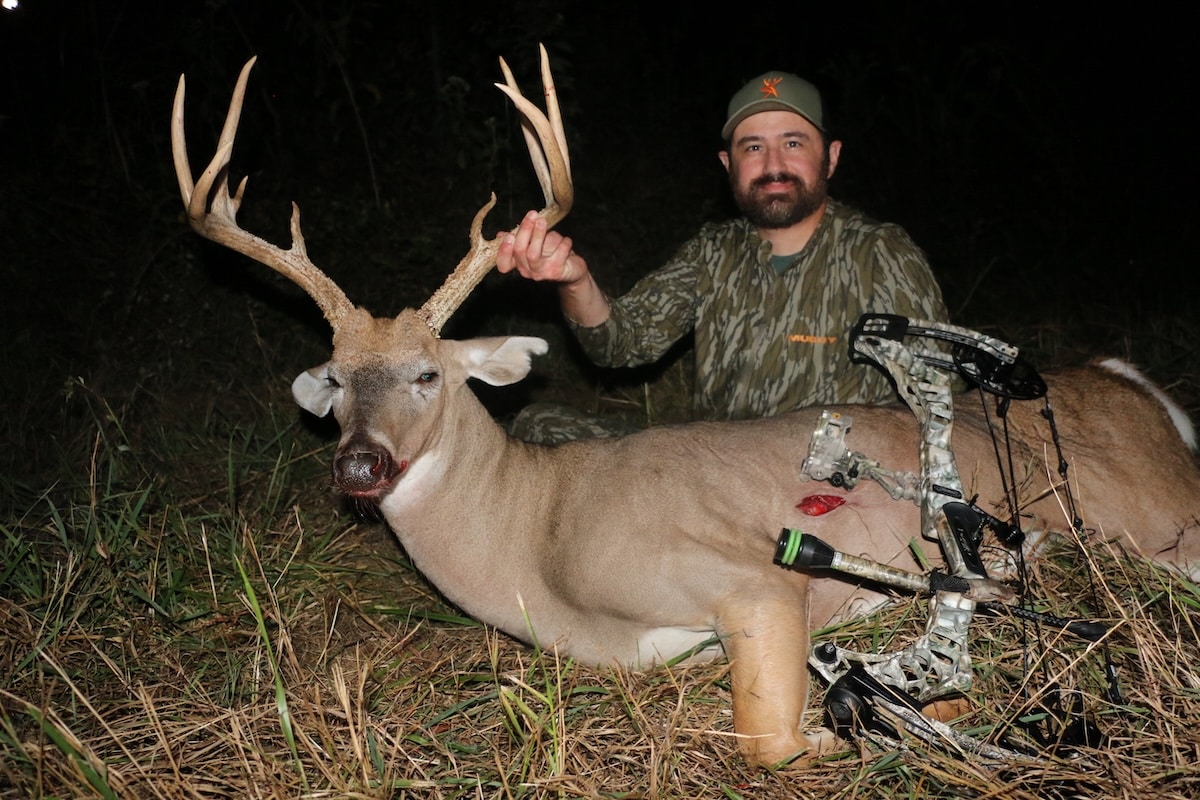
The author and a big Kentucky buck. With a good pre-season effort, you can tag an early season whitetail, and be ready for the remainder of the season.
63. Make Your Own Pre-Season Task List
Don’t like the list outlined above? Make your own pre-season task list. Pull from this list what’s relevant for you. Add in your own requirements. Check everything off as completed.
64. Level-Up with HuntStand Pro or HuntStand Ultimate
Those who don’t already have HuntStand Pro or HuntStand Ultimate, should level up. The app comes with a vast array of base layers, helpful overlays, and other assets. Increase your effectiveness and equip yourself with key whitetail scouting tools.
65. Be Patient. Stay Ready. Deer Season Is Coming.
Part of deer hunting, and prepping for deer season, is action. Part of it is inaction, though. Know when to do work on your hunting lands. Know when to stay out. Deer can’t always differentiate between scouting preparation, and actual hunting. Therefore, they respond similarly to hunting pressure. Be aware of this as you conduct these all-important pre-season tasks this summer.