



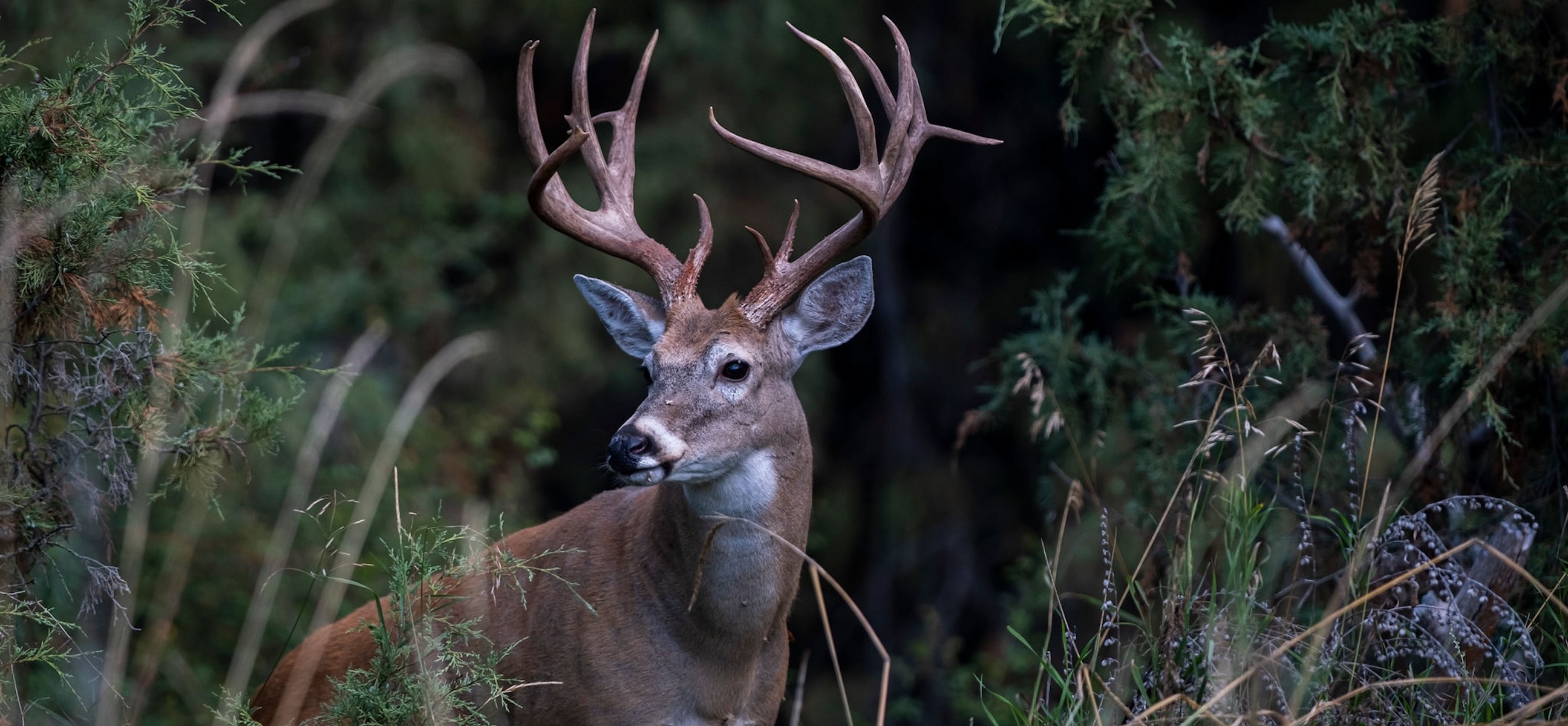

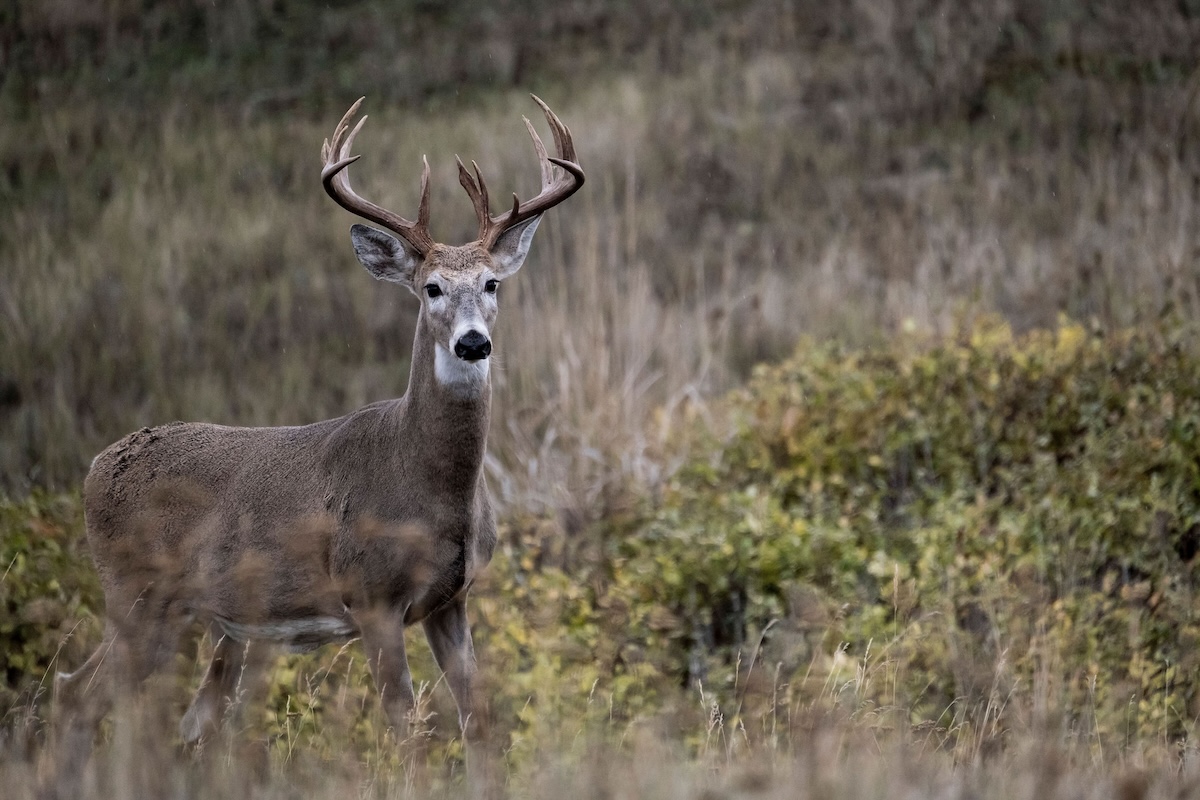

Early season whitetails usually follow reliable bed-to-feed patterns.
The whitetail rut gets all the glory. But early season deer hunting is my jam. Give me two weeks to hunt and I’ll take the first two weeks of bow season over the first two weeks of November … every time.
Without question, early season is the time of year I get most excited about. That’s true for numerous reasons, including unpressured deer, intact deer herds, reliable bed-to-feed movements, and more.
All said, here is your early season deer hunting guide, with help from HuntStand Ultimate.
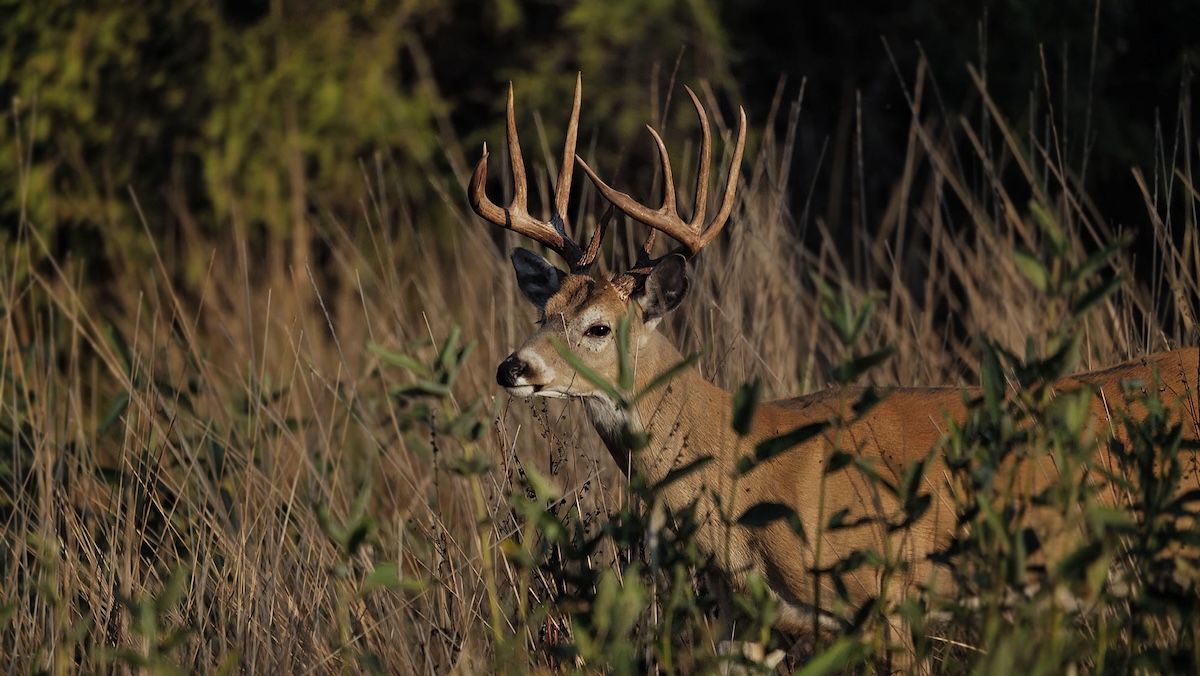
Understanding how a buck moves from point A (bedding) to point B (food) and back again, are key elements of patterning deer.
The Early Season Defined
The early season is best described as the first weeks (or months) of deer season. Generally, this is the timeframe between the pre-season, which ends upon opening day of deer season, and the pre-rut, which is approximately two weeks prior to the start of the rut.
Exact dates for these vary based on location. Rut timelines are vastly different from state to state, especially in the South. Therefore, for the sake of this article, let’s use the northern half of the country as an example. Here, the early season begins on opening day, and usually carries through approximately October 20, which is when the pre-rut begins.
Edge Habitat for Deer (And How HuntStand Helps Find It)

Learning how deer maneuver the property is a significant part of scouting.
Understand Bed-to-Feed Patterns
Outside of the rut, most of a deer’s day-to-day schedule revolves around bedding areas and food sources. Understanding these bed-to-feed patterns, and how deer travel from point A to B, is a significant part of the process. Only after acquiring this knowledge for a given property can you effectively hunt that deer herd, especially specific target bucks.
Knowing these lines of movement makes it possible to achieve numerous goals. First, knowing where a deer is bedding, where it’s feeding, and traveling between the two, allows you to set up in a manner to intercept that movement.
Of course, it’s easier to reinforce what a deer is already doing, than to make it to do something different. Therefore, the above knowledge allows land managers to plant trees, install food plots, provide feed stations, and more, in the most effective locations. Placing these in areas deer already frequent sweetens the pot, so to speak. (That said, if you can’t do this, and must enhance the habitat away from existing lines of movement, it should still draw some deer to shift to these new patterns.)
Regardless, those who plant food plots, positions blinds and treestands, and establish good access routes, stand to benefit. Creating these big buck encounters, and doing the work during the off-season and pre-season, can set up the early seasons for success.
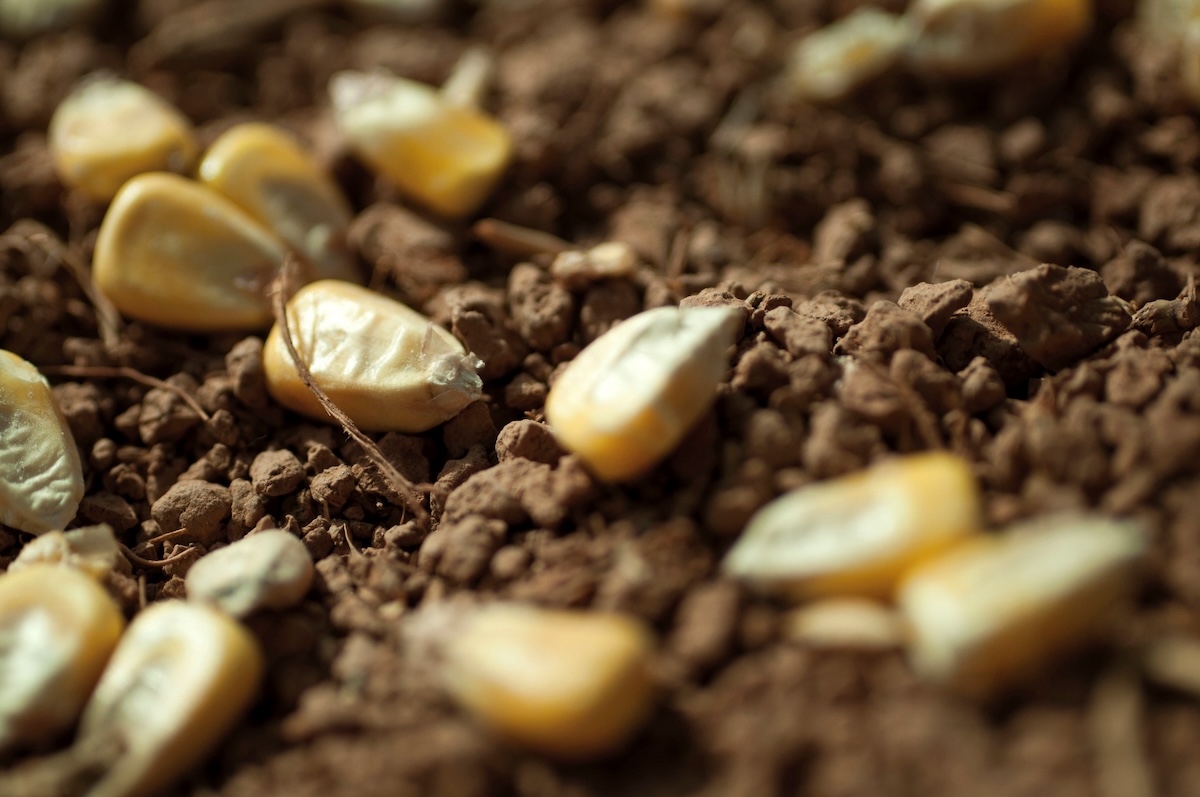
A freshly shelled cornfield is an excellent hunting spot.
Scout More Than You Hunt
It’s easy to get excited about the early season and spend more time hunting than scouting. But that’s the opposite of good practice. Hunters should spend more time scouting.
Fortunately, those who scout well enough during the pre-season shouldn’t need to eat up many (if any) early season days scouting. Glassing from afar and running trail cameras should help produce a great plan for the season opener.
Of course, if things don’t pan out, and deer patterns shift, it’s back to the drawing board (and more scouting).
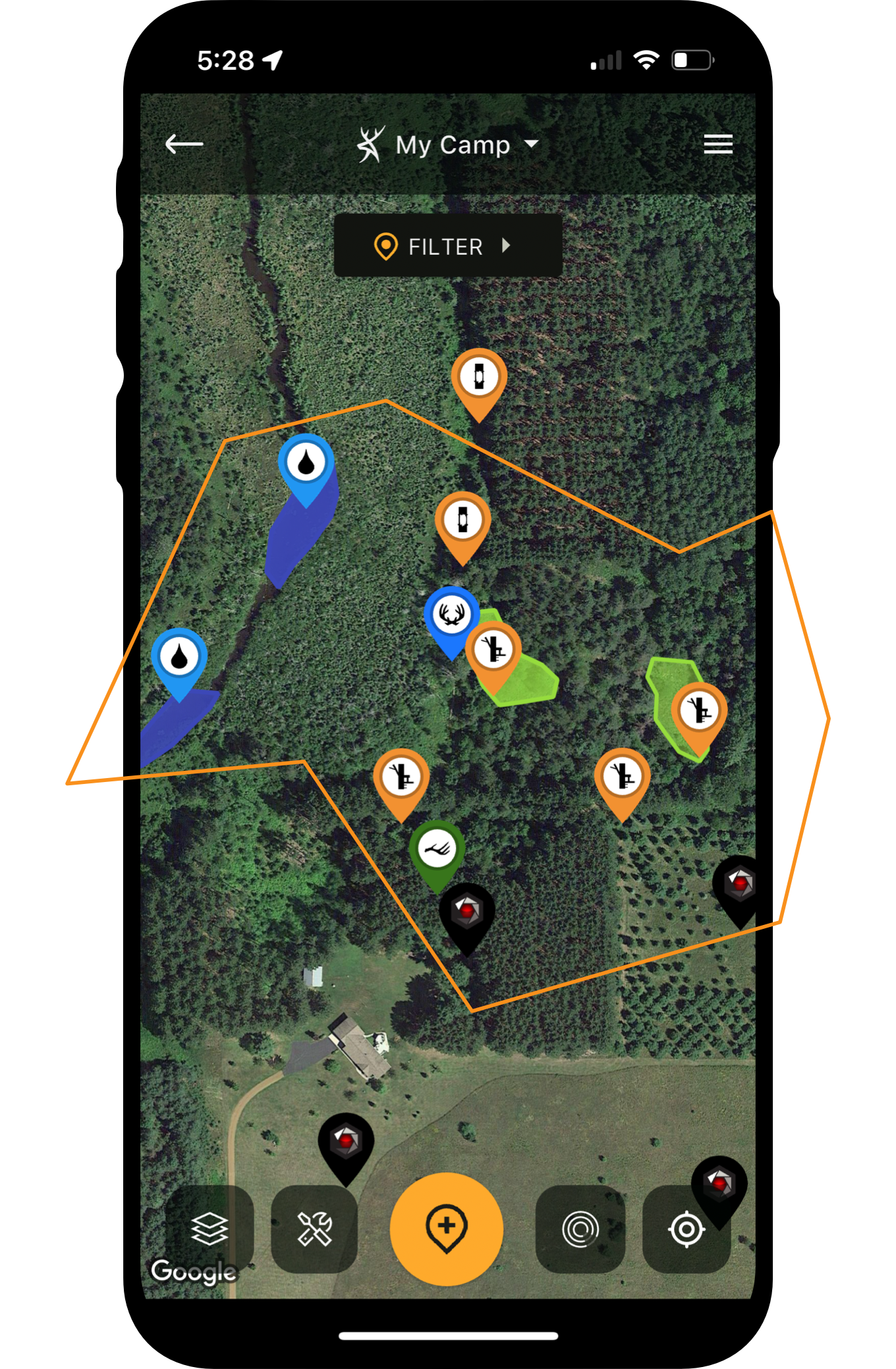
While glassing from afar and running trail cameras still works, this stage often requires putting boots on the ground. This is because deer are shifting from field-based grub to timber-based food sources. Furthermore, you must be there in person to discover key scouting finds, such as rubs, scrapes, and more. Mark all scouting finds with associated icons in the HuntStand app.
How to Find Deer with Topo Maps
Use Early Season Deer Hunting Tactics
Some deer hunting tactics were made for the early season. These work quite well for the timeframe. Keep the following early season deer hunting tactics in mind.
Throughout the year, deer prefer certain bedding area types. Early in the season, when it’s still warm, and deer aren’t feeling pressured, they tend to bed closer to food sources. Furthermore, they tend to bed in areas where it’s cooler and with better air flow, such as closer to water and on north-facing slopes.
As for food, ag fields are ideal, and during the early season, these come in many forms. Alfalfa (especially at the right stages), green soybeans, milo (grain sorghum), freshly shelled cornfields, and more, draw the attention of a lot of deer.
Those who plant early season food plots might look to legumes, such as clover, chicory, cowpeas, iron clay peas, lablab, etc. Plant whatever works best for your soil type and amendable soil pH. Locate micro food plots along existing deer lines of movement.
Acorns are also significant. During the early season, white oaks begin dropping their acorns. Shortly after, red oak acorns start falling, too. Deer prefer the former, though. White oak acorns have less tannin (less tannic acid), which makes them sweeter and more attractive to deer. Once white oak acorns are consumed, red oak acorns become more viable.
Other hard mast shouldn’t be ignored. During mast crop failure years, deer even target hickory nuts, among other hard masts.
Of course, soft mast is especially important, and deer travel long distances to gobble up these fruits. Apples, crabapples, pawpaws, peaches, pears, persimmons, plums, and others, are high-profile food sources. That said, these tend to be short-lived, and patterns don’t last long.
Lastly, understand how habitat, terrain, and topography impact deer. Better habitat tends to reduce the distances deer travel. Areas where the flora creates natural pinch points can be great interception points. Without question, topographic features, such as benches, bluffs, bowls, connecting ridge systems, hubs, ridge lines, ridge endings, saddles, valleys, and more, all play important roles in how deer use and maneuver the landscape.

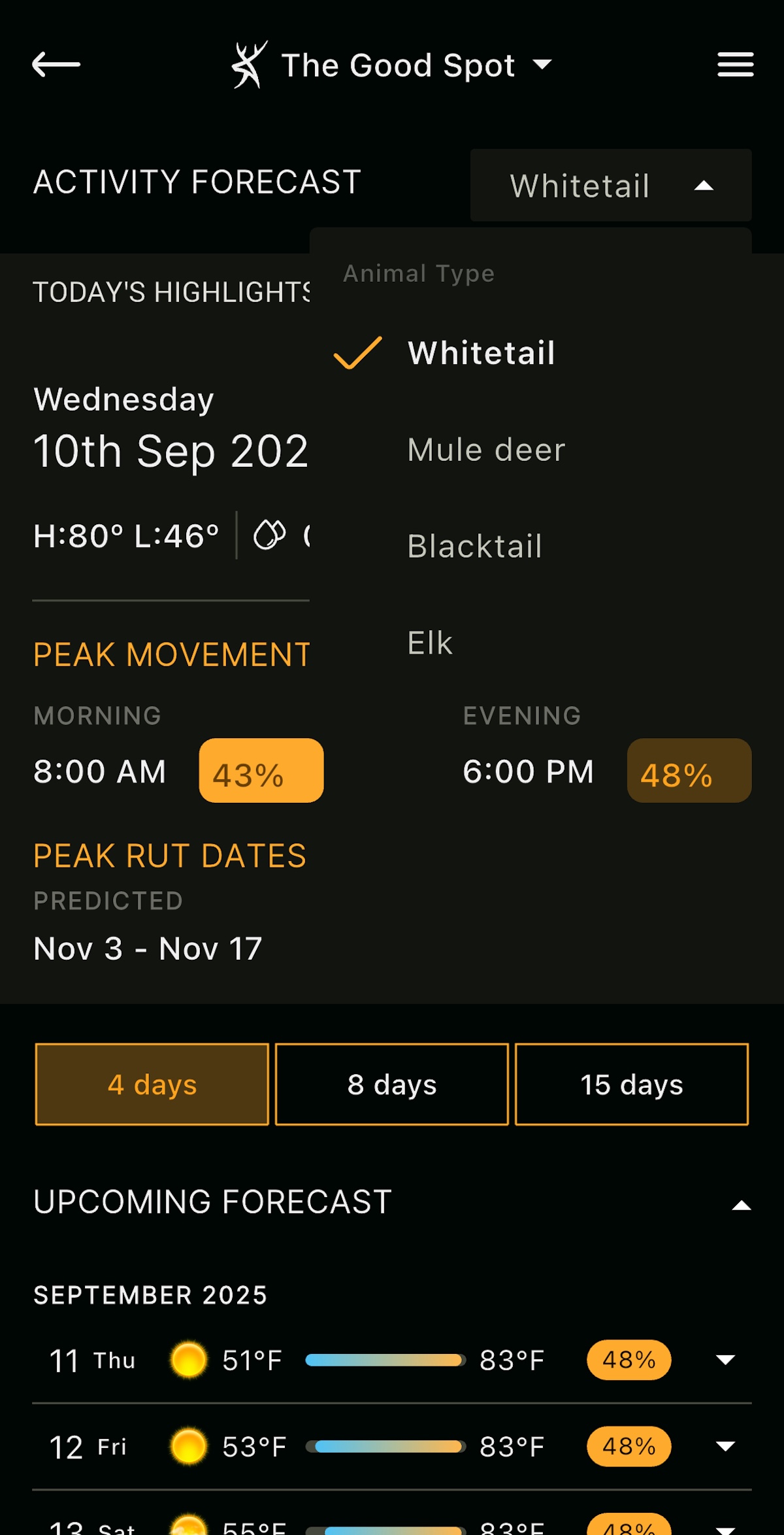
The Activity Forecast helps pinpoint high-odds hunting days.
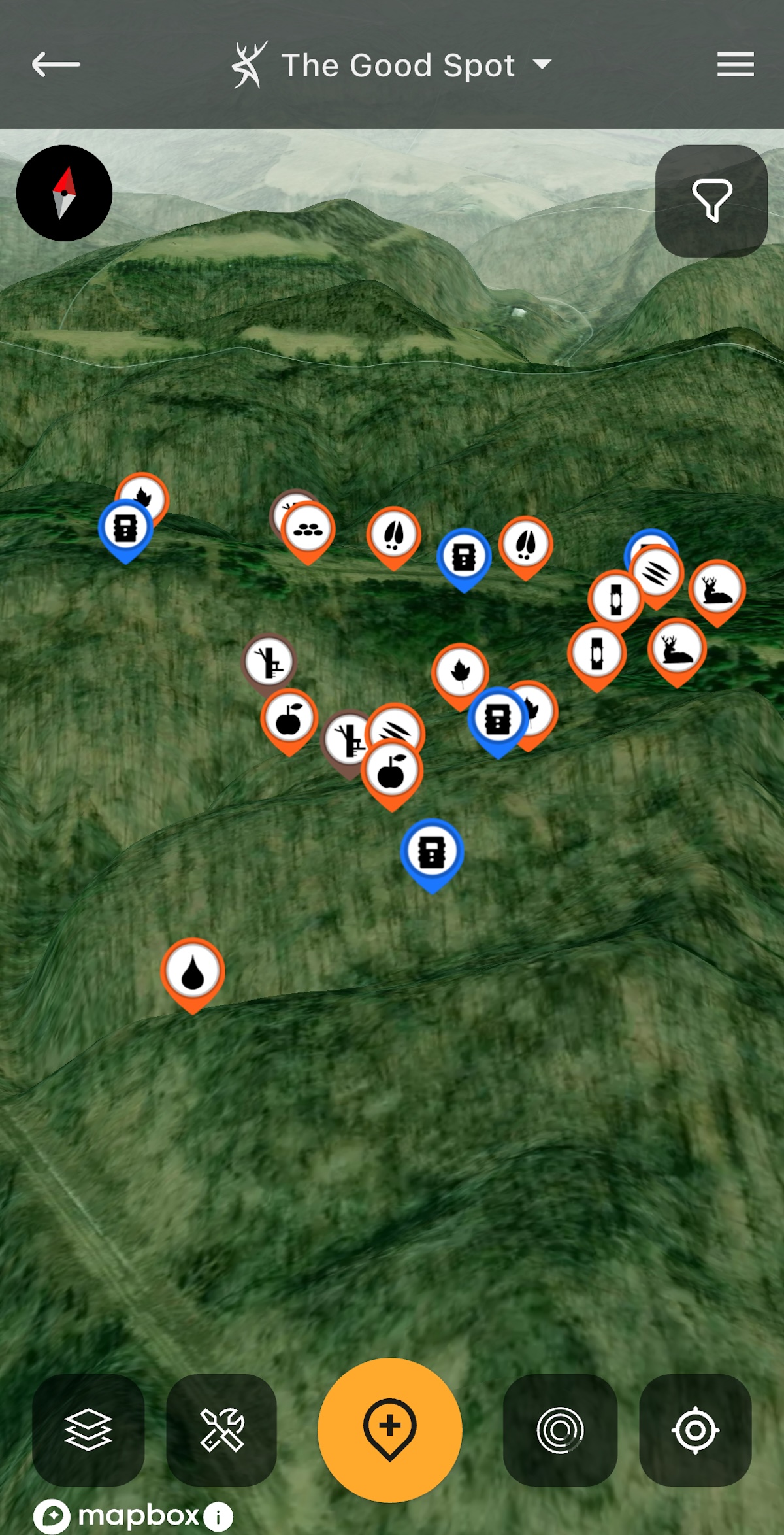
The 3D Map visualizes habitat, terrain, and topography simultaneously.
Deploy HuntStand to Drill Down on Bucks
HuntStand Pro and HuntStand Ultimate are two excellent subscription levels that hunters can benefit from. For example, HuntStand Pro offers a foundation of tools that deer hunters need. HuntStand Ultimate builds on that foundation with even more horsepower. Below are some of the key tools that come with these subscriptions.
3D Map: The 3D Map is excellent for studying the habitat, terrain, and topography simultaneously. It visualizes each important land feature in one viewable delivery. As mentioned above, topography greatly influences deer movement, and the 3D Map helps hunters pinpoint key topographic features.
Monthly Satellite: Then Monthly Satellite layer is built to show what a property looked like each month from the past years. Because of this, it’s ideal for seeing recent crop rotations, timber logging operations, forest fires, controlled burns, and much more. These elements help make hunt plans, especially on public lands and distant private land hunting properties.
Crop History: The Crop History layer reveals likely crops in an area. This is ideal for studying potential public hunting lands, distant hunting leases, and more.
Whitetail Habitat Map: Similarly, the Whitetail Habitat Map indicates areas that are more likely to produce a quality hunting experience. Using shaded color patterns, it highlights areas likely to be better or worse habitat for deer.
Activity Forecast: The Activity Forecast is one of HuntStand’s crowned jewels. Using an advanced algorithm, it uses data from various deer movement factors, and delivers an activity score for the day. It offers these scores on a current and forecast basis, along with showcasing weather and wind data, to help hunters choose hunt days wisely.
15 Best Strategies for Hunting Big Deer
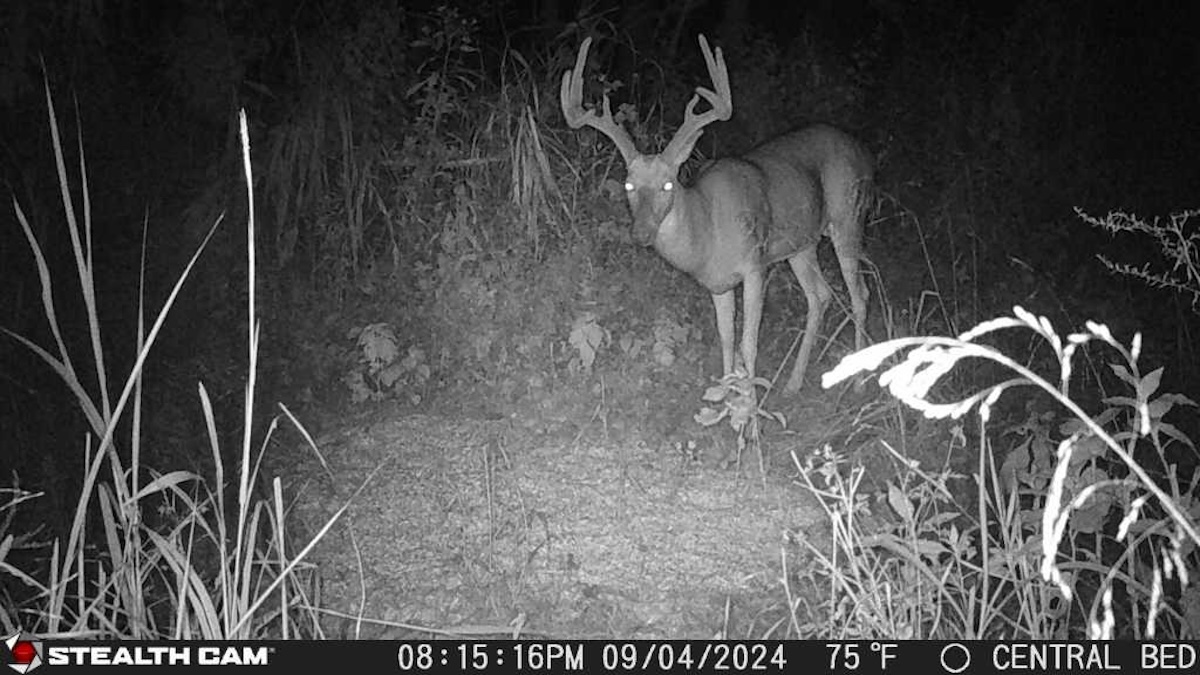
Running trail cameras helps pattern a buck, as the author did here.
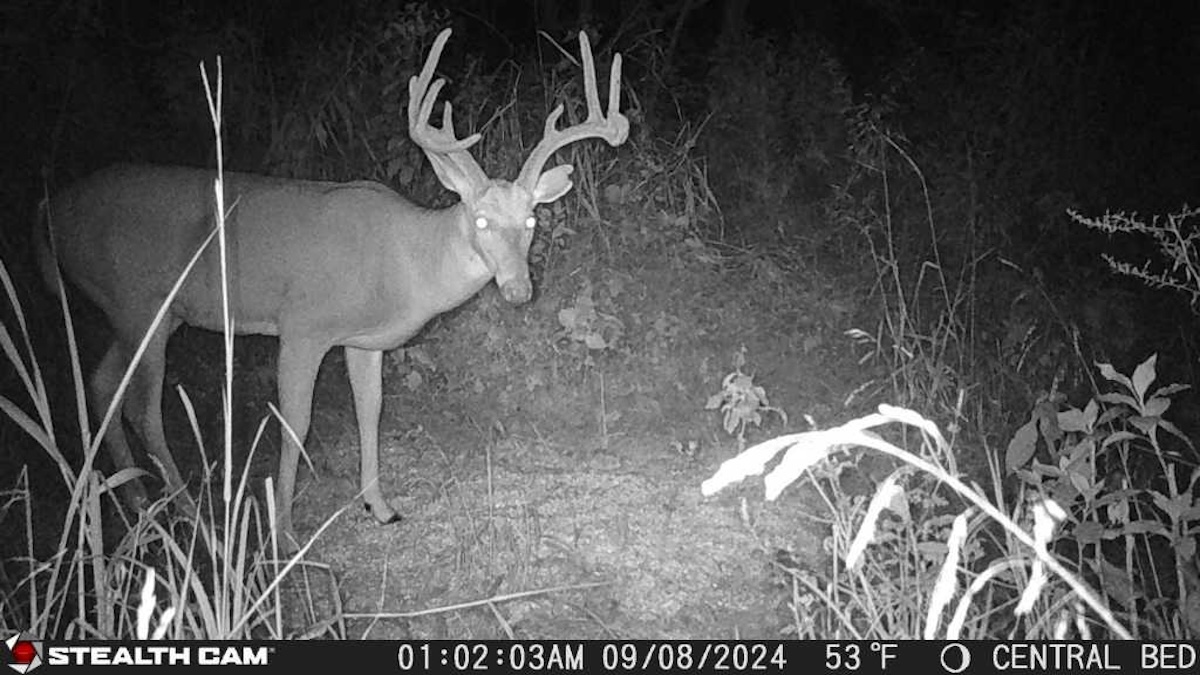
A good cell cam game plan helps reveal a deer's bed-to-feed patterns.
Avoid Early Season Deer Hunting Mistakes
As with many things, early season deer hunting is about doing all the right things. That said, it’s also about avoiding the wrong ones. It’s crucial to avoid early season deer hunting mistakes, including the following.
Failing at Scent Management: Managing scent is part of deer hunting, especially the early season when it’s hot. Wash your hunting clothes. Keeping hunting clothing in dedicated containers. Store hunting gear wisely. Take scent-reduction showers. Focus on mouth hygiene. Put on your hunting apparel in the field. Wear rubber boots. Run a Wildgame Innovations ZeroTrace PureIon unit (which is similar to ozone technology, but safer). These and many more are things hunters can do to reduce scent.
Ignoring Isolated Water Sources: Deer drink water all season long. Unfortunately, many hunters overlook the importance of water and its role in influencing deer movement. Keep water in mind when game planning for early season hunts.
Hunting (Most) Mornings: During the early season, in most situations, hunting mornings is a mistake. Oftentimes, unless the stand location and associated access routes are bullet-proof, walking in before daylight runs high risk of spooking deer. Instead of hunting mornings, it’s usually best to use this time glassing from afar to see where deer go back to bed. Then, plan for the afternoon sit.
Forcing Poor Hunt Situations: Deer season is long. Oftentimes, it’s best to be patient. While being appropriately aggressive can be a great deer hunting mindset, taking it so far as to force a poor stand location isn’t advised. There’s a difference between making an aggressive but good decision (i.e.: hunting fringe or just-off winds), and knowing a hunt isn’t likely to work out and doing it anyway.
Losing Track of Transitioning Food Sources: Deer live their lives on short-, mid-, and long-term patterns. Generally, these are influenced by food sources. When food sources change, patterns change, and it can seem like deer vanished. In reality, they just shifted slightly to a new food source. Hunters must anticipate these transitions and stay with the deer.
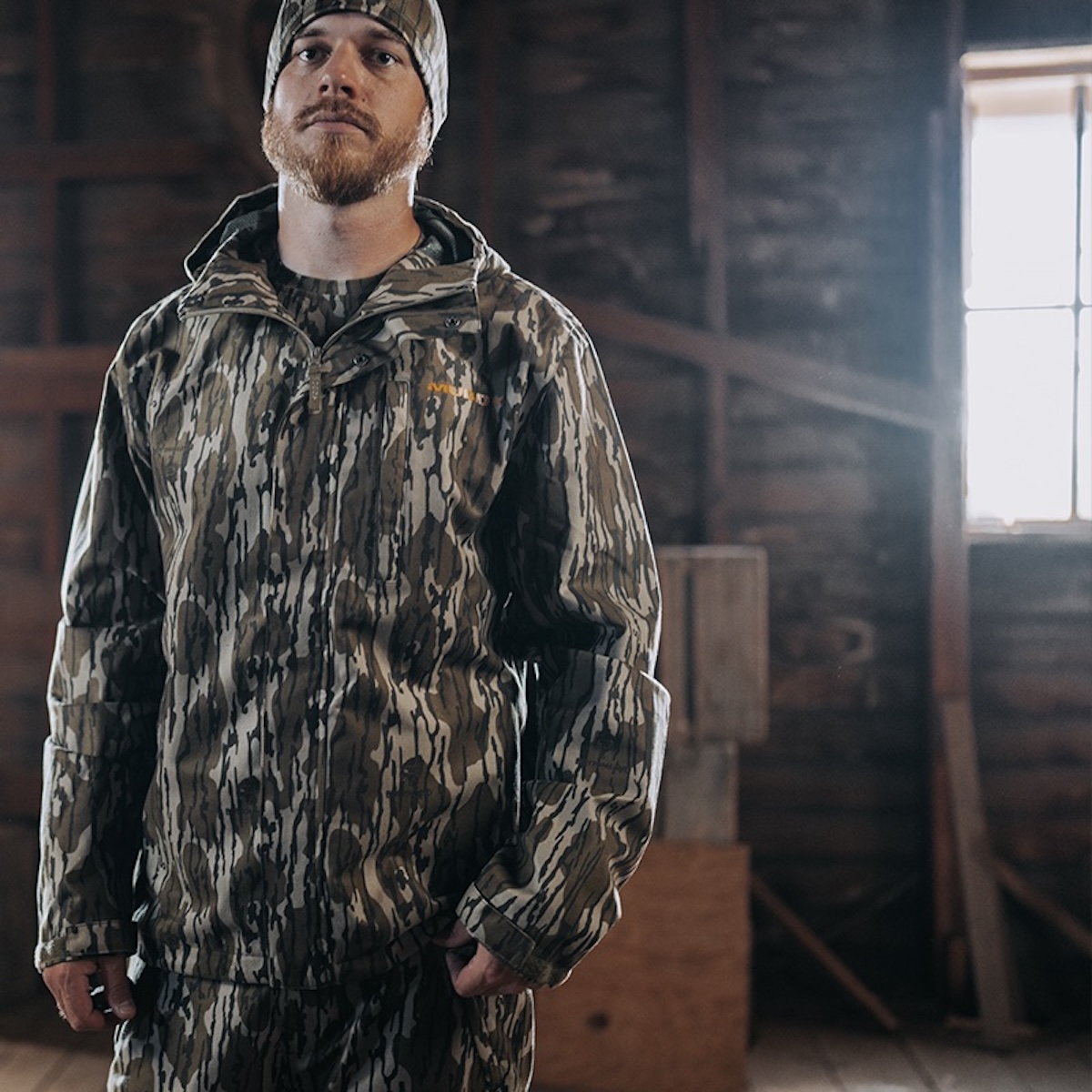
Quality early season clothing, such as Muddy's new TRX lineup of apparel, aids in the hunt.
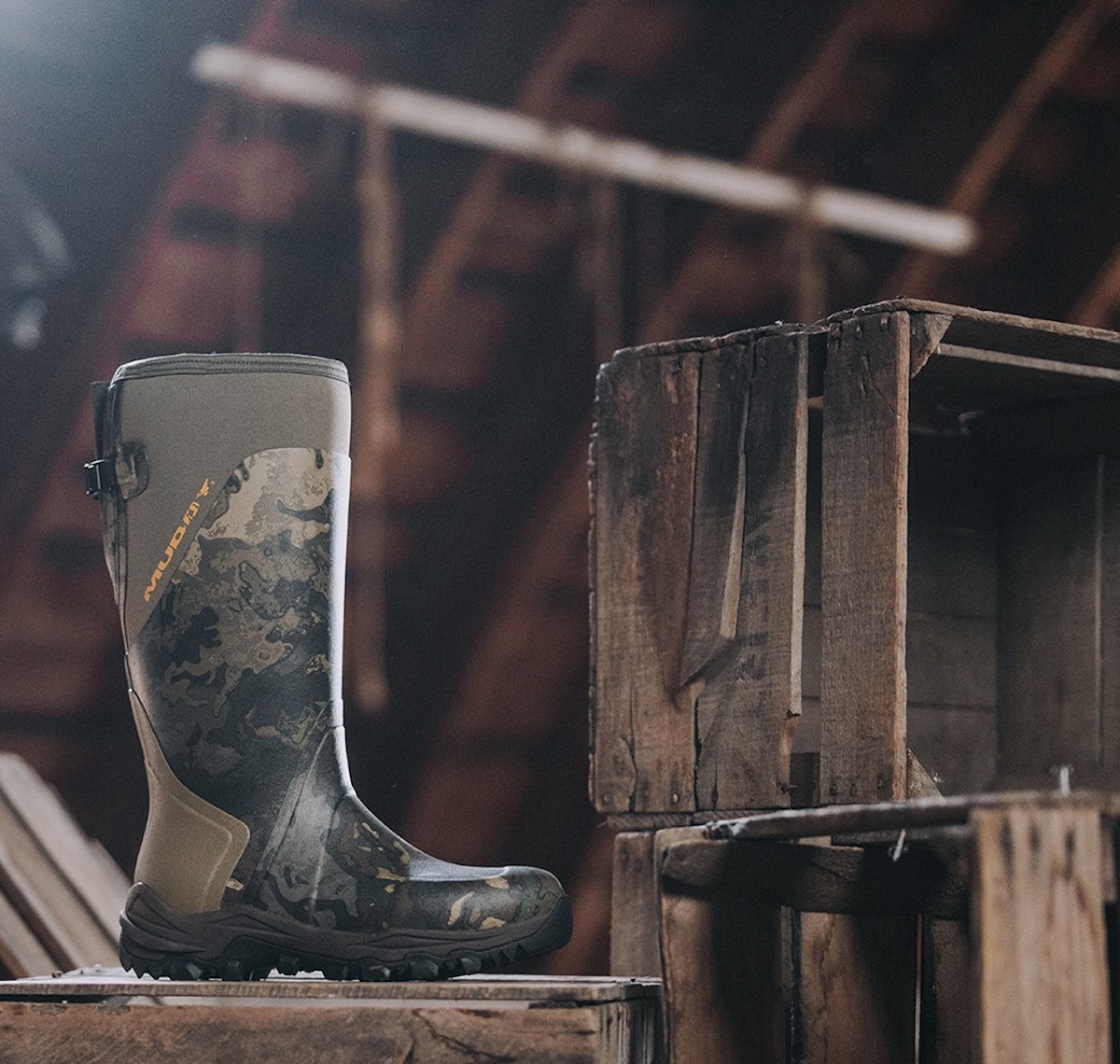
A good set of boots, such as Muddy's DV8 rubber boots, helps cut down on ground scent.
Wait for High-Odds Hunt Situations
The early season is all about finding bed-to-feed patterns and striking when the conditions are ideal for seeing daylight deer movement. Waiting for a high-odds hunt situation can keep hunting pressure down until the odds are better for you to see and shoot that target buck.
For example, good conditions, such as a weather front, temperature drop, or rain event, can spur early season deer to move earlier in the afternoon. Typically, this means they cover greater distances during legal shooting hours, and creates higher odds of a deer making it to your stand location before dusk.
Of course, as noted, the Activity Forecast helps pinpoint these high-odds situations. It unveils the days which are most likely to produce daylight deer movement. Thus, it allows hunters to pick and choose when to hunt. This benefits hunters with minimal time to hunt, and helps reduce unnecessary human intrusion on hunting properties.
Those who’ve been following a target buck, and it doesn’t seem to move well during daylight, might study the wind directions associated with timestamps on previous daylight trail camera photos. (Use Weather Underground for historical weather data.) It’s likely the deer is only moving through the area when the wind direction is more favorable for it to do so.
Hunters who know their properties well, understand the trail networks, and determine how deer navigate it, can use this knowledge to hunt a “fringe” or “just off” wind direction. This is where the wind is largely in the deer’s favor — which gives the deer confidence to move during daylight — but it’s just off enough that the deer doesn’t enter your scent cone. There might only be 20 or more yards of separation between the buck’s line of travel and the edge of your scent cone, but it’s just off enough to get the job done.
21 Great Early Season Treestand Locations
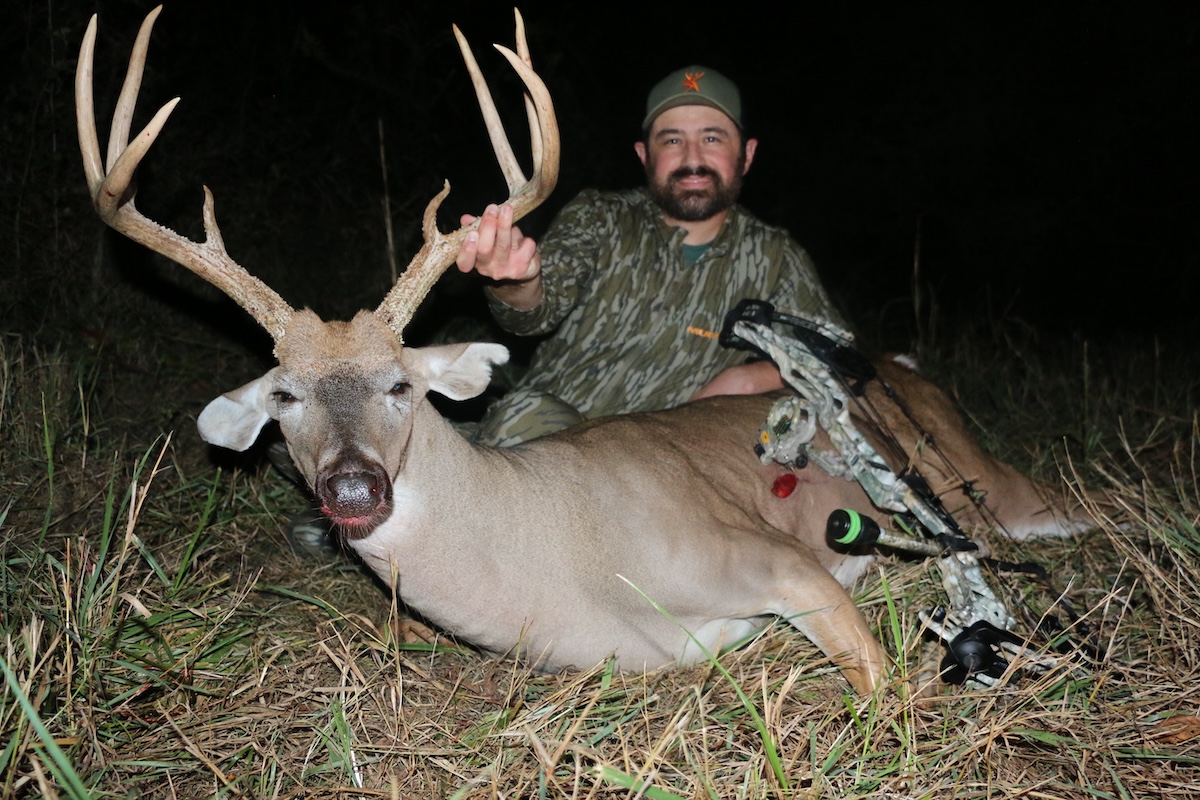
The author showcases his 2024 Kentucky buck. He harvested it along a bed-to-feed pattern route shortly after a pop-up shower rain event with a just-off wind direction.
Capitalize on Realized Lines of Movement
Overall, early season deer hunting is about capitalizing on realized whitetail lines of movement. Determine where deer bed (point A), where they feed (point B), and how they travel in between (trail systems, staging areas, water sources, etc.), and hunt accordingly. Do that, and you’re well on your way to tagging a big early season buck.