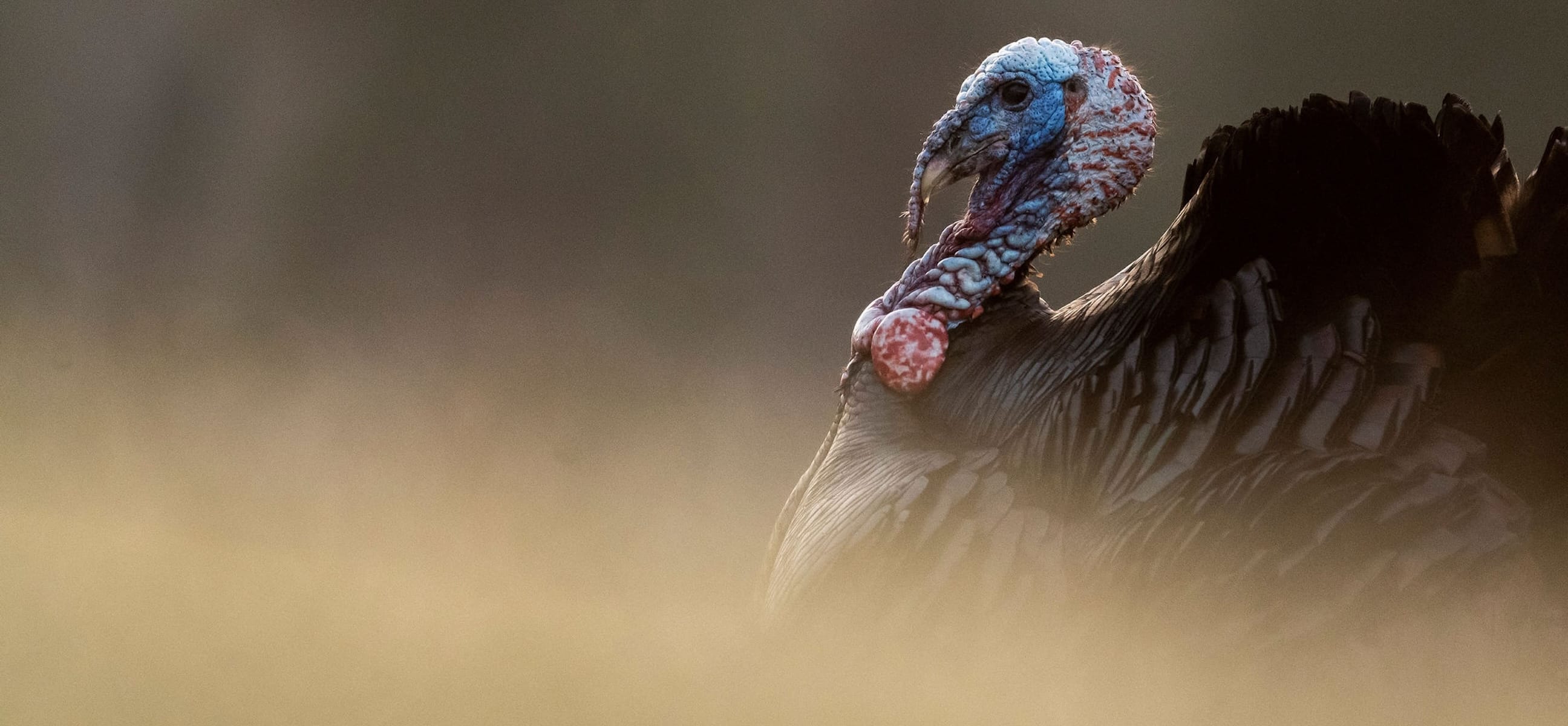




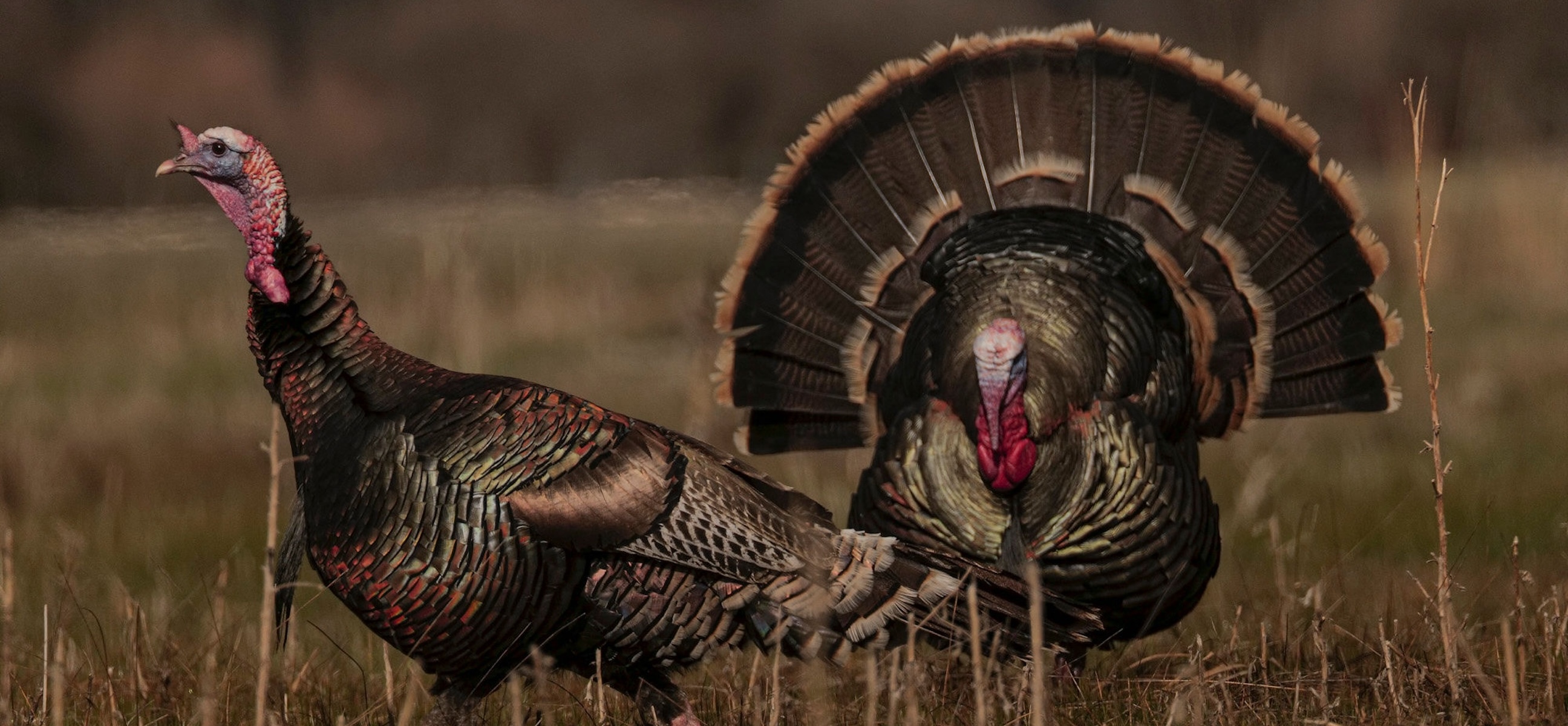
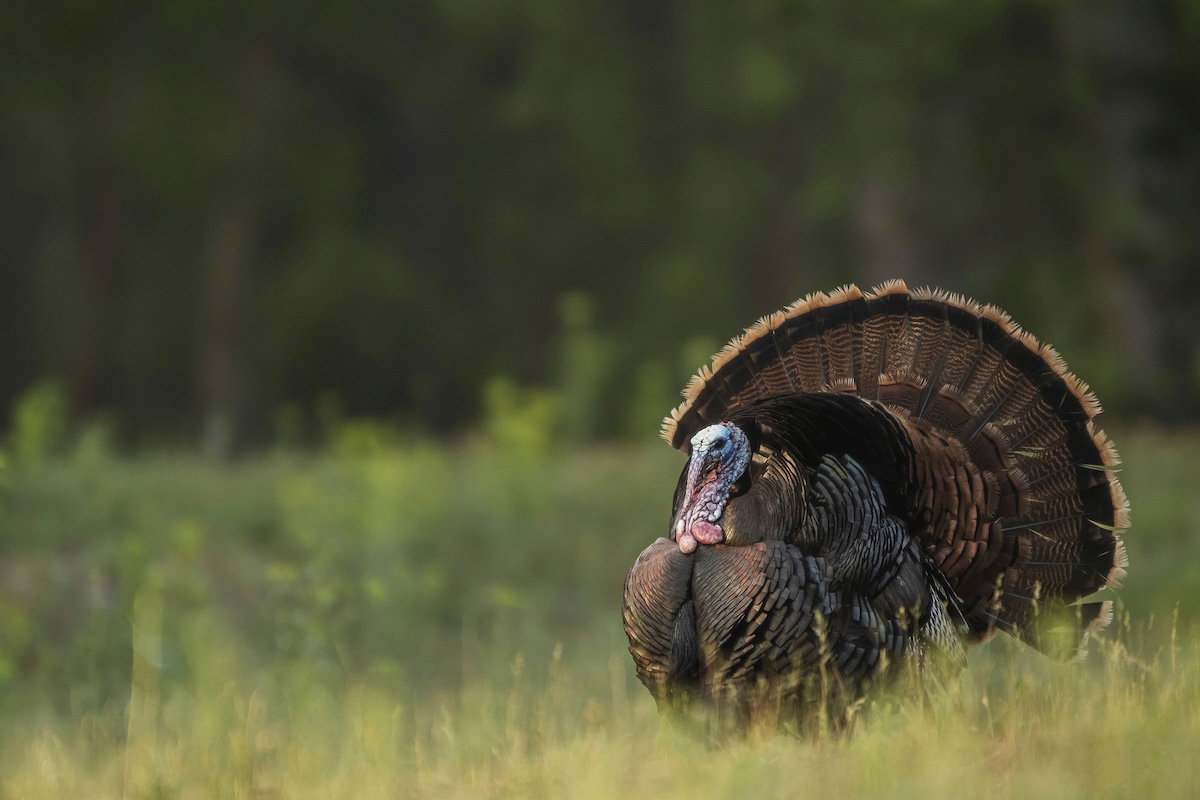

You can hunt Western turkeys from the desert to the mountains and even near the ocean shores in Hawaii.
The West encompasses an enormous swath of turkey habitat. This equals not only different subspecies of turkeys to hunt but also habitat that you could find in nearly every other corner of America. If you plan on hunting in the states of Washington, Oregon, California, Nevada, Idaho, Utah, Arizona, Montana, Wyoming, Colorado, New Mexico and Hawaii, plan on using a wide array of hunting tactics.
- How to Hunt Northern Turkeys
- How to Hunt Southern Turkeys
- How to Hunt Western Turkeys
- How to Hunt Midwestern Turkeys
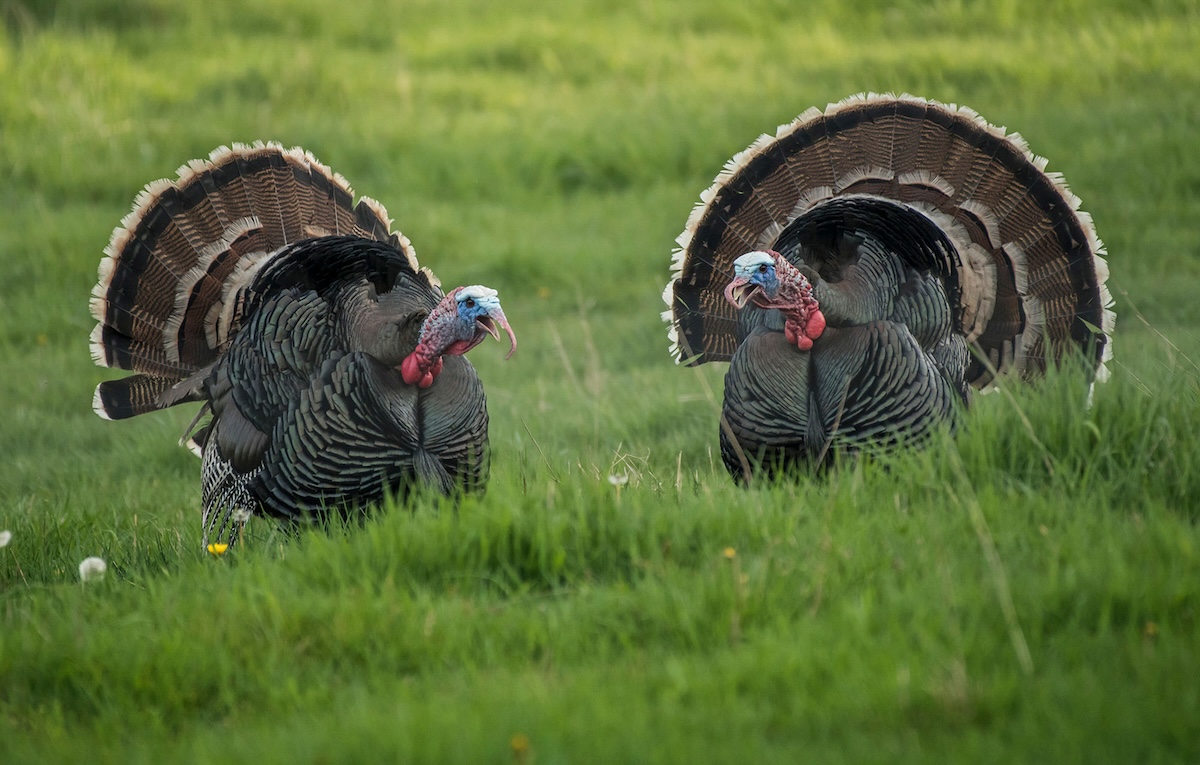
Western turkey hunting offers a wide array of landscapes and several subspecies to pursue.
Turkey Subspecies in the West
Big country with a medley of habitats adds up to more than one subspecies of wild turkeys calling the Western region home. Four subspecies call this home (including Hawaii), plus certain zones have hybrids inhabiting the woods and fields. From the islands of Hawaii to the edge of the eastern Rocky Mountains, expect to find Merriam’s, Rio Grande, Eastern, Gould’s, plus hybrids scattered where subspecies overlap habitat.
The standout in the bunch is the Merriam’s with its pearl white-tipped tail. According to the NWTF, Merriam’s have more white on their wings than other species. Merriam’s unfortunately have the weakest gobble, but barely. Beards and spurs are shortest of all the subspecies.
Another abundant subspecies is the Rio Grande with its notable tan-colored tail tips. It sports black and white barring on its wings with an average gobble, average beard, and average spur lengths.
Small pockets of Eastern turkeys exist in the West with their characteristic brown-tipped tail and white and black bars on the wings. Easterns shout the loudest gobble of all, plus win the longest beard contest of all species. NWTF ranks them second to Osceolas as the two toughest to call into shooting range.
In the far Southwest lives the Gould’s turkey with its very light-colored tail tips, moderate barred wing colors, and extremely long legs. Medium gobbles, beard length, and spurs describe Gould’s turkey makeup.
As for Hybrids, they oftentimes resemble a Merriam’s with tan or even rust-colored tail tips depending on the subspecies hookup.

Much of the West is public land and HuntStand’s Public Lands feature provides you information to find and hunt that ground
Western Turkey Behavior
David Nikonow has been a biologist for nearly a decade and is the Wyoming, Colorado, and Montana district biologist for the NWTF. Despite working solely in the West, he is schooled on wild turkeys throughout the country. He enjoys a wide array of hunting, especially the wild turkey of the West.
“You find a very diverse makeup of turkey hunting with the multiple subspecies in the West exhibiting different habitat selection and different behavior,” says Nikonow. “For instance, although Gould’s and Rio Grande turkeys survive arid regions, even arid pines, they tend to live near riparian systems whenever possible. Merriam’s and Easterns prefer more forested habitats.”
Another difference Nikonow points out is that Merriam’s are more adapted to colder climates and mountain environments, even over Easterns that live next door to them in some localized areas of the Northwest. And although all turkeys move about to take advantage of available nutrition and habitat shelter, Nikonow calls attention to the fact that Merriam’s absolutely undertake seasonal migrations in mountainous terrain.
“In the early part of the spring turkey hunting season, expect to find them at lower elevations,” reveals Nikonow. “Then, as the snowpack recedes, flocks move higher in the foothills and mountains. Hens will nest at those higher elevations, so be aware of that migration.”
Nikonow emphasizes that Rios and Gould’s favor a riparian system in their arid environments, but they do strike out throughout desert regions on occasion. Be mindful of pine ridges and scattered water sources as locations to pinpoint a flock if creeks, or rivers fail to produce sightings.
“So, when you plan a hunt and choose a state, research the subspecies living there and for sure their habitat requirements. It’s a reliable road to success, shares Nikonow.
In closing, he stresses that if you have a goal of tagging a Merriam’s subspecies, especially for your turkey slam, be aware of hybridization areas. Any locale where subspecies intermingle you could find hybrids. Certain regions, such as Wyoming’s Black Hills, are known for true Merriam’s subspecies making it a popular slam destination.
Surprising Facts About Wild Turkeys
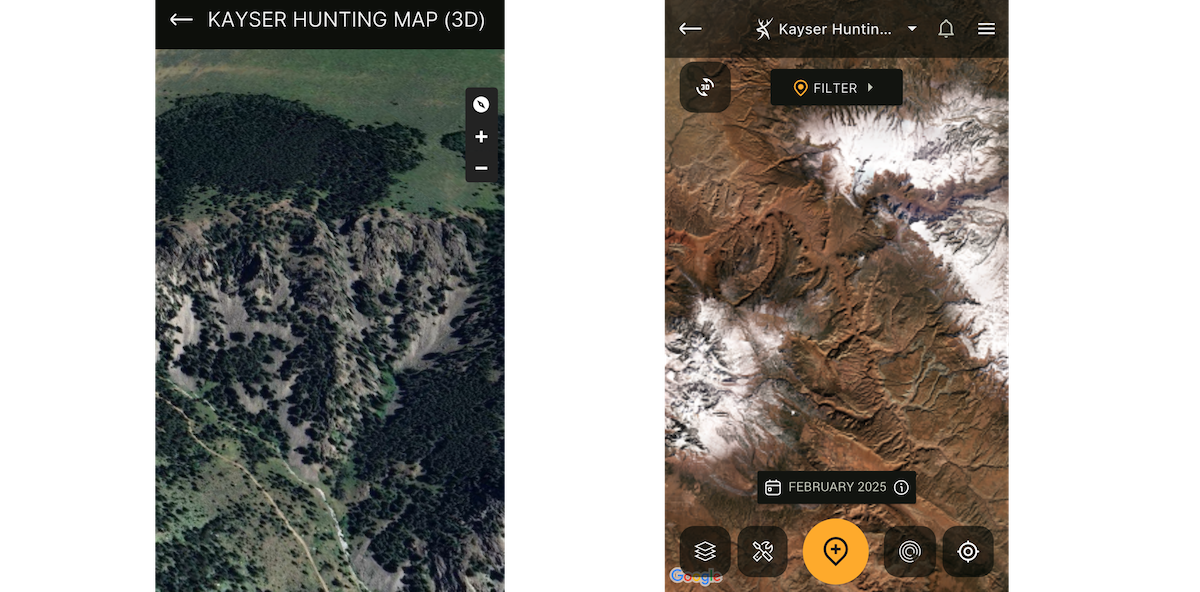
HuntStand’s 3D Map feature allows you to virtually fly over your hunting area.
Western Turkey Hunting Terrain
Think back to your high school geography class and visual the map on the wall. From the Rocky Mountains to the Pacific Ocean lies a giant portion of the American West, and in it, a mind-boggling amount of terrain. Successfully hunting that terrain requires the use of your HuntStand app to the utmost. Subscriptions to HuntStand Pro or Pro Whitetail unlock the most of the app for your scouting benefit.
Begin by determining which subspecies you likely will encounter. Remember, Merriam’s tend to be more mountain climbers while Rios prefer foothills, riparian zones and arid climates. Easterns do not mind the coastal timber and agriculture edges of the Northwest. Gould’s survive in the desert mountains and hybrids fit in anywhere.
Initial scouting should kick off with HuntStand’s Hybrid base map. After a terrain review and especially when targeting mountain birds, the Quad Topo base layer quickly sizes up steepness. A follow-up 3D Map virtual flyover allows you to experience the changing elevation as it pertains to topography.
In desert regions, the Tree Cover overlay affords you the chance to analyze areas for timber location that give turkeys sanctuary and roost opportunities. The Monthly Satellite layer, updated monthly, provides you with a refreshed satellite image to confirm the latest perspective on any hunting area.
The West includes a bounty of public land, but using the Property Info, Hunting Lands, and Public Lands overlays delivers detailed property information. You can locate public lands, property owners and access routes to the public land with this helpful data.

HuntStand’s Monthly Satellite feature shows you in a low-resolution image, fresh each month, what is taking place at a particular map location. It’s great to watch the snowline, common in many Western hunting locales.
Western Turkey Hunting Scouting
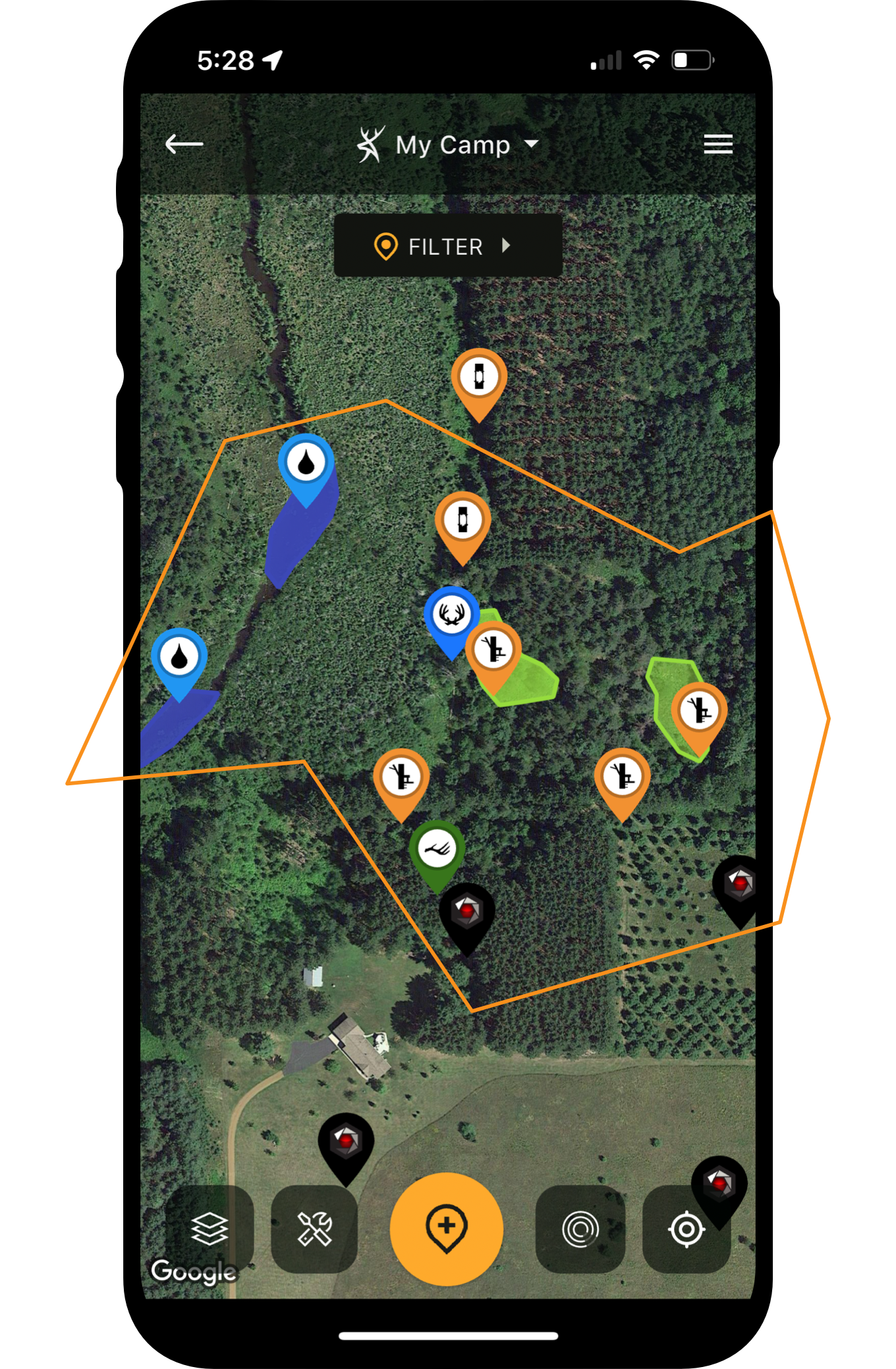
As you scout from home or firsthand, one of the most useful aspects of the HuntStand app is the ability to identify your finds with turkey-specific markers on your Hunt Area maps. This ensures your scouting and hunting discoveries are easily identifiable in your pursuit. These and many more features await you on the updated HuntStand app.
Chris Yeoman understands the importance of intensive scouting for Western turkeys. Since a 1973 start to Western turkey hunting in South Daklota’s Black Hills (for all purposes, the West), Yeoman has hunted turkeys from Wyoming to Washington and Montana to Arizona. He even professionally guided turkey hunters from 1985 to 2000. Yeoman’s top advice to kickoff your scouting? Talk to the locals.
“I ask everyone if they have seen turkeys lately,” says Yeoman. “It’s a huge jumpstart for me to get information from those that live in an area. I stop and talk to ranchers, talk to camouflaged hunters in convenience stores, and start up conversations in sporting goods stores. Most people are willing to share enough information to get you pointed in the right direction.”
After researching general areas with his hunting app, Yeoman suggests visiting those areas and covering as much ground as possible. He’s not shy about sharing his preference to drive logging roads with regular stops to use locator calls during the last 30 minutes of daylight. His locator call preference is the coyote howl. Once he finds turkeys, he knows where to start the following morning.
Best Ways to Improve Your Land for Wild Turkeys
HuntStand’s Quad Topo layer gives you information on the steepness of Western terrain to plan your hunt.
Calling Western Turkeys
From his five decades of Western turkey hunting experience, Yeoman does not see a huge difference calling to Western birds based on their subspecies designation. Instead, he prefers to “take their temperature” and let the turkeys drive the conversation.
“I base my calling strategy the same whether I’m calling to Rios or Merriam’s,” states Yeoman. “All species like to be called to, but you need to take their temperature to see if they want to be called in soft or hard. Once you get them excited, you can determine how excitedly you need to call. Match their response for the surest calling strategy.”
Yeoman also runs into stubborn birds that simply will not budge. He stresses you need to use your imagination at this point and ask why the bird is not closing the distance.
“Can you hear hens, thus the reason he might not be coming to your calls? Is the brush too thick making the bird believe the predation risk is too high? Maybe there is a terrain issue stalling the bird, like a tight fence. Once I believe I know why the bird is not coming to the calls I move toward the bird or circle around it to get in a better position for the bird to make a move. I never sit and call to a bird for hours. Always reposition until the bird is comfortable and ready to commit.”
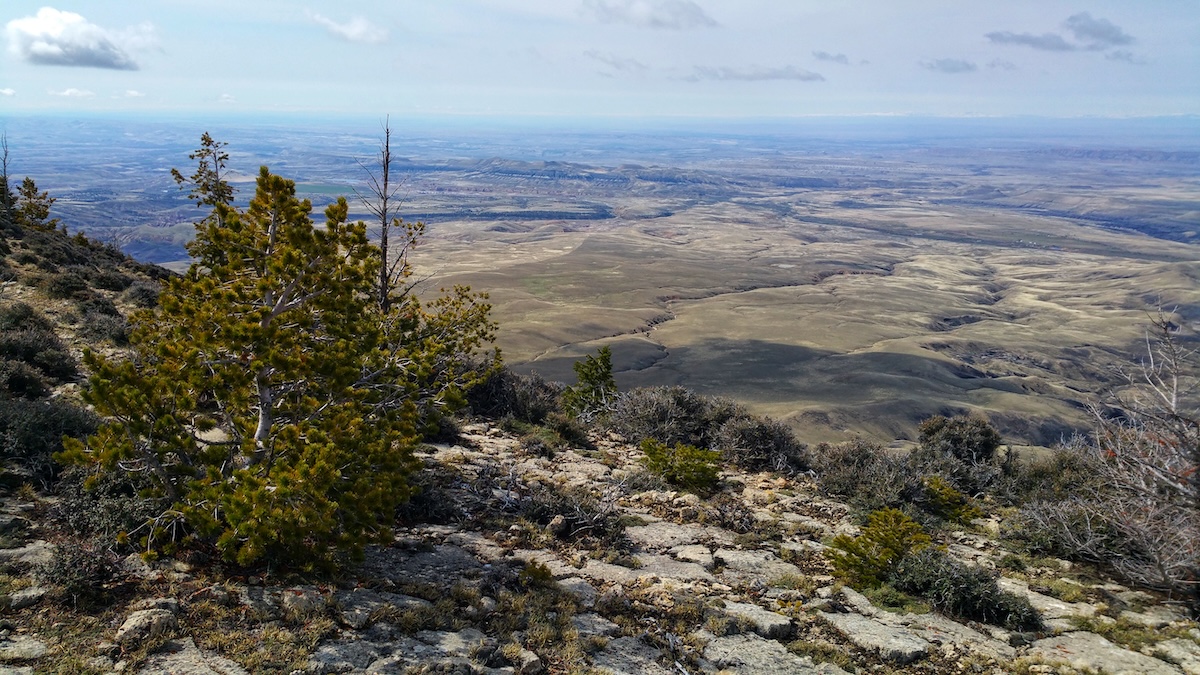
HuntStand’s Hybrid Map feature is an ideal starting location for scouting out the West.
Decoying Western Turkeys
Decoys play a huge role in luring toms across some of the vast basins, plains, and meadows found in the West. Having a full team of decoys at your disposal makes sense to match the mood of turkeys during a particular period of the spring breeding season. Yeoman agrees and has used decoys throughout his turkey hunting career.
“I love decoys and read each encounter to see if a decoy will benefit or even possibly hurt a particular hunting scenario,” Yeoman says. “In fact, I’m a huge proponent of fanning and have probably killed more gobblers simply by fanning over calling in recent years.”
Once again, Yeoman invites you to use your imagination. Observe the gobbler first and then match his actions move for move. If the gobbler comes at you in half strut, put your fan at half-mast. If he displays with his tail canted, reciprocate the move. Mimic his natural moves, even showing the back of the fan like a tom will do while spinning around during the strut. It’s a deadly tactic and works well in many open areas of the expansive West.
“I carry a fan with me everywhere tucked safely in my vest and safety is a high priority while fanning, especially in public areas. Use it cautiously and put it away if you feel the risk is too high of another hunter seeing the fan, and stalking you.”
Biggest Threats to the Wild Turkey
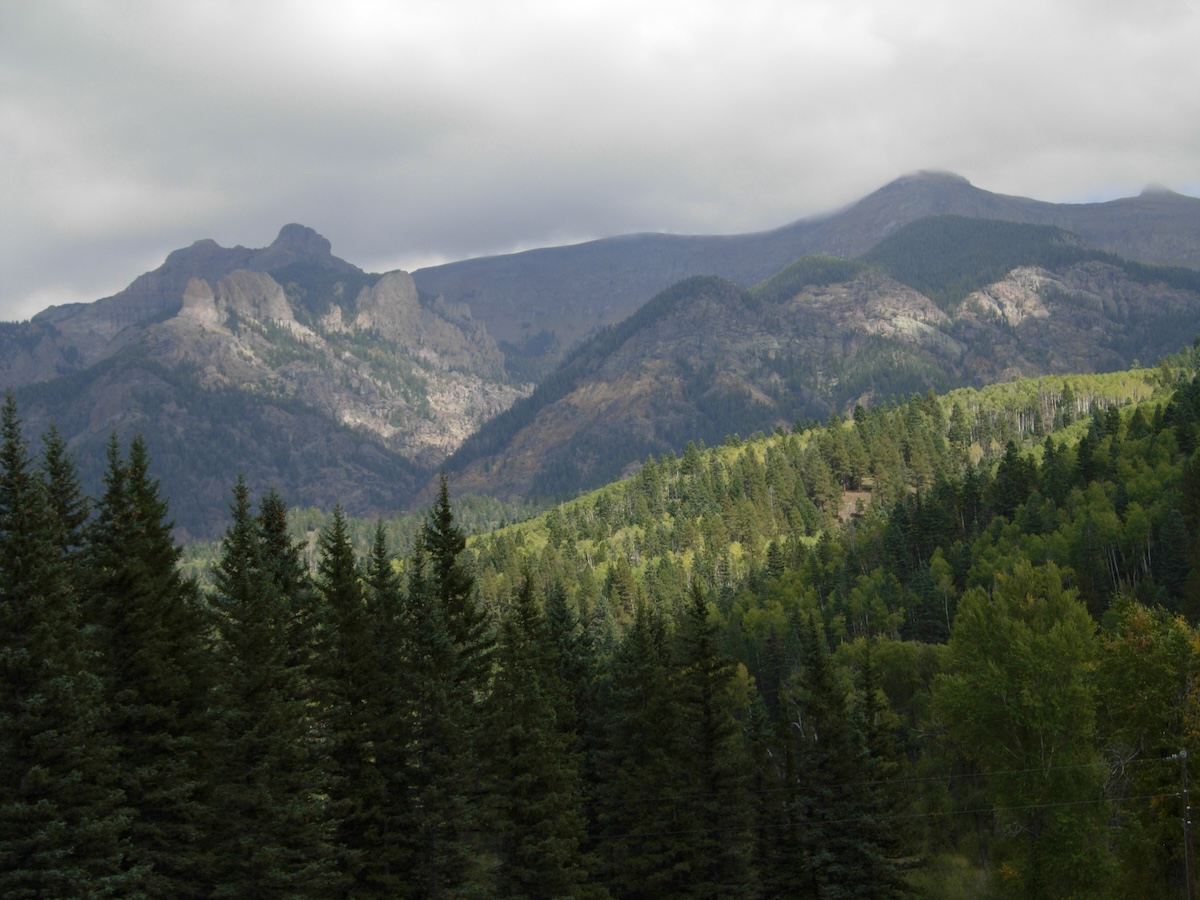
Use HuntStand to navigate challenging terrain.
Basic Tactics for Western Turkeys
Whether you wish to tag a certain subspecies or simply just be in turkeys as much as possible, Yeoman stresses you need to find turkey appealing habitat. Like whitetail deer, turkeys often prefer areas with edges. Edges that afford nearby security and nutrition rank highest. In Washington state, Yeoman oftentimes scouted for areas recently reclaimed after logging activities.
“Washington was a blast hunting and simply because of the way those logging companies reclaimed the ground, and planted clover,” he outlines. “Roads would be shut down in many of those areas, but you would walk up those roads calling and before you knew it, had a tom answering that was feeding in the new clover.”
Even in areas that have not been recently logged, Yeoman would still look for edges, shuttered roads, and timber sections that had been previously logged adjacent to unlogged timber.
“That’s when calling becomes so important, just to find out where they are. I would just use my crow call or occasional yelps to locate them, and then rely on my friction call. I always favor a friction call out West because of the loudness and realism. It teams together for success.”
Lastly, a basic rule he always follows is to match the camouflage to the terrain. The Western landscape varies from desert to high mountains and public-land turkeys spot anything out of place.

Find hotspots where turkeys love to hang out.
Advanced Tactics for Western Turkeys
In closing, Yeoman adds this last advice on how to score a Western gobbler early in the hunt. Locate him precisely the evening before.
“My tactic, when I howl one up after they fly into the roost is to try and pinpoint him exactly. I never just mark the mountainside he is gobbling from, but instead, sneak up in the evening and work my way up to that gobbling bird. I want to look where he is roosted and that usually means getting within 75 yards of him to examine the surrounding terrain.
Then I use my instinct to where he might pitch out the following morning based on my years of hunting experience. If he has several landing zones, I try to determine his possible travel route instead to set up a little farther away in the morning. Usually, I can spot open areas where he might land or benches he might follow after hitting the ground. That’s my advanced tactic, I pretty much know where he is going to go and I’ll be waiting for him the next morning.”
HuntStand App Layers and Tools for Backcountry Turkey Hunting
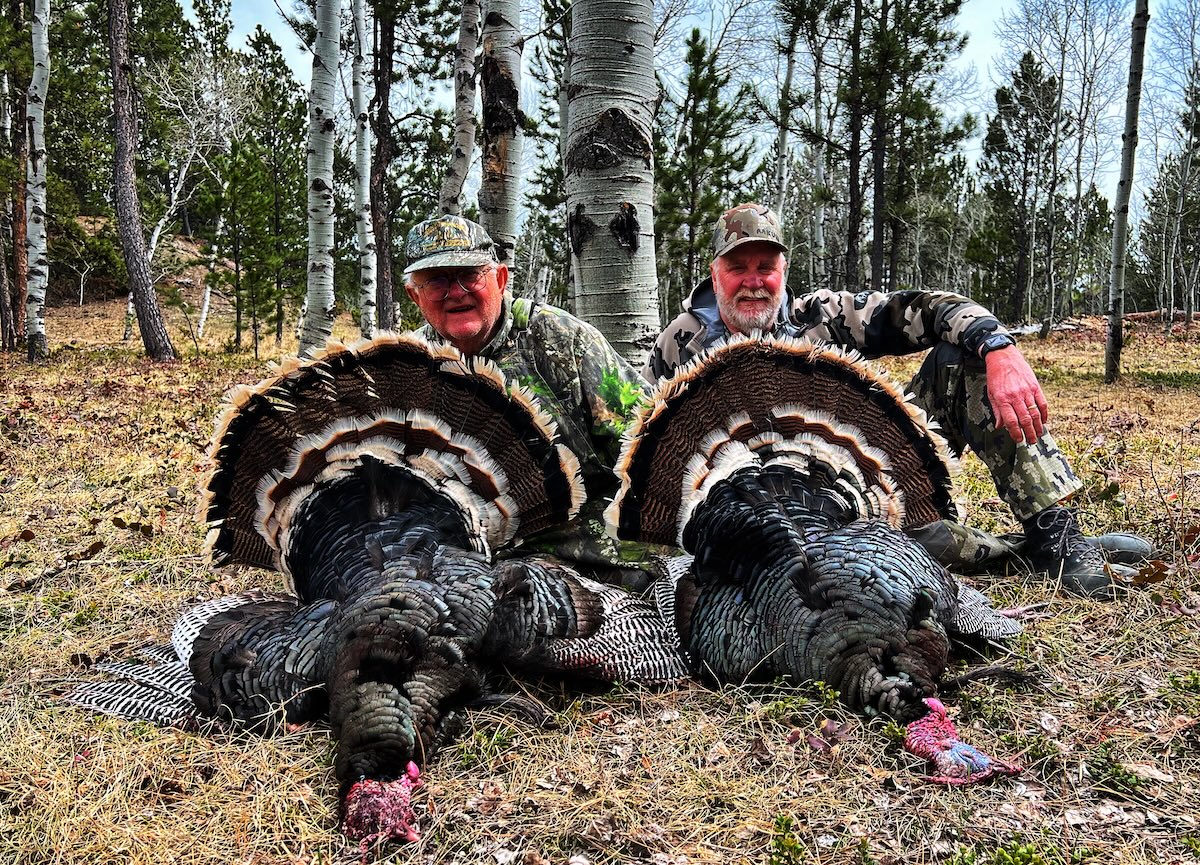
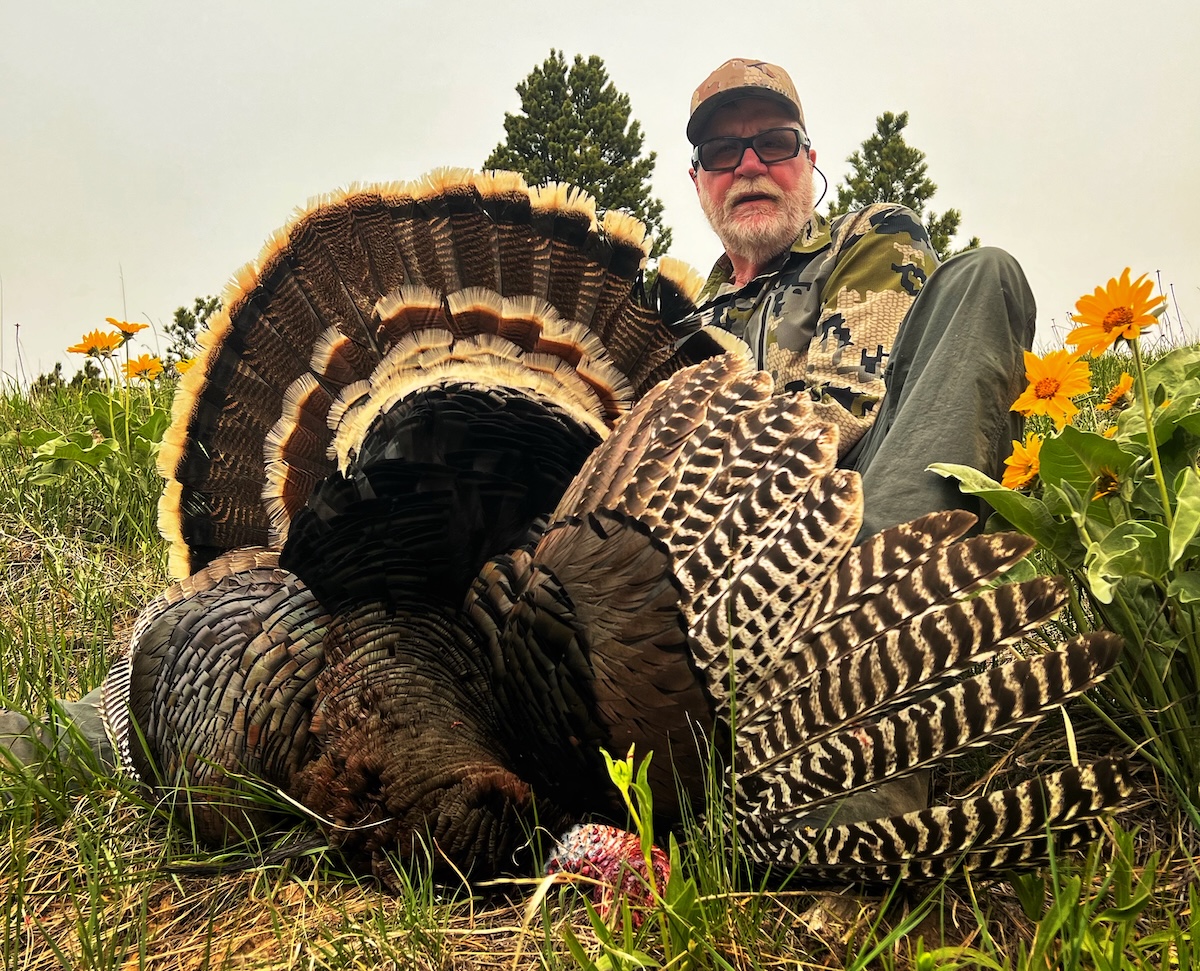
It's great when a plan comes together.
Turkey Hunting the West: Insider Info
Arizona: Look beyond Arizona’s trademark saguaro cactus and explore the vast mountain ranges in eastern and southern Arizona for turkey hunting opportunities. Arizona is home to Merriam’s and a handful of Rios, but for those looking to work on a slam, seek out the Gould’s subspecies in the southeast corner. Choose wisely with the opportunity for only one turkey per calendar year. Arizona Game and Fish Department
Oregon: Oregon turkey numbers continue be healthy, allowing hunters the opportunity to tag up to three birds, one per tag. Plus, Oregon hosts a strong legacy of Rio Grande turkeys with some hybrid birds found in the north-central section of the state. Oregon Department of Fish and Wildlife
California: Forget about Hollywood and focus on wild turkeys in California where hunters might take one bearded turkey per day with a total of three per season. The Rio Grande subspecies dominates the north half on the western slopes while Merriam’s thrive on the eastern slopes, plus the southern end of the state. California Department of Fish and Wildlife
Colorado: Forget spring skiing in Colorado and consider a mountain hunt for Merriam’s turkeys along the western slope. If the mountains scare you, the eastern plains hold a viable population of Rio Grande turkeys. Apply for a limited license or hunt turkeys on a general tag. Colorado Parks and Wildlife
Hawaii: Yes, you can take a break from surfing and hunt Rio Grande turkeys in Hawaii. Turkeys were released on all the islands, but have been doing the best in the drier climates of the big island of Hawaii, plus Molokai and Lanai. The daily and season limit is three bearded turkeys. Aloha. Hawaii Department of Land and Natural Resources
Idaho: Idaho has a hearty elk heritage, but that mountain atmosphere also aids Merriam’s productivity. Most of the turkey hunting is found in the northern panhandle of the state along the western border with a few flocks in the southeast corner. Research regulations for the chance at two birds. Idaho Fish and Game
Montana: Montana is Big Sky Country with big opportunities. Check the regulations, but you can take multiple turkeys in the state. Merriam’s are the primary game in town with the southeast, central river bottoms, mid-mountain ranges and areas along the western border supporting flocks. Despite Merriam’s predominance, the northwest does hold scattered flocks of Easterns, according to locals. Montana Fish Wildlife and Parks
Nevada: Nevada’s desert terrain limits turkey density, but scattered flocks of primarily Rio Grande wild turkeys inhabit the state. The good news is that most of the state is public land and wild turkeys stay close to the mountain ranges. Nevada Department of Wildlife
New Mexico: Like Arizona, New Mexico does sport desert, but the foothills, valleys, and mountain ranges grant hunters multiple turkey hunting opportunities. Merriam’s can be found across the state, but again, if a slam is in your future, consider the southwest for a Gould’s. Rio Grande turkeys also can be found in some eastern counties. New Mexico Game and Fish
Utah: Utah sports a wide habitat variance from desert to high mountains and because of that, is able to provide habitat for Merriam’s, Rio Grande, and hybrid wild turkeys. The central mountain portion of the state, running from north to south, houses many flocks with Merriam’s found in the east and hybrids in the southeast. You can tag one bird per season. Utah Division of Wildlife Resources
Washington: Not only does Washington offer the opportunity to take three turkeys total during their spring season, you could hunt three different subspecies. Merriam’s inhabit the northwest corner, Rio Grandes are found in the southeast corner and Easterns live in the southwest part of the state. Washington Department of Fish and Wildlife
Wyoming: Merriam’s populate the eastern half of Wyoming with the northeast Black Hills region being a turkey destination for decades. Do not overlook flocks in the Bighorn Mountains or the Snowy Range. Pine mountains from the Black Hills south also hold Merriam’s and possibly a hybrid. Wyoming Game and Fish Department
All things considered, the West is a great region for turkey hunting. If you’re up for a new challenge, hunt these expansive lands this turkey season. Or plant a trip for the future.